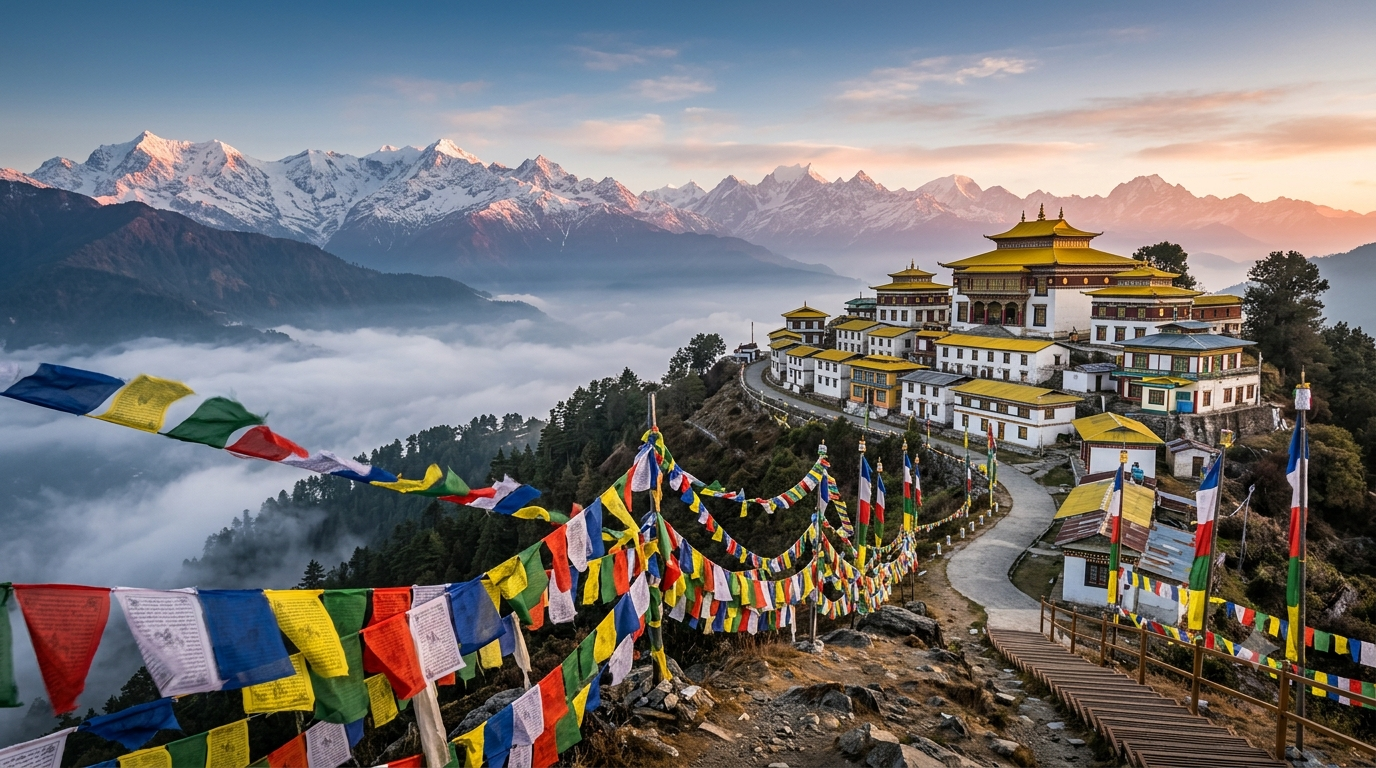
Tawang Hidden Trails: Exploring Arunachal Pradesh’s Untouched Himalayan Paradise
Introduction
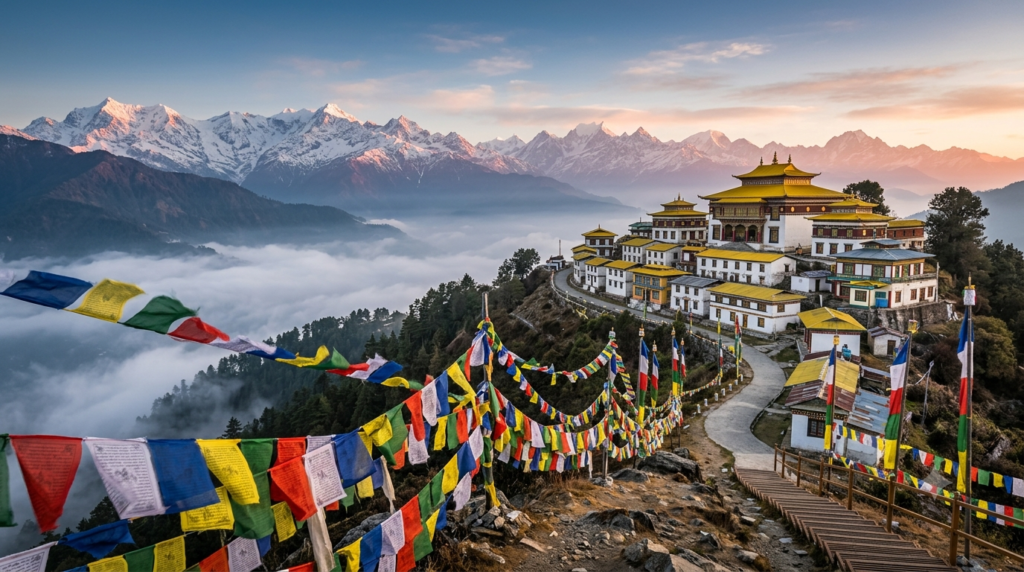
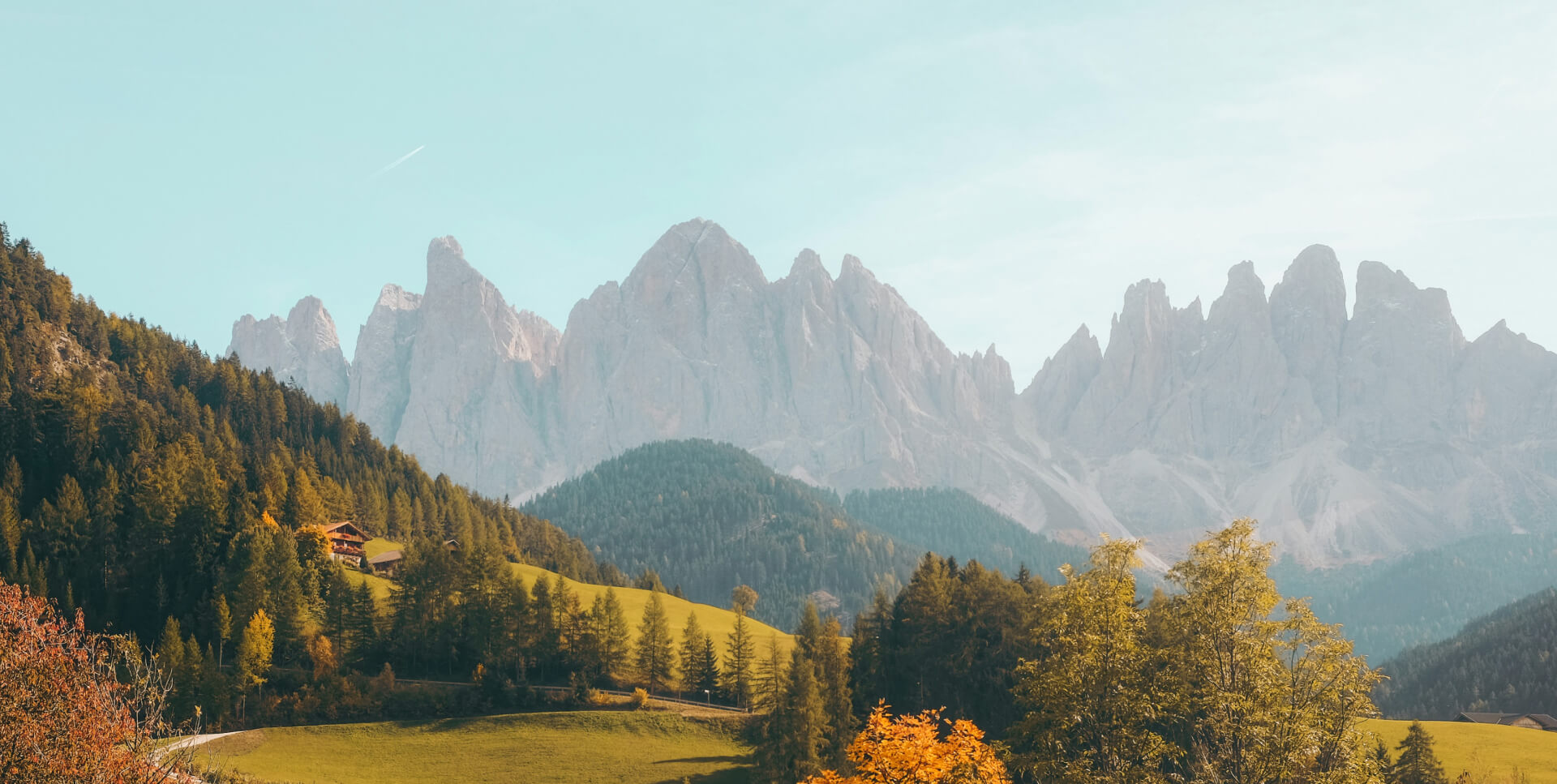
Tawang Hidden Trails take travelers deep into one of India’s most spectacular yet lesser-explored Himalayan destinations. Perched at over 3,000 meters above sea level in the eastern Himalayas of Arunachal Pradesh, Tawang is a land of ancient monasteries, dramatic mountain passes, crystal-clear alpine lakes, cascading waterfalls, and vibrant Buddhist culture.
While many travelers dream of visiting popular Himalayan destinations, Tawang offers something far more rewarding—an authentic journey through landscapes that remain peaceful, pristine, and largely untouched by mass tourism. Every winding mountain road reveals breathtaking panoramas, every monastery echoes centuries of spiritual tradition, and every hidden valley invites visitors to slow down and experience the Himalayas in their purest form.
Home to the magnificent Tawang Monastery, the largest monastery in India and one of the largest in the world, this remarkable region is also famous for the snow-covered Sela Pass, the historic Bum La Pass near the Indo-China border, the tranquil Madhuri Lake, and the stunning Nuranang Waterfall. Together, these attractions create an unforgettable blend of natural beauty, adventure, history, and cultural heritage.
Whether you’re planning an adventurous Himalayan road trip, seeking peaceful monasteries, searching for hidden photography locations, or looking to experience the unique traditions of the Monpa community, Tawang promises memories that will stay with you long after the journey ends.
This comprehensive guide covers everything you need to plan your visit, including hidden attractions, travel permits, best time to visit, suggested itineraries, road trip tips, and practical travel advice.
Why Tawang is One of India’s Best Offbeat Destinations
Unlike many crowded Himalayan tourist destinations, Tawang retains an atmosphere of serenity and authenticity. Its remote location, breathtaking mountain scenery, and deep-rooted Buddhist traditions make it one of India’s finest offbeat travel experiences.
Here, visitors don’t simply admire landscapes—they immerse themselves in a way of life shaped by high mountains, ancient monasteries, and centuries of cultural heritage.
A Hidden Himalayan Gem
Tawang lies close to the borders of Bhutan and Tibet, surrounded by dramatic mountain ranges and pristine valleys.
Its relatively remote location has helped preserve:
- Traditional Monpa culture
- Ancient Buddhist heritage
- Unspoiled mountain landscapes
- Crystal-clear lakes
- Peaceful monasteries
- Scenic mountain roads
This untouched beauty makes Tawang a dream destination for travelers seeking experiences beyond mainstream tourism.
Perfect for Slow Travel
Tawang is best experienced slowly.
Instead of rushing from one attraction to another, visitors are encouraged to:
- Spend time exploring monasteries.
- Enjoy scenic mountain drives.
- Watch sunrise over Himalayan peaks.
- Interact with local communities.
- Experience traditional Monpa hospitality.
- Appreciate the region’s peaceful atmosphere.
The journey itself becomes one of the highlights of visiting Tawang.
Why Travelers Fall in Love with Tawang
Tawang offers a rare combination of:
- Spectacular Himalayan scenery
- Rich Buddhist heritage
- Adventure-filled road trips
- High-altitude lakes
- Snow-covered mountain passes
- Warm local hospitality
Few destinations in India offer such a complete blend of culture, spirituality, and natural beauty.
The Fascinating History of Tawang
Tawang’s history is deeply connected with Tibetan Buddhism and the Monpa people, who have inhabited these mountains for centuries.
The region became an important center of Buddhist learning during the 17th century, when the famous Tawang Monastery was established under the guidance of the 5th Dalai Lama.
For generations, monks, scholars, and pilgrims traveled through these Himalayan routes, making Tawang one of the most significant Buddhist centers in the eastern Himalayas.
The region also played an important strategic role during the 1962 Indo-China War, and several memorials today honor the courage and sacrifices of Indian soldiers.
A Land of Spiritual Heritage
Buddhism influences almost every aspect of life in Tawang.
Visitors will notice:
- Prayer wheels
- Prayer flags
- Monasteries
- Chortens (Buddhist stupas)
- Traditional festivals
- Peaceful mountain villages
These elements create an atmosphere of tranquility unlike anywhere else in India.
The Legacy of the Monpa Community
The indigenous Monpa people are known for their rich traditions, warm hospitality, and vibrant culture.
Their heritage includes:
- Traditional wooden houses
- Handwoven textiles
- Colorful festivals
- Buddhist rituals
- Local cuisine
- Skilled handicrafts
Meeting local residents offers valuable insight into one of India’s most fascinating Himalayan cultures.
Tawang Monastery – The Spiritual Heart of Arunachal Pradesh
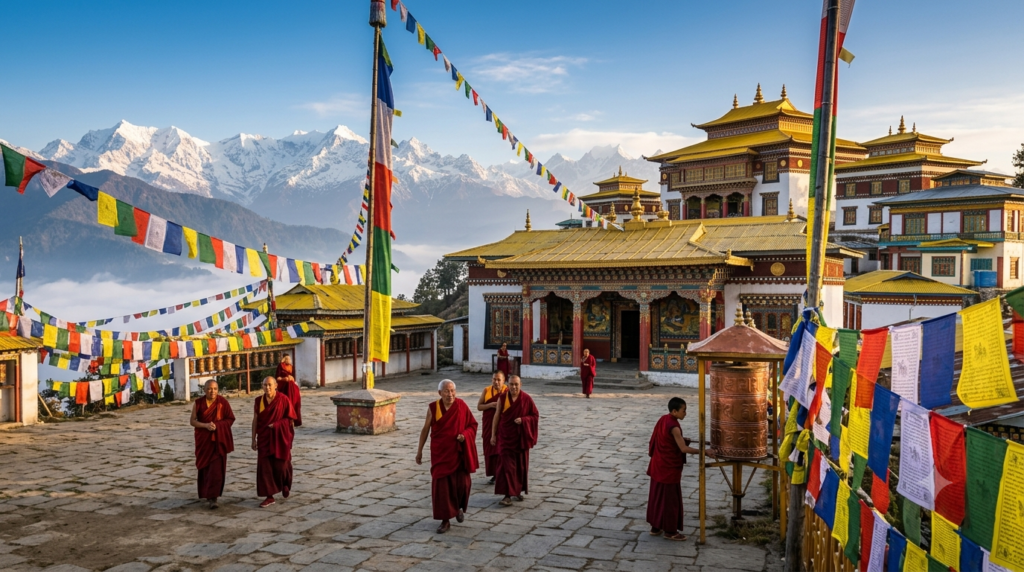
No visit to Tawang is complete without exploring the iconic Tawang Monastery, also known as Galden Namgey Lhatse.
Founded in 1680–1681, it is the largest monastery in India and the second-largest Buddhist monastery in the world, after the Potala Palace in Tibet.
Perched dramatically on a hilltop overlooking the Tawang Valley, the monastery serves as the spiritual, cultural, and educational center of the region.
Magnificent Architecture
The monastery complex features:
- Traditional Tibetan architecture
- Whitewashed walls
- Ornate wooden balconies
- Colorful prayer halls
- Beautiful courtyards
- Ancient scriptures
- Prayer wheels
- Golden rooftops
Its commanding location provides breathtaking panoramic views of the surrounding Himalayan mountains.
The Giant Buddha Statue
One of the monastery’s greatest attractions is its magnificent gilded statue of Lord Buddha, standing gracefully inside the main prayer hall.
Visitors are captivated by:
- Intricate artwork
- Sacred murals
- Ancient manuscripts
- Traditional Buddhist paintings
- Peaceful spiritual atmosphere
The monastery remains an active center of worship where monks continue centuries-old Buddhist traditions.
Festivals at Tawang Monastery
Throughout the year, the monastery hosts vibrant Buddhist festivals.
Among the most famous is the Torgya Festival, featuring:
- Masked Cham dances
- Traditional music
- Religious ceremonies
- Prayer rituals
- Cultural performances
Experiencing these festivals offers travelers a deeper understanding of Himalayan Buddhist culture.
Experiencing the Monpa Way of Life
One of the most rewarding aspects of exploring Tawang Hidden Trails is discovering the traditions of the Monpa people.
Beyond the famous attractions, visitors can experience authentic village life through:
- Local handicraft markets
- Traditional monasteries
- Mountain farming communities
- Homemade Himalayan cuisine
- Cultural festivals
- Warm conversations with local families
These experiences add a meaningful cultural dimension to every journey through Tawang.
Hidden Trails Around Tawang
While the iconic monastery is the heart of Tawang, the region’s true magic lies beyond the main town. Scenic mountain roads, hidden valleys, pristine lakes, and remote border villages create unforgettable experiences for travelers willing to explore further.
These hidden trails showcase the untouched beauty of Arunachal Pradesh and make Tawang one of India’s most rewarding offbeat destinations.
Sela Pass – Gateway to Tawang
At an altitude of approximately 4,170 meters (13,700 feet), Sela Pass is one of India’s most spectacular high-altitude mountain passes.
Surrounded by snow-covered peaks for much of the year, the pass offers breathtaking panoramic views and serves as the primary gateway to Tawang.
Highlights include:
- Snow-covered mountain landscapes
- Crystal-clear Sela Lake
- Colorful Buddhist prayer flags
- Spectacular sunrise photography
- Winter snowfall experiences
The winding road through Sela Pass is considered one of the most scenic drives in Northeast India.
Sela Lake
Located beside the pass, Sela Lake remains partially frozen during winter and reflects the surrounding Himalayan peaks in warmer months.
It is one of the most photographed locations on the journey to Tawang.
Bum La Pass – Journey to India’s Eastern Frontier
One of the most extraordinary experiences near Tawang is visiting Bum La Pass, located close to the India–China border at an elevation of over 4,600 meters (15,100 feet).
This historic mountain pass once formed part of ancient trade routes connecting India and Tibet and today stands as a symbol of strategic importance and national pride.
Because of its sensitive location, visitors must obtain special permits in addition to the Inner Line Permit before traveling to Bum La Pass.
A High-Altitude Adventure
The drive to Bum La Pass is an adventure in itself.
Travelers pass through:
- Rugged mountain terrain
- Frozen streams
- Snowfields (seasonal)
- Military checkpoints
- Remote Himalayan landscapes
On clear days, the panoramic views are truly unforgettable.
Indo-China Border Experience
Visitors can observe the designated border area and learn about the historical significance of the region, including events related to the 1962 Indo-China War.
The presence of the Indian Army adds a unique perspective to the journey while reminding travelers of the region’s strategic importance.
Madhuri Lake – A Himalayan Jewel
Originally known as Sangestar Lake, this beautiful high-altitude lake became widely known as Madhuri Lake after appearing in the Bollywood film Koyla, starring Madhuri Dixit.
Surrounded by dramatic mountains and partially submerged tree trunks, the lake creates a surreal landscape unlike any other in India.
A Landscape Shaped by Nature
The lake was formed after an earthquake altered the natural landscape, creating a tranquil body of water amidst the mountains.
Today it is admired for:
- Crystal-clear waters
- Reflection photography
- Snow-covered surroundings during winter
- Peaceful atmosphere
- Unique dead tree formations
The scenery changes beautifully with every season.
Wildlife Around the Lake
The surrounding region is home to various Himalayan bird species and alpine vegetation, making Madhuri Lake a rewarding destination for nature lovers and photographers.
Nuranang Waterfall – One of Arunachal Pradesh’s Most Beautiful Cascades
Located near the village of Jang, approximately 40 km from Tawang, Nuranang Waterfall is one of the most spectacular waterfalls in Northeast India.
Also known as Jang Falls, it plunges nearly 100 meters (328 feet) into a rocky gorge, creating a mesmerizing display of mist and roaring water.
A Photographer’s Paradise
Visitors can capture:
- Towering waterfall views
- Rainbows in the mist
- Dense Himalayan forests
- Rocky river landscapes
- Long-exposure photography
The waterfall is particularly impressive after the monsoon season.
Local Legends
The waterfall is believed to have been named after Nura, a local Monpa girl associated with stories from the 1962 Indo-China War.
These local legends add cultural depth to the natural beauty of the destination.
Gorichen Viewpoints
Towering at over 6,800 meters, Gorichen Peak is one of the highest mountains in Arunachal Pradesh.
Although climbing the mountain requires specialized expeditions and permits, travelers can enjoy magnificent views from several scenic viewpoints around Tawang.
On clear mornings, the snow-covered peak dominates the Himalayan skyline, creating unforgettable photography opportunities.
Best Time to Visit Tawang Hidden Trails
The best season depends on the experience you seek, from blooming valleys to snow-covered mountain passes.
Spring (March – May)
Spring is one of the most pleasant seasons to explore Tawang.
Expect:
- Comfortable temperatures
- Blooming rhododendrons
- Clear mountain views
- Ideal road conditions
Perfect for sightseeing and photography.
Autumn (September – November)
Autumn offers crystal-clear skies and breathtaking Himalayan panoramas.
Advantages include:
- Excellent visibility
- Pleasant weather
- Vibrant landscapes
- Fewer travel disruptions
Many photographers consider this the best season.
Winter (December – February)
Winter transforms Tawang into a snowy Himalayan wonderland.
Visitors may experience:
- Snow-covered monasteries
- Frozen lakes
- White mountain passes
- Magical winter scenery
Travelers should be prepared for extremely cold temperatures and possible road closures due to snowfall.
Monsoon (June – August)
Heavy rainfall can occasionally affect road conditions.
Although the valleys become lush and green, landslides may cause travel delays.
Those planning a monsoon visit should monitor weather forecasts closely.
Best Season Overall
For most travelers, March to May and September to November provide the ideal combination of pleasant weather, safe road conditions, and spectacular mountain scenery.
How to Reach Tawang
Despite its remote Himalayan location, Tawang is well connected through a combination of air, rail, and scenic road journeys.
By Air
Nearest airports:
- Tezpur Airport (limited connectivity)
- Lokpriya Gopinath Bordoloi International Airport, Guwahati (best option)
From either airport, travelers continue by road via Bhalukpong and Bomdila.
By Train
Nearest railway stations:
- Guwahati
- Rangapara
- Tezpur (limited services)
From the railway station, taxis and shared vehicles are available for onward travel.
By Road
The road journey to Tawang is considered one of India’s most scenic drives.
Popular route:
Guwahati → Bhalukpong → Dirang → Sela Pass → Tawang
The drive offers breathtaking mountain scenery throughout the journey.
Suggested 5-Day Tawang Itinerary
Day 1
- Arrive at Guwahati or Tezpur
- Drive to Dirang
- Overnight stay
Day 2
- Cross the magnificent Sela Pass
- Visit Sela Lake
- Reach Tawang
- Evening at Tawang Monastery
Day 3
- Explore Tawang Monastery
- Giant Buddha Statue
- Local markets
- War Memorial
- Cultural experiences
Day 4
- Bum La Pass
- Madhuri Lake
- High-altitude viewpoints
Day 5
- Visit Nuranang Waterfall
- Scenic mountain drive
- Return toward Guwahati
Visitor Tips
Make your Himalayan journey comfortable and memorable by following these practical suggestions:
- Carry your Inner Line Permit (ILP) at all times.
- Obtain additional permits for Bum La Pass before departure.
- Acclimatize properly to the high altitude.
- Drink plenty of water.
- Carry warm clothing, even during summer.
- Start sightseeing early to avoid afternoon mountain weather changes.
- Keep cash available, as digital payment connectivity may be limited in remote areas.
- Respect local customs, monasteries, and photography guidelines.
- Avoid littering and help preserve Tawang’s pristine environment.
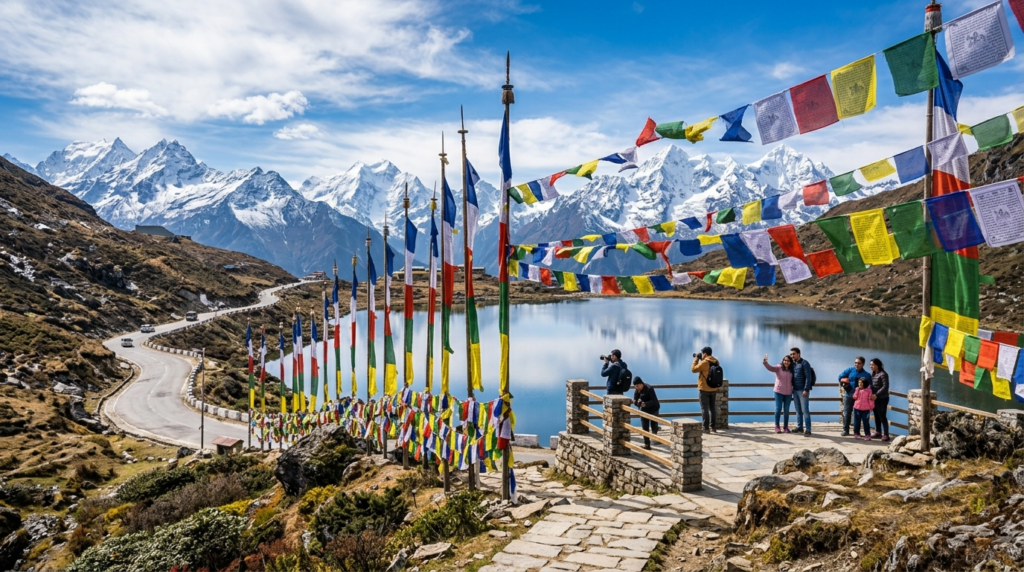
Responsible Tourism in Tawang
The pristine landscapes of Tawang are among the most fragile ecosystems in the Eastern Himalayas. Every traveler has a responsibility to preserve its natural beauty, rich biodiversity, and unique cultural heritage for future generations.
Practicing responsible tourism ensures that Tawang remains one of India’s most spectacular offbeat destinations.
Respect Monasteries and Sacred Sites
Tawang is deeply rooted in Tibetan Buddhist traditions.
While visiting monasteries:
- Dress modestly.
- Maintain silence inside prayer halls.
- Follow photography guidelines.
- Do not disturb monks during prayers.
- Walk respectfully around prayer wheels and stupas.
These sacred places are active centers of worship, not merely tourist attractions.
Protect the Himalayan Environment
The high-altitude ecosystem around Tawang is extremely delicate.
Help preserve it by:
- Carrying reusable water bottles.
- Avoiding single-use plastics.
- Taking all waste back with you.
- Staying on designated trails.
- Avoiding damage to alpine vegetation.
Even small actions make a significant difference in preserving these fragile mountain landscapes.
Support Local Communities
Traveling responsibly also means contributing to the local economy.
Consider:
- Staying in locally owned homestays.
- Purchasing authentic Monpa handicrafts.
- Hiring certified local guides.
- Eating at local restaurants.
- Respecting local customs and traditions.
Your support helps sustain traditional livelihoods while promoting responsible tourism.
Travel Safely at High Altitude
Many attractions around Tawang lie above 4,000 meters.
To reduce the risk of altitude sickness:
- Acclimatize gradually.
- Stay hydrated.
- Avoid excessive physical activity immediately after arrival.
- Carry prescribed medications if recommended by your doctor.
- Inform your guide if you feel unwell.
Safety should always take priority during high-altitude travel.
Packing Checklist
Weather conditions in Tawang can change rapidly, making smart packing essential.
Clothing
✔ Thermal innerwear
✔ Down jacket
✔ Waterproof jacket
✔ Fleece layers
✔ Warm gloves
✔ Woolen cap
✔ Thick socks
✔ Comfortable trekking shoes
Travel Essentials
✔ Inner Line Permit (ILP)
✔ Government-issued ID
✔ Printed hotel confirmations
✔ Power bank
✔ Mobile charger
✔ Sunglasses
✔ Sunscreen
✔ Lip balm
✔ Reusable water bottle
Photography Gear
✔ DSLR or Mirrorless Camera
✔ Wide-angle lens
✔ Telephoto lens
✔ Tripod (where permitted)
✔ Extra batteries
✔ Memory cards
✔ Lens cleaning kit
Health & Safety
✔ Personal medicines
✔ First-aid kit
✔ Altitude sickness medication (consult your physician)
✔ Energy snacks
✔ Hand sanitizer
✔ Rain cover for backpack
Frequently Asked Questions (FAQs)
Do I need an Inner Line Permit (ILP) to visit Tawang?
Yes.
Indian citizens require an Inner Line Permit (ILP) to enter Arunachal Pradesh.
Foreign nationals require a Protected Area Permit (PAP).
Always verify the latest permit regulations before planning your trip.
Is Bum La Pass open throughout the year?
Not always.
Access depends on:
- Weather conditions
- Snowfall
- Road conditions
- Military regulations
Visitors should confirm accessibility locally before departure.
How many days should I spend in Tawang?
A 4–6 day itinerary is ideal.
This allows enough time to:
- Explore Tawang Monastery
- Visit Sela Pass
- Visit Bum La Pass
- Explore Madhuri Lake
- Visit Nuranang Waterfall
- Experience local culture
Is Tawang suitable for family travel?
Yes.
Families who enjoy mountain destinations, cultural experiences, and scenic road trips will find Tawang highly rewarding.
However, travelers with elderly family members or young children should plan carefully due to the high altitude.
What is the best season to visit?
The most comfortable seasons are:
- March to May
- September to November
Winter offers spectacular snowfall but may affect road accessibility.
Is mobile connectivity available?
Connectivity is available in Tawang town but may be limited or unavailable near remote attractions such as Bum La Pass and certain mountain routes.
It is advisable to download maps and keep important travel information available offline.
Conclusion
Tawang Hidden Trails reveal a side of the Himalayas that remains peaceful, authentic, and wonderfully untouched. From the spiritual grandeur of the Tawang Monastery to the snow-covered landscapes of Sela Pass, the historic frontier at Bum La Pass, the tranquil beauty of Madhuri Lake, and the powerful cascade of Nuranang Waterfall, every destination offers a unique story waiting to be discovered.
More than a sightseeing destination, Tawang is an experience of breathtaking mountain scenery, centuries-old Buddhist traditions, warm Monpa hospitality, and unforgettable road journeys through one of India’s most spectacular frontier regions.
Whether you’re a photographer chasing Himalayan sunrises, an adventurer seeking scenic mountain passes, or a traveler looking for meaningful cultural experiences, Tawang rewards every visitor with memories that last a lifetime.
If you’re searching for an offbeat destination that combines natural beauty, spirituality, history, and adventure, Tawang Hidden Trails deserve a place at the top of your travel bucket list.
🌍 Explore More
“The most unforgettable journeys are often found beyond the crowded roads. Wander through hidden trails, embrace new cultures, and let every mountain lead you to a new perspective.”
🌍 Explore More: BlueJay Explorations
📖 Read more travel stories: TravelAnecdotes.com
📸 Follow the journey on Instagram
👍 Follow us on Facebook
🎥 Watch cinematic travel stories on YouTube