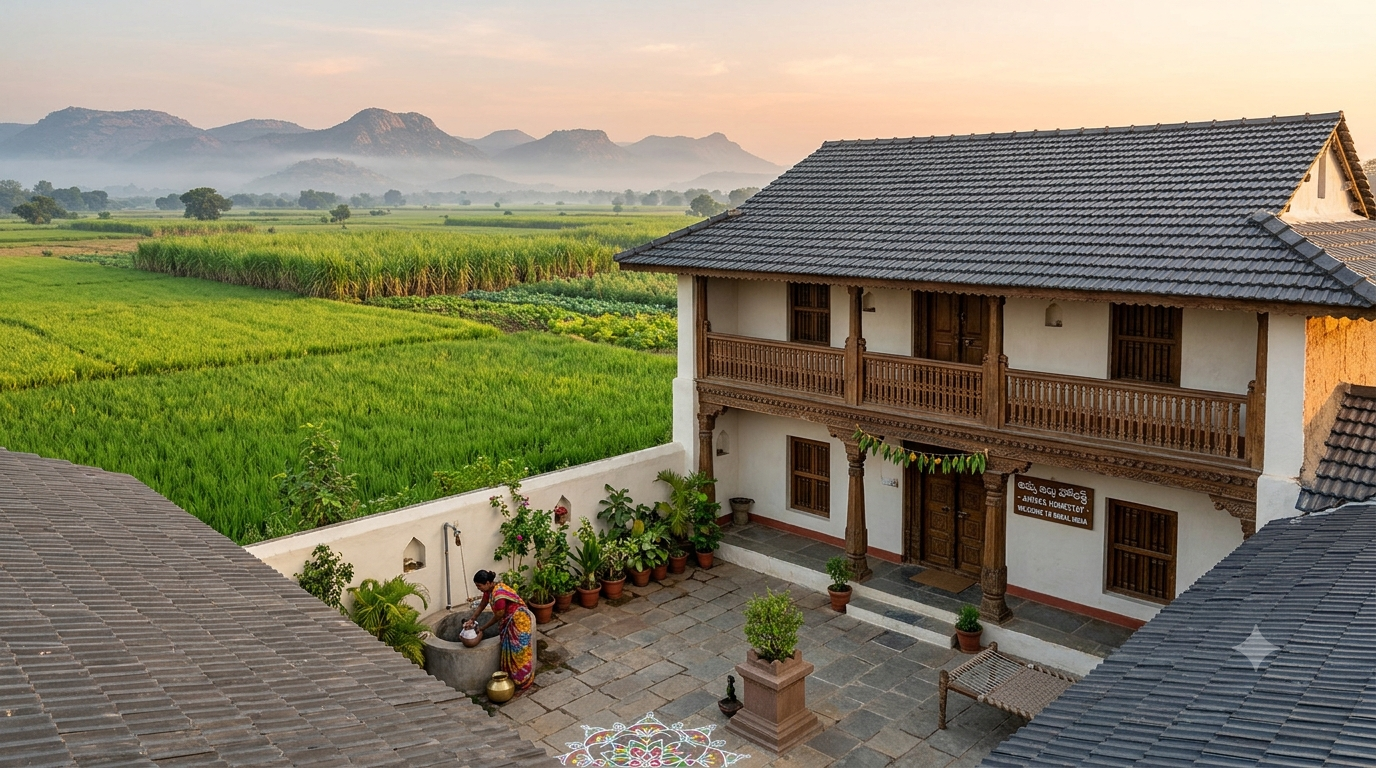
Village Homestays in India: Experience Local Life Beyond Hotels
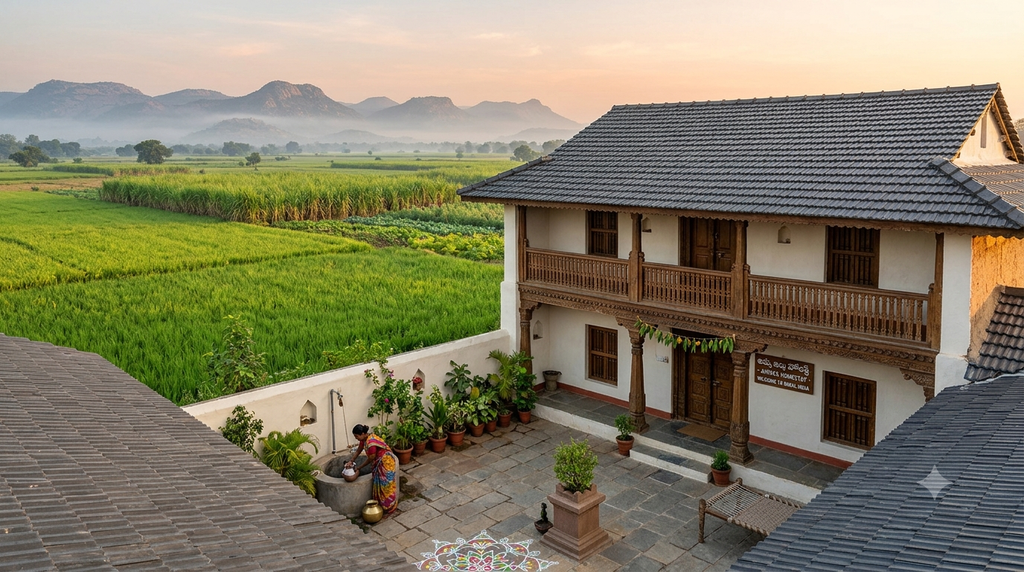
India is a country best understood not only through its famous monuments, bustling cities and popular tourist destinations, but also through the everyday lives of the people who call its villages home. Beyond luxury resorts and conventional hotels, a different kind of travel experience awaits—one filled with traditional meals, peaceful mornings, village walks, local stories and genuine human connections.
Village homestays in India offer travellers an opportunity to experience destinations from a more personal perspective. Instead of simply visiting a place, you can wake up to birdsong in a Himalayan village, share a home-cooked meal with a local family, learn about traditional farming or discover how regional customs continue to shape everyday life.
These stays are about more than accommodation. They invite you to slow down, appreciate local culture and discover the extraordinary beauty of ordinary moments.
Whether you dream of mountain villages, desert settlements, tropical countryside or remote communities in Northeast India, village homestays can make your journey more meaningful.
Why Choose Village Homestays in India?
Travelling through India often involves exploring celebrated attractions, photographing scenic landscapes and sampling regional food. Yet some of the most memorable experiences happen away from the usual tourist trail.
A village homestay offers a closer look at the people, traditions and environments that give a destination its identity.
More Than Just a Place to Sleep
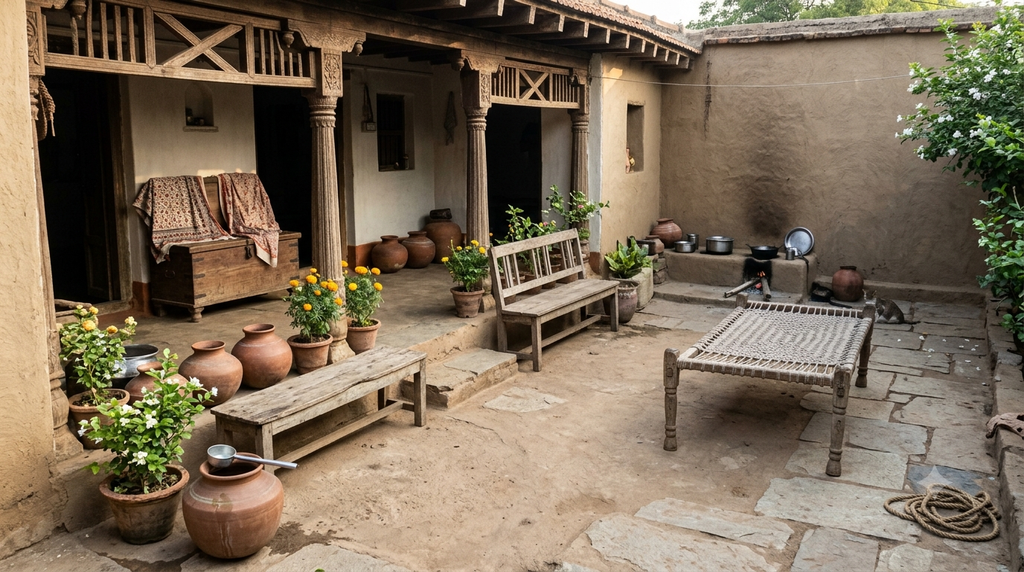
Hotels are often designed around convenience and standardised services. Village homestays, by contrast, can provide a more personal introduction to the local way of life.
Depending on the property, you might stay in a traditional family home, a restored heritage house, a countryside cottage or a locally managed rural guesthouse. Some offer modern comforts, while others are intentionally simple.
The experience varies from one region to another, but the opportunity to connect with the destination beyond its attractions is what makes these stays special.
Imagine beginning your morning with tea in a quiet courtyard, watching village life unfold and enjoying a breakfast prepared with locally sourced ingredients. There may be no packed sightseeing schedule—just the freedom to observe, ask questions and enjoy the surroundings.
Meet the People Behind the Destination
Every place has stories that guidebooks cannot fully capture.
A local host might explain how a family recipe has been passed down through generations, why a festival is important to the community or how the changing seasons influence farming and daily routines.
These conversations can transform a simple holiday into a cultural learning experience.
The key is to approach these interactions with curiosity and respect. Village residents are hosts and individuals with their own lives, not attractions for visitors. Genuine connections develop naturally when travellers listen, participate appropriately and respect personal boundaries.
Discover Everyday Traditions
Traditional crafts, regional cooking, farming practices, local architecture and community celebrations are all potential parts of a village stay.
Depending on the destination and what hosts offer, travellers may be able to learn how a local dish is prepared, visit a small farm, observe a traditional craft or take a guided walk through nearby fields.
These activities help travellers appreciate the knowledge and skills that sustain rural communities.
What Makes an Indian Village Homestay Special?
No two village stays are exactly alike. India’s geography and cultural diversity mean that a homestay in the Himalayas can feel entirely different from one in Rajasthan, Kerala or the Northeast.
However, several experiences often make rural accommodation memorable.
Homemade Regional Food
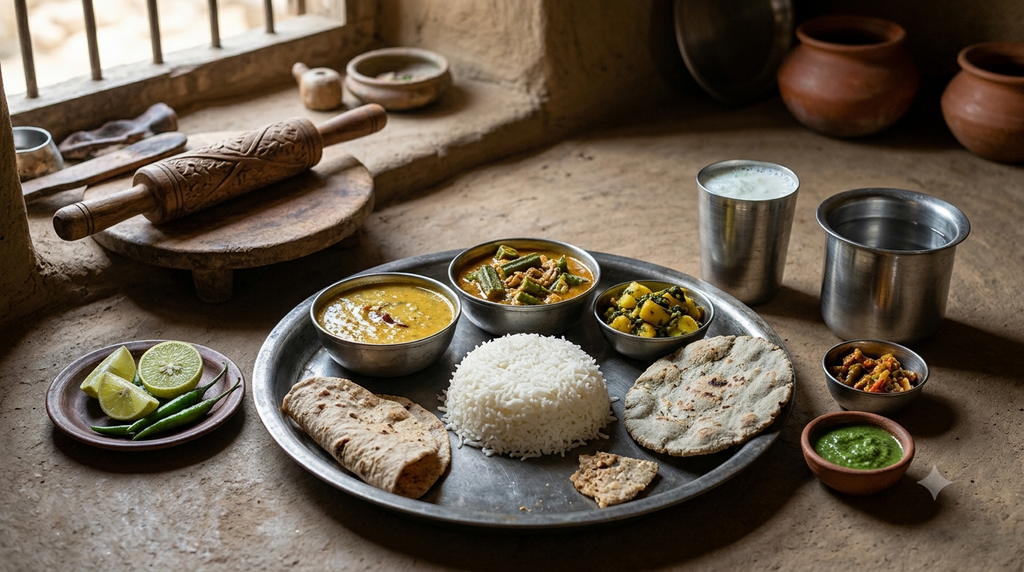
Food is one of the most enjoyable ways to understand a region.
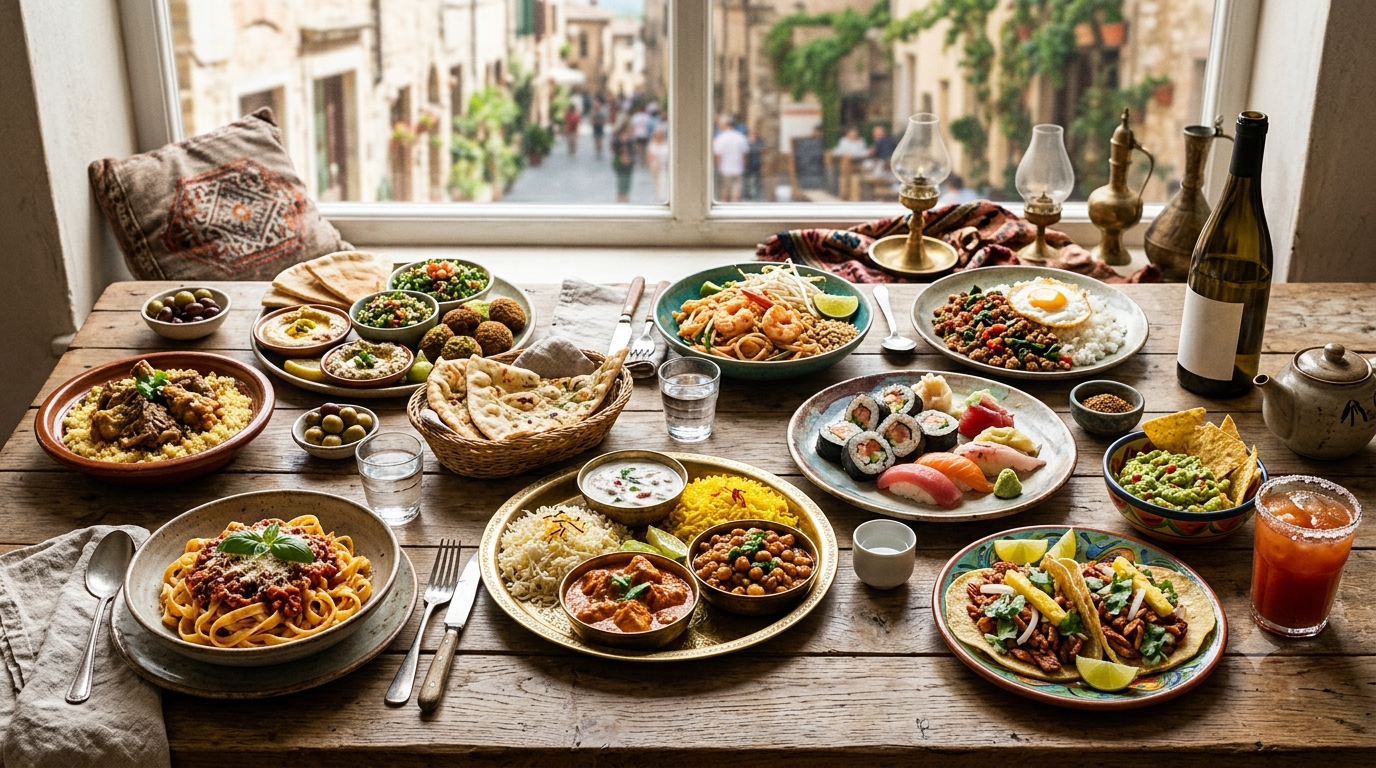
A village homestay may introduce you to dishes rarely found on standard tourist menus. Meals could include freshly prepared rotis, seasonal vegetables, rice-based dishes, lentils, regional chutneys, locally grown produce or traditional sweets.
In a mountain village, the menu may reflect the local climate and agricultural produce. In Kerala, meals may feature coconut, rice and regional spices. In Rajasthan, traditional dishes often reflect the area’s dry climate and culinary heritage.
Rather than treating food as just another part of the itinerary, take time to learn about its ingredients, preparation and cultural significance.
If you have allergies or dietary restrictions, communicate them before booking and confirm whether the host can accommodate them.
Local Festivals and Customs
Village life is often closely connected to seasonal celebrations, religious observances, harvest periods and community gatherings.
If your visit coincides with a local festival, you may have an opportunity to understand its significance through the people who celebrate it. However, events and participation vary, and travellers should never assume that private ceremonies or religious spaces are open to visitors.
Ask your host about appropriate behaviour, clothing, photography and whether visitors are welcome.
Respectful participation creates a richer experience than simply watching from the sidelines.
Nature, Silence and a Slower Pace
For many travellers, the greatest luxury of a village homestay is the opportunity to slow down.
Instead of traffic, crowded attractions and tightly packed schedules, you might find yourself surrounded by mountain views, farmland, rivers, forests or open countryside.
A walk along a village path, a quiet afternoon on a veranda or a conversation over evening tea can become the highlight of the trip.
This slower style of travel also creates room for spontaneous discoveries. You may learn about a nearby viewpoint, a seasonal food tradition or a local walking route simply by speaking with your host.
Best Regions to Experience Village Homestays in India
India offers a wide range of rural settings, each with distinctive landscapes, architecture, food and traditions. The right destination depends on the kind of experience you want.
1. Himalayan Villages in Himachal Pradesh and Uttarakhand
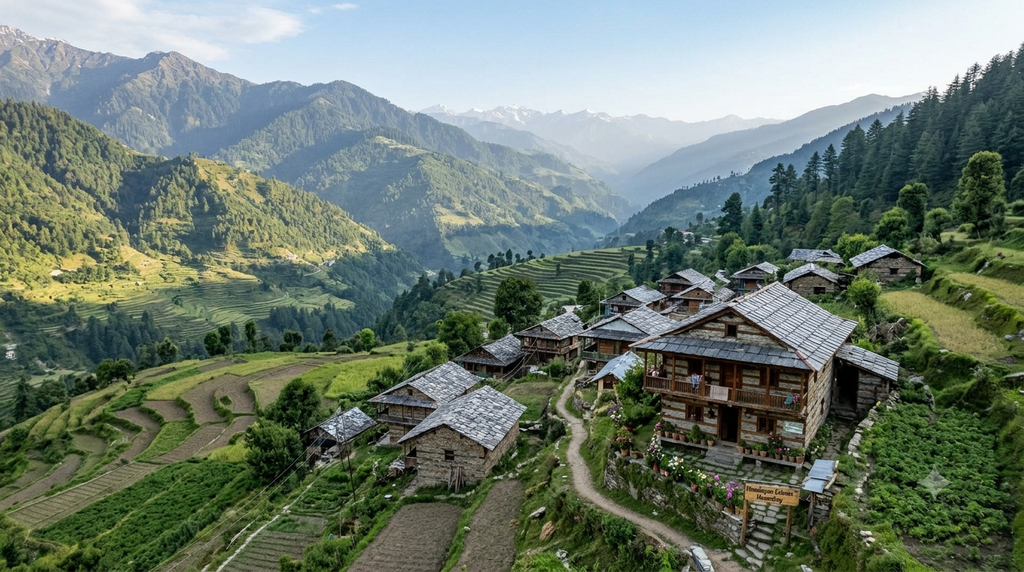
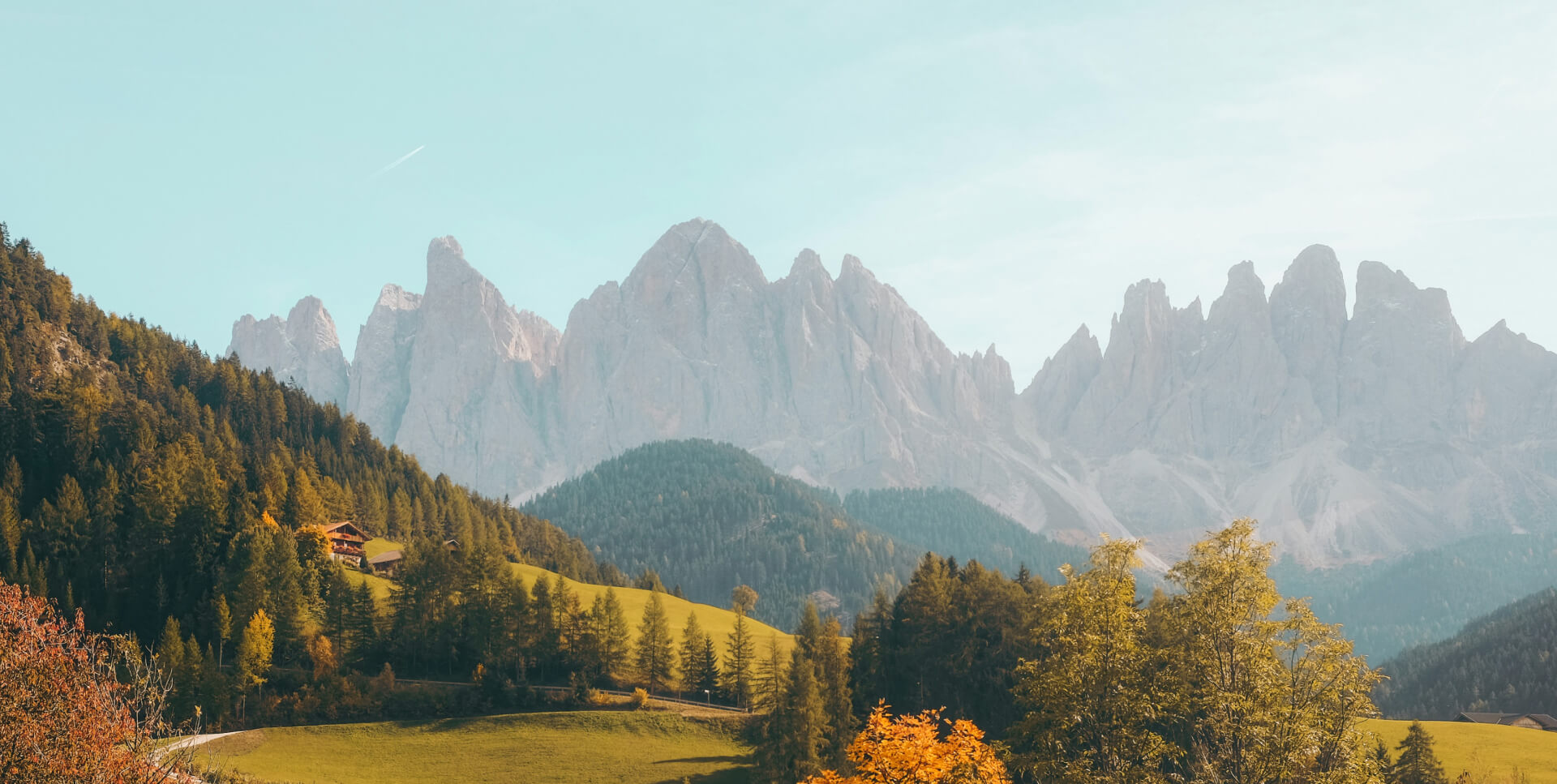
The Himalayan regions of Himachal Pradesh and Uttarakhand are appealing choices for travellers who enjoy mountain scenery, village walks and a quieter pace.
In places around Tirthan Valley and other rural mountain communities, travellers may find homestays surrounded by forests, terraced fields, streams and traditional settlements.
A stay here can include peaceful mornings, local meals, short hikes and conversations about life in the mountains. Depending on the location, hosts may also help arrange guided walks or introductions to local crafts and agricultural practices.
Mountain weather can change quickly, and some roads become difficult during adverse conditions. Check access, transport arrangements, heating, hot-water availability and seasonal conditions before confirming your stay.
For more inspiration, explore our guide to Tirthan Valley’s Himalayan wilderness.
2. Sikkim and Northeast India
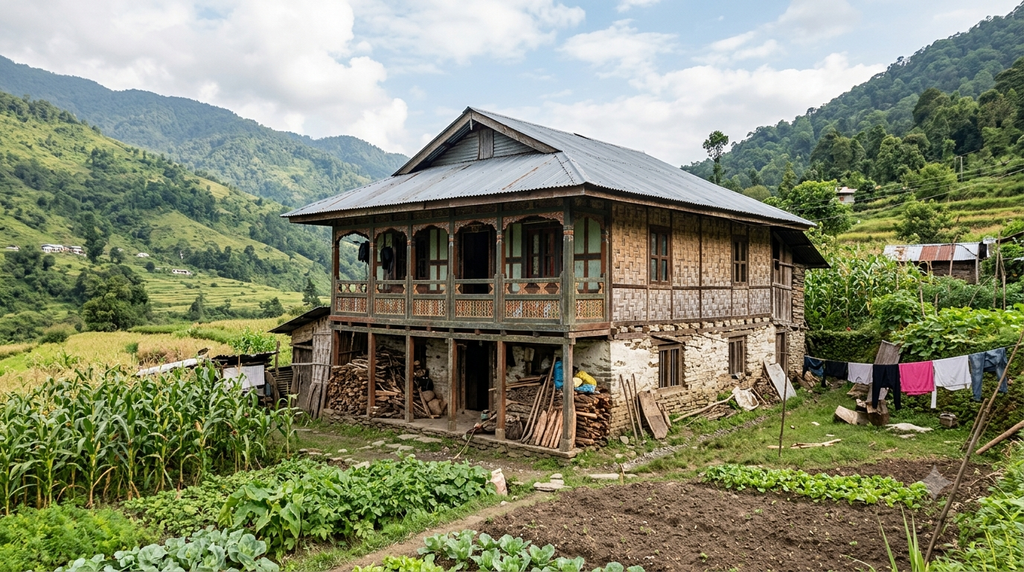
Northeast India offers remarkable opportunities to discover village life amid mountains, forests and diverse cultural traditions.
In Sikkim, village stays can provide an introduction to local food, traditional architecture, farming and mountain landscapes. Depending on the community, travellers may also learn about local customs and regional celebrations.
Meghalaya, Nagaland, Arunachal Pradesh and other northeastern states offer different rural experiences shaped by their distinct communities and environments.
For example, a trip to a village in Meghalaya might combine countryside walks with an exploration of local architecture and surrounding landscapes. In Nagaland, a community-based experience may offer insights into local crafts and cultural heritage when visitors are welcomed by their hosts.
The Northeast is culturally diverse, so avoid treating the region as a single destination with one shared tradition. Learn about the specific community you are visiting, ask permission before taking photographs and follow local guidance about customary practices.
3. Rajasthan’s Desert Villages
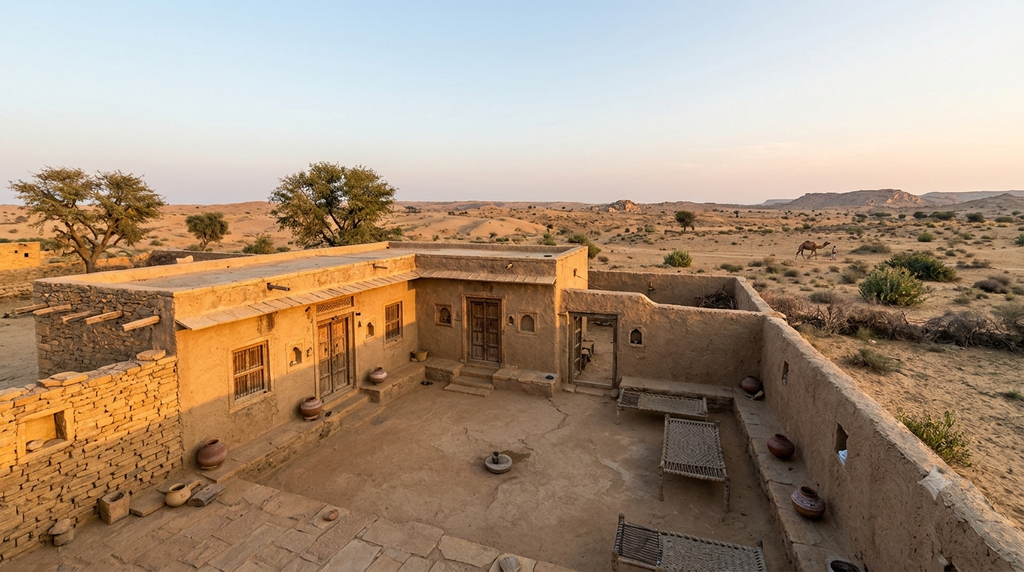
Rajasthan’s rural settlements offer a different atmosphere, shaped by arid landscapes, traditional architecture, crafts and regional cuisine.
A village stay may introduce travellers to mud-plastered homes, courtyards, locally made textiles, traditional cooking and the ways communities adapt to the desert environment.
Depending on the location and host, experiences might include a guided village walk, a visit to local artisans or an introduction to regional food traditions.
The desert landscape can be especially striking during the early morning and evening, when the light softens and outdoor temperatures become more comfortable.
When choosing a homestay, look for one that clearly explains its facilities, water-use practices and the activities included in the stay. Genuine cultural experiences should benefit local residents rather than reduce village life to a staged performance.
4. Kerala’s Countryside
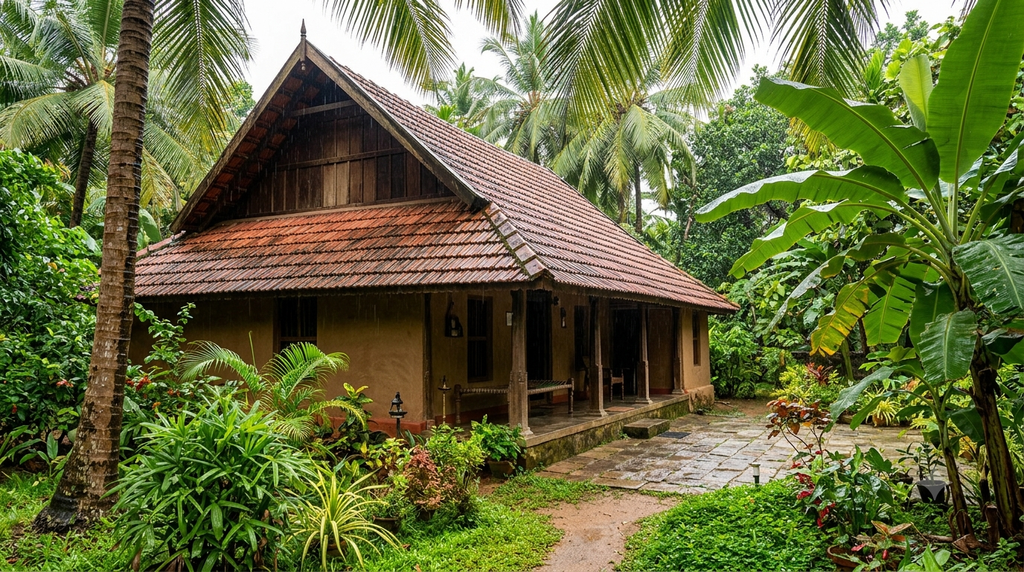
Kerala’s rural landscapes provide a refreshing alternative to the state’s busier tourist areas.
Depending on the location, countryside homestays may be surrounded by coconut palms, rice fields, waterways, spice-growing areas or tropical gardens. The daily rhythm can feel closely connected to the weather, agricultural cycles and regional food traditions.
Travellers may enjoy home-cooked Kerala meals, explore nearby villages, observe local farming practices or take guided walks through the surrounding countryside.
Some stays are located near backwaters, while others are closer to plantations or inland villages. These settings offer different experiences, so choose accommodation according to your interests rather than assuming every rural property provides the same activities.
Kerala is also a wonderful place to appreciate how food reflects geography. Rice, coconut, spices and locally available produce feature prominently in many regional dishes, although recipes vary across communities and households.
5. Rural Maharashtra and Karnataka
The villages of Maharashtra and Karnataka offer opportunities to discover agricultural landscapes, traditional homes, local crafts and regional cuisine.
In suitable locations, travellers may find homestays near farms, historic settlements, forested areas or the edges of the Western Ghats.
A rural stay could include a guided village walk, a seasonal farm activity, a conversation with a craftsperson or a home-cooked meal featuring regional ingredients.
Travellers interested in heritage can also look for rural accommodation near historic sites, allowing them to combine cultural exploration with a more relaxed countryside experience.
Before booking, confirm how far the property is from transport links, shops and major attractions. Some rural locations are best explored with a host-arranged vehicle or a local guide.
6. Remote Villages of the Indian Himalayas
For travellers looking for a more offbeat experience, remote Himalayan villages can provide a memorable introduction to mountain communities.
Places such as Gurez Valley in Kashmir and other less-visited mountain regions offer striking scenery and opportunities to learn about local life, subject to access conditions and accommodation availability.
These journeys require additional preparation. Road access, weather, connectivity, permits where applicable and available facilities can vary significantly.
A remote village homestay is best approached with flexibility and realistic expectations. The reward is not guaranteed adventure or constant activity, but the chance to experience a landscape and community at a more thoughtful pace.
Explore our Gurez Valley travel guide for more inspiration about discovering Kashmir’s Himalayan frontier.
Experiences to Enjoy During a Village Stay
The most rewarding village homestays are often those that allow travellers to participate respectfully in activities that genuinely interest them.
Learn to Cook Local Dishes
Ask your host whether they offer a cooking demonstration or are comfortable explaining a traditional recipe.
You might learn about regional spices, the use of seasonal ingredients or the techniques involved in preparing a family favourite.
A cooking experience does not need to be elaborate. Even helping prepare a simple meal can offer insight into local food culture.
Always ask before entering private kitchen areas, handling ingredients or photographing people at work.
Explore Farms and Village Trails
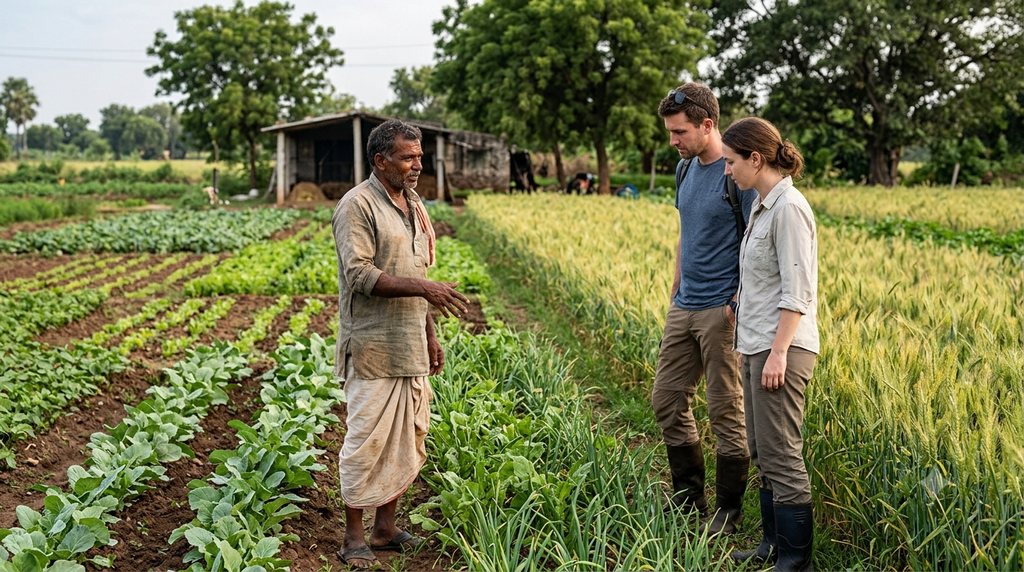
A guided walk can reveal details that are easy to miss when travelling by car.
You may notice how homes are arranged, how fields are cultivated, where local produce is sold and how the surrounding landscape shapes daily routines.
If your host offers a farm visit, confirm which areas are accessible and whether any activities require special clothing or equipment. Farming is work, so participate only when invited and follow safety instructions.
Nature walks should also respect private property, crops, wildlife and local environmental guidelines.
Learn Traditional Crafts
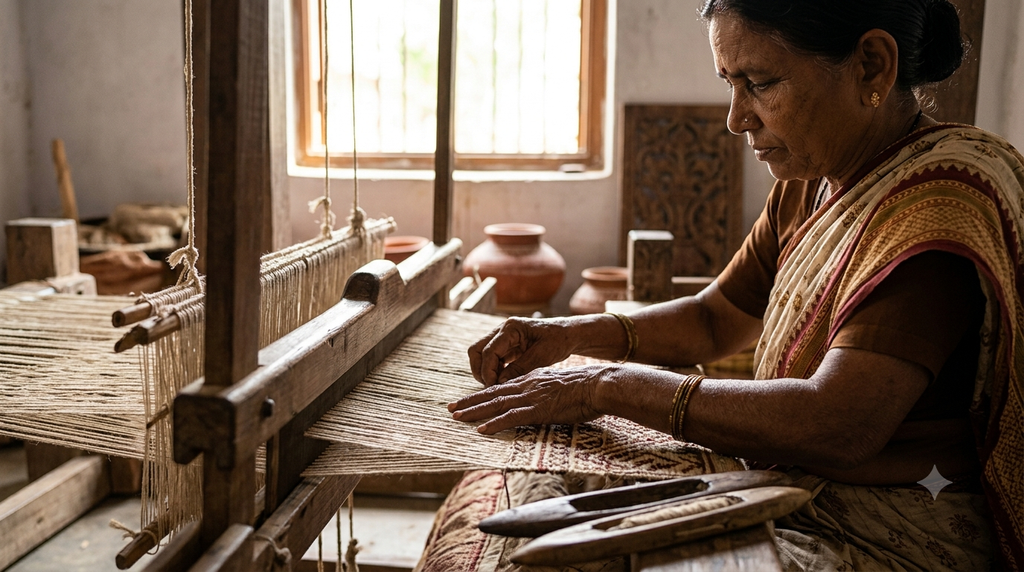
Many rural communities maintain craft traditions involving textiles, pottery, weaving, woodwork, metalwork or other locally important skills.
Where workshops welcome visitors, learning directly from an artisan can be a valuable experience. It may also provide a way to support local livelihoods by purchasing genuine handmade products.
Ask about the time, skill and materials involved in creating an item. Buying directly from the maker, when possible, helps keep more of the value within the community.
Share Stories With Local Hosts
Some of the most memorable moments of travel happen without a formal activity.
A conversation over tea might reveal the history of a village, the meaning behind a local celebration or the changes a family has witnessed over time.
Listen without assuming that one person speaks for an entire community. Every household has its own experiences, opinions and traditions.
These conversations remind us that travel is not simply about seeing new places. It is also about meeting people with perspectives different from our own.
Village Homestays vs. Hotels: What Should You Expect?
Village homestays and hotels serve different travel needs. Neither is automatically better; the right choice depends on your priorities.
A village homestay may suit you if you want:
- Personal interactions with local hosts.
- A closer introduction to regional food and everyday culture.
- A quieter setting away from busy tourist areas.
- Locally guided experiences, where available.
- Opportunities to support small businesses and community livelihoods.
A conventional hotel may suit you if you need:
- Predictable facilities and service standards.
- A wider range of on-site amenities.
- Convenient access to transport hubs or major attractions.
- More formal privacy arrangements.
- Specific services that a rural property may not provide.
Facilities at village homestays vary considerably. Some have private bathrooms, reliable internet and modern amenities; others provide more basic accommodation.
Read recent reviews, inspect the listing carefully and ask the host direct questions before booking. Do not assume that every homestay is inexpensive, remote or family-run.
How to Choose the Right Village Homestay
A thoughtful booking decision can make the difference between a comfortable cultural experience and an inconvenient stay.
Check Facilities and Accessibility
Before confirming your accommodation, check:
- Whether the bathroom is private or shared.
- Availability of hot water, heating, cooling and electricity.
- Mobile network coverage and internet access.
- Meal arrangements and dietary flexibility.
- Road conditions and transport options.
- Accessibility requirements and the suitability of walking routes.
- Cancellation terms, payment methods and emergency arrangements.
If you are travelling with children, older family members or anyone with mobility requirements, confirm the property layout and access conditions in advance.
Look for Community Benefits
Choose accommodation that clearly explains who manages the property and how local people are involved.
A locally operated homestay, community-managed experience or property that works transparently with nearby guides and artisans may provide opportunities for more direct local economic benefits.
Look for credible information rather than relying only on labels such as “eco-friendly” or “authentic.” Ask what your payment includes, whether local guides are paid fairly and whether activities respect the community’s wishes.
Read Recent Reviews and House Rules
Recent guest feedback can reveal useful details about cleanliness, hospitality, food, location and the accuracy of the listing.
Read the house rules before arrival. Some hosts may have specific expectations about footwear, meal timings, quiet hours, alcohol, smoking or the use of shared spaces.
Clear communication helps set realistic expectations and shows respect for the people welcoming you into their home.
Responsible Travel: Respecting Village Life
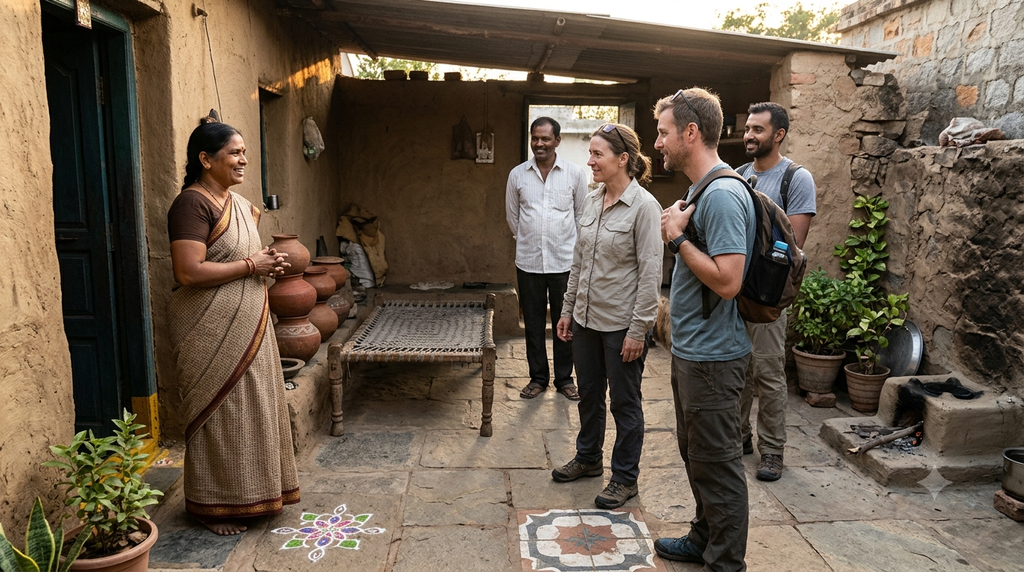
Village tourism can create opportunities for local businesses and cultural exchange, but it should be approached thoughtfully.
A responsible traveller recognises that the community’s comfort, privacy and traditions matter just as much as the visitor’s experience.
Keep these principles in mind:
- Ask before taking photographs. Always seek consent before photographing residents, children, homes or private activities.
- Respect local customs. Follow guidance about clothing, religious places, ceremonies and appropriate behaviour.
- Buy locally when possible. Consider meals, guides, crafts and services provided by community members.
- Reduce waste. Carry reusable essentials, dispose of rubbish properly and avoid leaving plastic behind.
- Use resources thoughtfully. Water and electricity may be limited in some rural areas.
- Respect private property. Ask before entering fields, homes, workshops or other spaces.
- Avoid intrusive tourism. Do not pressure residents to perform traditions or share personal stories for photographs.
- Leave wildlife undisturbed. Follow local guidance on nature walks and avoid activities that harm animals or habitats.
The goal is not to turn village life into a tourist performance. It is to travel in a way that allows visitors and host communities to benefit from a respectful exchange.
Best Time to Plan a Village Homestay in India
The best time for a village homestay depends on the region, altitude, weather and activities you want to enjoy.
In many Himalayan destinations, spring, summer and autumn can offer suitable conditions for village walks, although weather and road access vary by location. Winter may bring snow and difficult travel conditions in some mountain areas.
Rajasthan’s rural destinations are often more comfortable during cooler months than during the hottest part of the year. Kerala’s countryside can be attractive across several seasons, but monsoon rainfall may affect outdoor activities and transport.
Northeast India has varied climates, and heavy rainfall can influence roads, walking routes and access to remote communities. Check the conditions for your specific destination rather than relying on a single season for the entire region.
Before booking, consult local forecasts, official travel advisories and your host’s latest information about accessibility. If you want to attend a festival or participate in a seasonal activity, verify the dates and whether visitors are welcome.
Practical Tips Before You Go
A little preparation helps you enjoy rural travel without unnecessary stress.
Pack according to the destination. Comfortable walking shoes, weather-appropriate clothing, sun protection, insect repellent and any essential medication may be useful.
Carry suitable payment options. Digital payments may not work everywhere, so confirm what the host accepts and whether cash is needed.
Communicate your arrival time. Rural transport can be less frequent, and some properties may need to coordinate your arrival.
Keep expectations realistic. Internet, hot water, transport and shopping options may be limited. Confirm the facilities you consider essential.
Learn a few local greetings. Even a small effort to use the local language can make interactions warmer, while showing respect for the community.
Be flexible with your itinerary. Weather, local events and family schedules may affect planned activities. Allow enough time to enjoy the stay without rushing.
Travel with an open mind. Different routines and comforts are part of discovering a new environment. Approach differences with curiosity, not judgement.
Experience India Beyond the Usual Tourist Trail
The beauty of village homestays in India lies in their variety. One journey may lead you to a quiet Himalayan courtyard, another to a desert settlement shaped by centuries of adaptation, and another to a tropical village where food, farming and family traditions are closely connected.
What unites these experiences is the chance to look beyond a destination’s famous attractions and appreciate the people and everyday practices that make it unique.
A village homestay does not need a packed itinerary or a spectacular activity to be memorable. Sometimes, it is a shared meal, a walk through the countryside or a conversation that stays with you long after you return home.
If you want to discover destinations through culture, nature and meaningful local experiences, explore the travel inspiration available on Travel Anecdotes and discover curated journeys with BlueJay Explorations.
Plan your next escape around the experiences that matter to you, whether that means mountain scenery, regional food, rural traditions or a slower way to travel.
Explore More. Travel Better. Live Deeper.
Discover more travel inspiration at BlueJay Explorations and start planning a journey beyond the ordinary.
Frequently Asked Question’s
Are village homestays in India suitable for first-time travellers?
Yes, many village homestays welcome first-time visitors. Choose a property with clear information, recent reviews, accessible transport and facilities that match your needs. If you are unfamiliar with rural travel, a well-connected village with host support can be a comfortable starting point.
Are village homestays in India safe?
Safety depends on the property, location, transport arrangements and individual circumstances. Review the accommodation carefully, communicate with your host, confirm arrival arrangements and share your itinerary with someone you trust. Check relevant travel advisories and local conditions, particularly for remote or mountainous destinations.
What facilities can I expect at a village homestay?
Facilities vary widely. Some properties offer private bathrooms, Wi-Fi, hot water and modern comforts, while others provide simpler accommodation. Confirm meals, bathroom arrangements, electricity, heating or cooling, connectivity and accessibility before booking.
Are village homestays suitable for families?
Many can be suitable for families, especially when hosts offer appropriate rooms, meals and activities. However, confirm sleeping arrangements, bathroom access, child safety, transport and the suitability of planned activities before making a reservation.
How can I ensure my village homestay benefits local people?
Consider locally operated or community-managed accommodation, hire local guides when appropriate, buy directly from artisans, pay agreed prices fairly and respect local customs. Ask how the property involves the community, and favour transparent, responsible operators.
What is the difference between a village homestay and rural resort?
A village homestay generally emphasises accommodation in a local home or a locally managed property, often with opportunities to learn about the surrounding community. A rural resort typically focuses more on dedicated guest facilities and leisure amenities. Actual experiences vary, so read each property’s description carefully.
Do I need to know the local language to stay in an Indian village?
No. Many hosts who welcome travellers may communicate in Hindi, English or another language, depending on the region. Language support varies, so confirm it in advance. Learning a few local greetings and using translation tools when necessary can make communication easier.
Final Thoughts: Discover the Heart of India Through Village Homestays
The true beauty of travel often lies beyond famous landmarks and luxurious hotels. It lives in quiet village mornings, home-cooked meals, conversations with local families and the traditions that give every destination its unique character.
Village homestays in India offer an opportunity to experience these simple yet meaningful moments while gaining a deeper appreciation of the country’s diverse cultures and rural landscapes. Whether you find yourself in a Himalayan hamlet, a Rajasthan desert village or Kerala’s peaceful countryside, each stay can reveal a different side of India.
Travel thoughtfully, respect local customs and support the communities that welcome you. Sometimes, the most unforgettable journey is not about how many places you visit, but how deeply you connect with the places and people you encounter.
Ready to discover India beyond the ordinary? Explore more travel inspiration with BlueJay Explorations and plan a journey filled with authentic experiences, local discoveries and meaningful connections.
Stay Local. Live the Culture. Discover the Real India
🌍Explore More
“Experience India Beyond Hotels: Discover the Heart of Village Life.”
Step into the authentic charm of rural India, where welcoming families, traditional home-cooked meals, peaceful landscapes, and centuries-old customs create travel experiences unlike any other. From waking up to the sounds of village life and exploring scenic countryside trails to learning local crafts and sharing stories with your hosts, village homestays offer a meaningful way to connect with India’s diverse cultures and communities. Leave behind the ordinary tourist experience, embrace the simplicity of rural living, and discover the unforgettable beauty of travelling through the eyes of the people who call these villages home.
🌍 Explore More: BlueJay Explorations
📖 Read more travel stories: TravelAnecdotes.com
📸 Follow the journey on Instagram
👍 Follow us on Facebook
🎥 Watch cinematic travel stories on YouTube