Jagannath Puri Travel Guide: Experience Odisha’s Sacred Heritage
Along the eastern coast of India, where the Bay of Bengal meets the shores of Odisha, lies a city whose identity has been shaped by centuries of faith, tradition and cultural heritage. Puri is more than a coastal destination. It is a place where temple bells, devotional songs, traditional crafts and the rhythm of everyday life come together to tell a remarkable story.
At the heart of the city stands the revered Shree Jagannath Temple, dedicated to Lord Jagannath, alongside Lord Balabhadra and Goddess Subhadra. For countless devotees, a journey to Puri is an important spiritual experience. For other travellers, it offers an opportunity to understand Odisha’s living traditions, distinctive architecture and rich cultural history.
A visit to Puri can include much more than the temple. The city’s beaches, historic water tanks, local markets, traditional food and nearby heritage destinations offer different ways to experience its character.
This Jagannath Puri travel guide explores the spiritual significance of the city, the famous Rath Yatra festival, places worth discovering, practical travel considerations and ways to experience Odisha respectfully.
Whether you are planning a pilgrimage, a cultural holiday or a journey through India’s sacred heritage, Puri invites you to slow down, look beyond the landmarks and appreciate the stories that make this coastal city special.
Why Jagannath Puri Holds a Special Place in India’s Spiritual Landscape
Puri is widely recognised as one of India’s major pilgrimage destinations and forms part of the Char Dham tradition in Hinduism. Its spiritual identity is closely connected with Lord Jagannath, whose worship has shaped the city’s religious life, festivals, food traditions and cultural expression.
The city attracts pilgrims throughout the year, while its annual Rath Yatra draws enormous crowds who gather to witness the ceremonial journey of the deities.
Yet Puri’s significance extends beyond individual acts of worship. Its temples, neighbourhoods, traditional arts and community practices reveal how religious heritage continues to influence everyday life.
The Significance of Lord Jagannath
Lord Jagannath is revered by devotees as a form of the divine and is closely associated with Lord Krishna in many traditions. At the main temple, Lord Jagannath is worshipped alongside his elder brother, Lord Balabhadra, and sister, Goddess Subhadra.
The tradition of Jagannath worship has developed through centuries of devotion, regional history and distinctive ritual practices. The annual festivals associated with the deities remain central to the identity of Puri.
For pilgrims, visiting the temple may be an important expression of faith. For visitors interested in culture and history, learning about these traditions provides a deeper understanding of Odisha.
Puri as a Living Centre of Faith and Tradition
Unlike a monument preserved only as a historical attraction, Puri remains an active spiritual centre. Daily rituals, festivals, offerings, traditional food and religious observances continue to shape the city.
The sacred food tradition known as Mahaprasad is an important part of the temple’s cultural life. Traditional offerings and the community practices associated with them reflect the connection between devotion, food and shared heritage.
Visitors should remember that these traditions are not performances created for tourists. They are part of a living religious environment and deserve to be approached with consideration.
Jagannath Temple: The Spiritual Heart of Puri
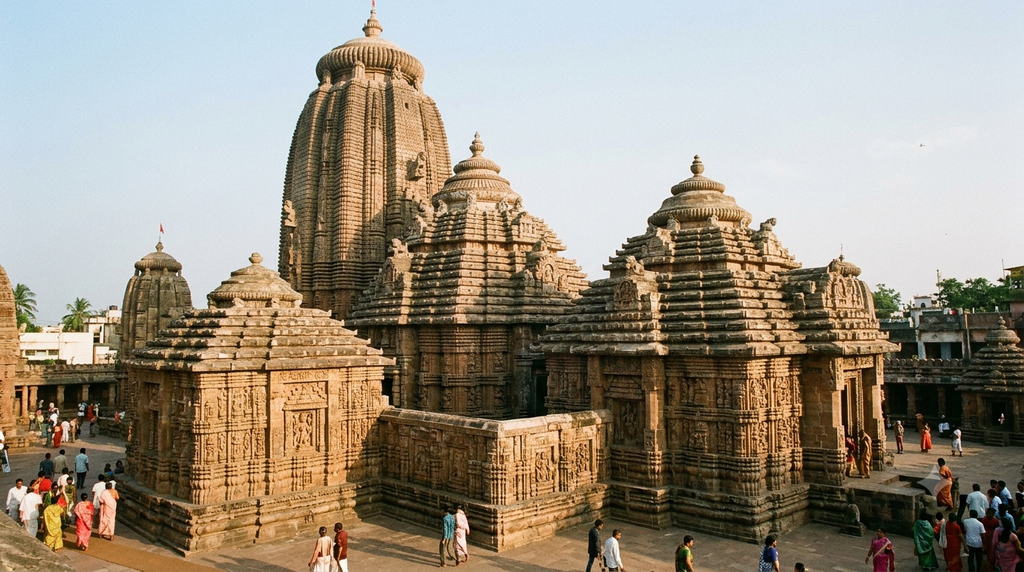
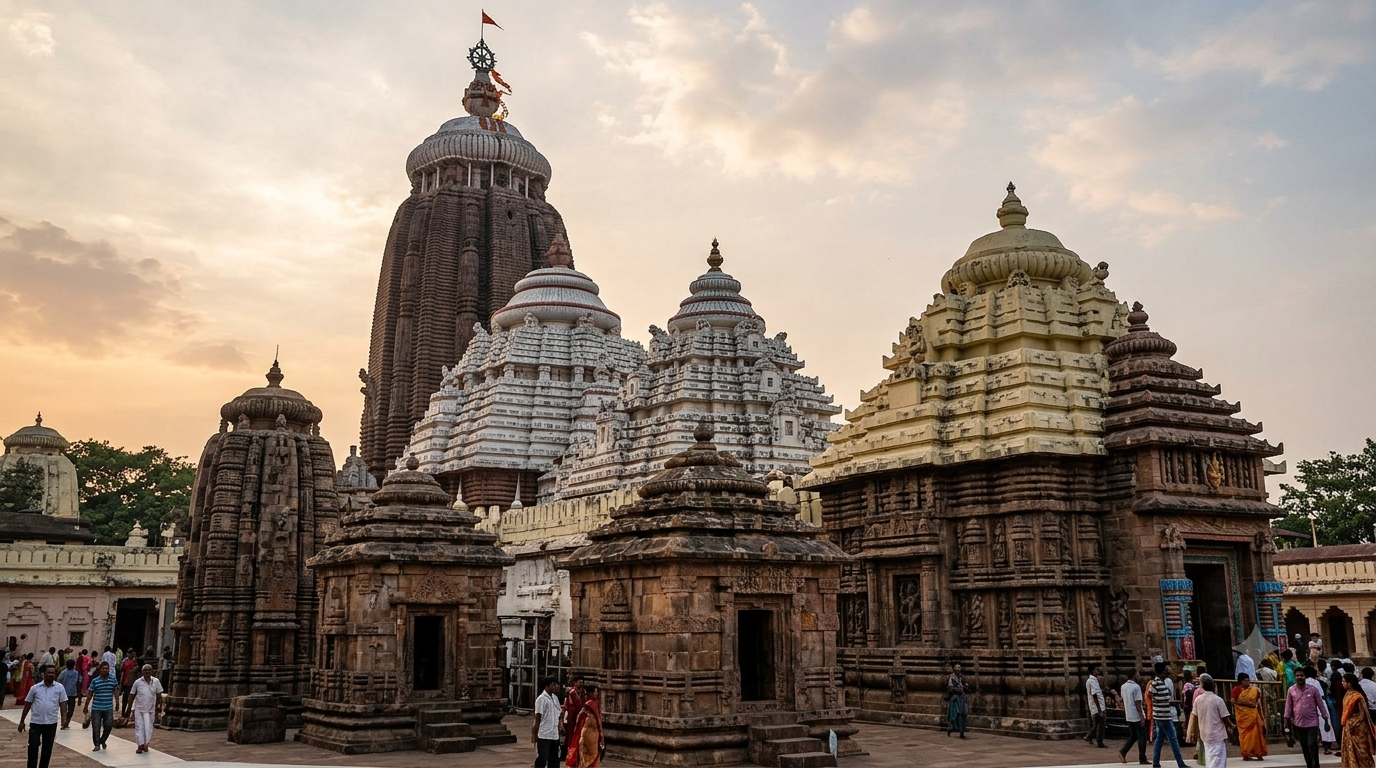
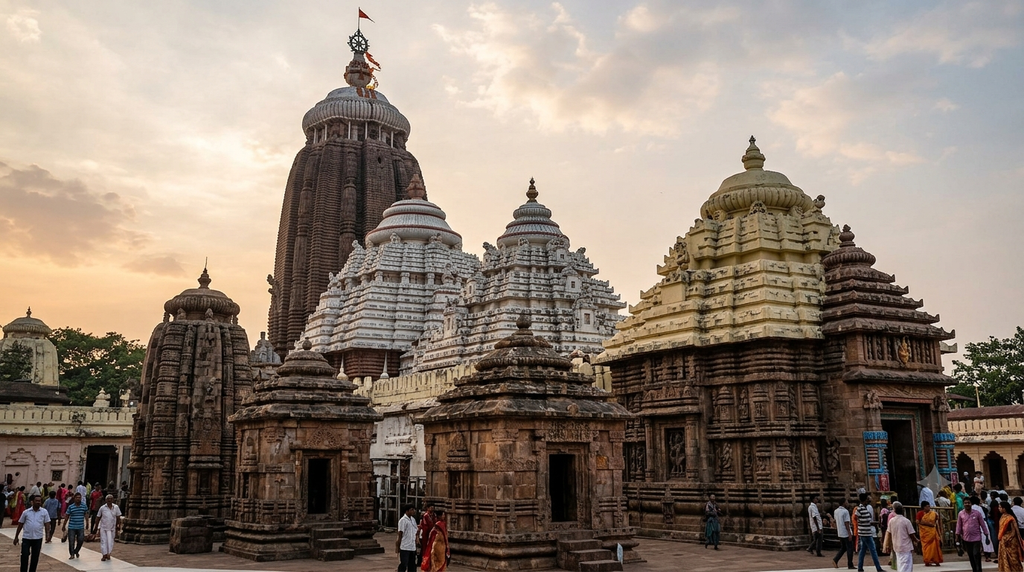
The Shree Jagannath Temple is the most recognisable landmark in the city. Its monumental structure and traditional Kalinga architectural features make it an important part of Odisha’s religious and architectural heritage.
The temple’s history is closely associated with the Ganga dynasty and the medieval development of Puri as a major pilgrimage centre. Its towering main structure, sculptural details and sacred precincts reflect the architectural traditions of eastern India.
For many devotees, the opportunity to offer prayers and seek darshan is the central purpose of travelling to Puri. The experience can be deeply personal, shaped by faith, family traditions and a lifelong connection with Lord Jagannath.
Temple Architecture and Kalinga Heritage
The temple complex is an important example of Odisha’s temple-building tradition. Its prominent tower, sculptural details and carefully organised sacred spaces reflect the architectural vocabulary associated with Kalinga temples.
The exterior offers a sense of the scale and craftsmanship involved in the construction of historic religious monuments. The temple’s visual prominence also shapes the surrounding streets and the identity of the old city.
Visitors interested in architecture can appreciate the monument’s form and historical setting while remembering that the temple’s primary purpose is religious worship.
Rituals, Traditions and Temple Customs
The temple follows an established cycle of daily rituals and festivals. These practices are an important part of its living heritage, and the experience of visiting may vary according to the religious calendar.
The Rath Yatra is the best-known festival associated with the temple, but other observances throughout the year also hold deep significance for devotees.
Rather than expecting every ritual to be accessible to visitors, take time to understand the traditions and respect the rules governing the sacred complex.
Important Visitor Rules to Know
Before visiting the temple, check the latest official visitor guidance. Entry eligibility, security arrangements, permitted belongings and access rules must be confirmed through authorised sources rather than assumed.
Photography and electronic devices may be restricted within temple areas. Follow the instructions of temple authorities and security personnel, and do not attempt to photograph restricted spaces.
Visitors should also be aware that access to the main temple is subject to religious rules. Those who cannot enter can still explore Puri’s wider cultural and spiritual landscape through its other public attractions, heritage sites and coastal surroundings.
Rath Yatra: The Festival That Brings Puri to Life
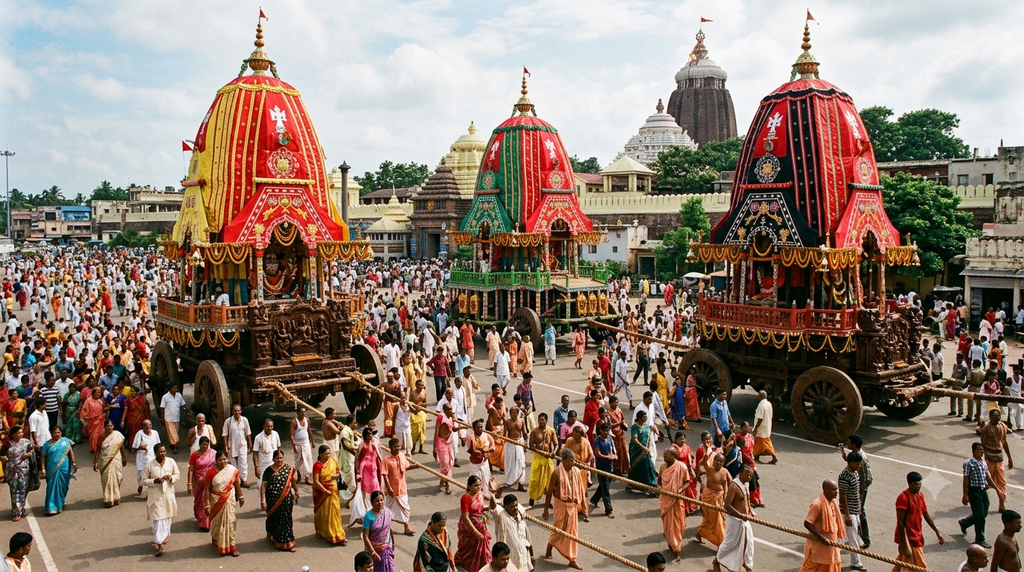
Few events express the spiritual and cultural identity of Puri as powerfully as the annual Rath Yatra, or Chariot Festival.
During the festival, the deities Lord Jagannath, Lord Balabhadra and Goddess Subhadra are taken in a ceremonial procession on three large, decorated wooden chariots. The journey from the main temple towards Gundicha Temple is accompanied by devotional singing, traditional observances and vast gatherings of devotees.
The festival is not simply a spectacle. It carries profound religious meaning and represents a major expression of devotion within the Jagannath tradition.
The Meaning Behind the Chariot Festival
Rath Yatra is associated with the ceremonial journey of the deities to Gundicha Temple and their subsequent return. The construction and preparation of the chariots follow established traditions involving specialised craftsmanship and ritual observance.
The festival brings together religious practice, woodworking traditions, community participation and a shared sense of celebration. Its scale and continuity have made it one of India’s best-known religious festivals.
Experiencing the Festival Respectfully
If you plan your visit around Rath Yatra, book accommodation and transport well in advance. The city can become extremely crowded, and traffic management, access restrictions and security arrangements may differ significantly from ordinary days.
Follow official instructions, stay within designated areas and avoid pushing into dense crowds. Families travelling with children or older visitors should plan meeting points and consider the physical demands of the event.
Check the official festival calendar for the relevant year before making reservations. The dates follow the Hindu lunar calendar and change from year to year.
For a traveller, Rath Yatra can provide a powerful insight into Odisha’s living spiritual heritage. The best way to experience it is with preparation, patience and respect for the people gathered for worship.
Beyond the Temple: Places to Explore in Puri
Although the Jagannath Temple is central to the city’s identity, there are several other places that can enrich your journey.
Puri Beach: Where the City Meets the Bay of Bengal

Puri Beach offers a different atmosphere from the city’s sacred streets. The broad coastline, moving waves and open horizon provide a space to pause after exploring temples and historic neighbourhoods.
Early morning is often a rewarding time for a coastal walk, with changing light and everyday beach activity creating a vivid picture of local life.
Visitors should follow beach safety guidance, pay attention to conditions in the water and respect local instructions. Sea conditions can change, so avoid swimming in unsafe areas.
The beach also offers opportunities to observe coastal livelihoods and enjoy the quieter side of Puri. Keep the shoreline clean and avoid leaving plastic or other waste behind.
Gundicha Temple: An Important Part of the Rath Yatra Tradition
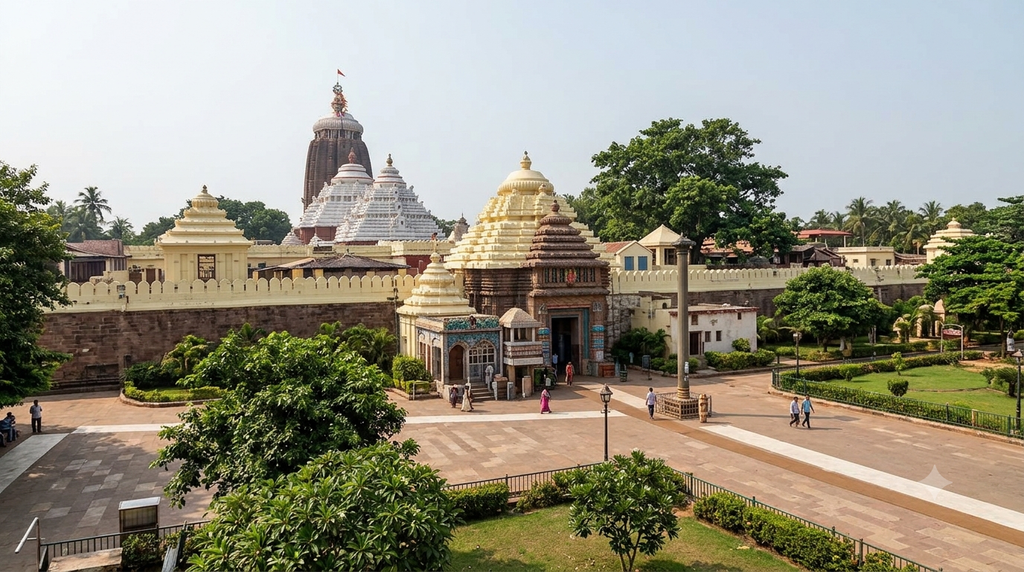
Gundicha Temple is closely associated with the annual Rath Yatra. It is the destination towards which the ceremonial chariots travel during the festival, making it an important part of Puri’s spiritual geography.
Outside festival periods, the atmosphere may be very different from the crowded procession days. Visitors can learn about its significance within the broader Jagannath tradition, subject to current access arrangements.
The temple is a reminder that Puri’s religious landscape extends beyond the main shrine and includes several sites connected through stories, rituals and annual observances.
Narendra Tank: Water, Ritual and Heritage
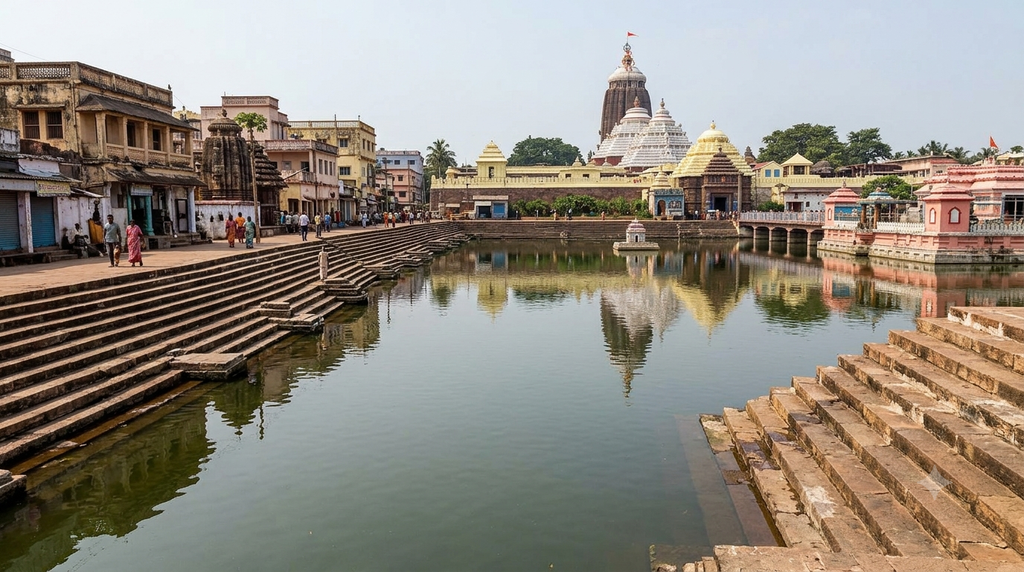
Narendra Tank, also known as Narendra Pokhari, is a historic water body associated with Puri’s religious traditions. It plays a role in certain observances linked with the Jagannath temple tradition, including aspects of Chandan Yatra.
The tank offers another perspective on the relationship between water, sacred space and the city’s cultural history.
As with other religious sites, visitors should observe local customs, avoid disturbing ceremonies and follow any access restrictions in place during their visit.
Local Markets and Traditional Crafts
Puri and the surrounding region are known for traditional arts and crafts, including textiles, paintings, appliqué work and other forms of Odisha’s artistic heritage.
Local markets provide an opportunity to discover handmade objects and learn about the skills passed between generations of artisans.
For a wider cultural experience, consider visiting Raghurajpur Heritage Village, known for its traditional painting and craft traditions. If you purchase souvenirs, look for locally made products and take time to understand the craft rather than treating it as a quick shopping stop.
Discovering Odisha’s Wider Cultural Heritage
Puri can serve as a starting point for exploring more of Odisha. The region offers historic temples, coastal landscapes, craft villages and natural environments that reveal different dimensions of its identity.
Konark Sun Temple: A Masterpiece of Stone Architecture
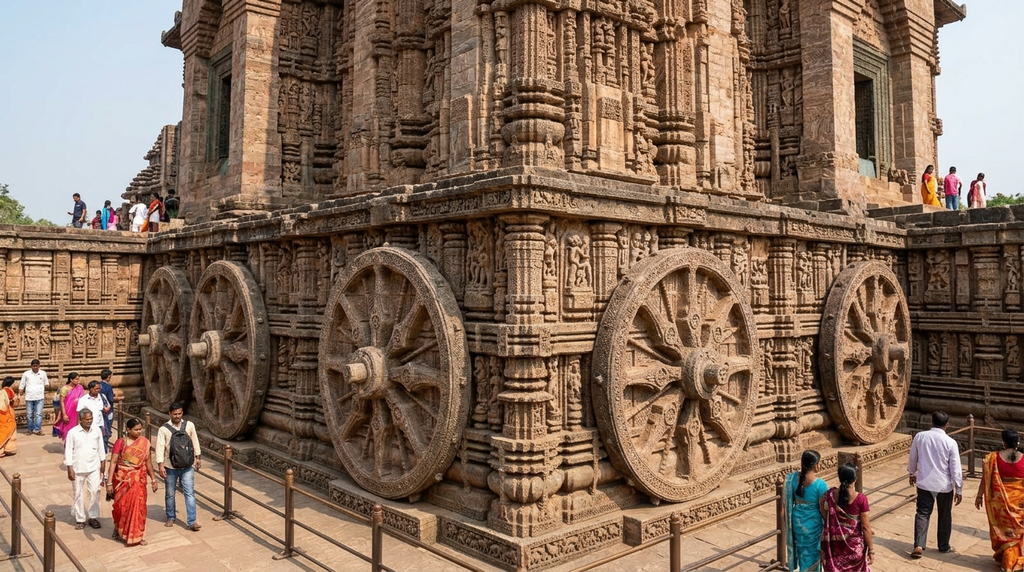
The Konark Sun Temple, a UNESCO World Heritage Site, is one of Odisha’s most significant historic monuments. Built in the thirteenth century, it is conceived as a monumental chariot of Surya, the Sun God, and is celebrated for its architectural design and elaborate stone carvings.
The monument offers an extraordinary opportunity to understand the craftsmanship and artistic ambition of historic Odisha.
A visit to Konark can complement a trip to Puri by connecting the region’s spiritual traditions with its wider architectural history. Check current monument access information before travelling.
Chilika Lake: A Different Side of Odisha
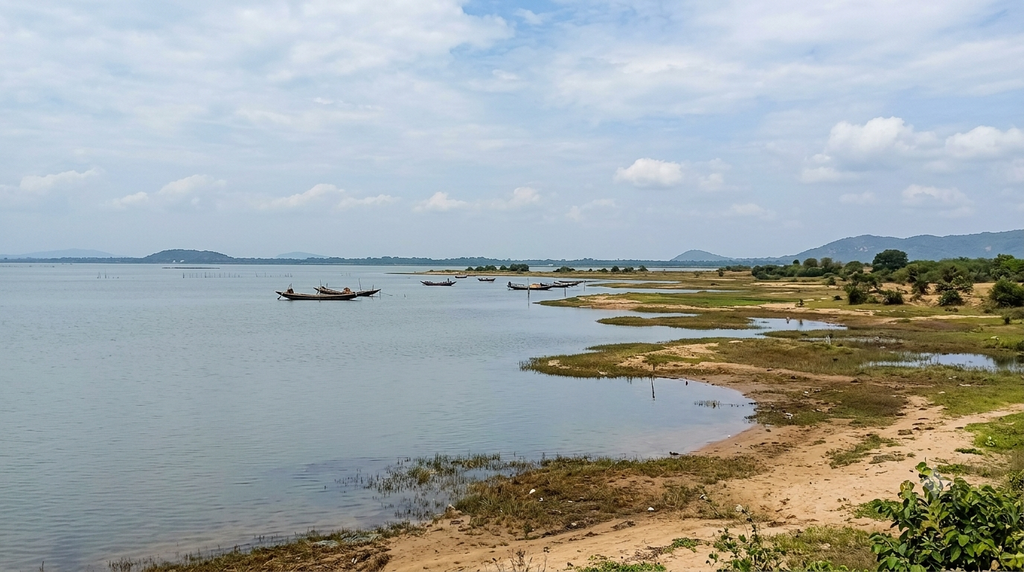
Chilika Lake, a vast coastal lagoon, offers a different experience from Puri’s temple-centred environment. Its waters, islands and surrounding communities create a landscape shaped by fishing, local livelihoods and wildlife.
The Satapada area is known as a gateway for lake experiences. Boat trips and wildlife sightings depend on current conditions, operator practices and seasonal factors, so confirm availability and follow local conservation guidance.
For travellers interested in combining spiritual heritage with nature, Chilika can provide a change of pace within a wider Odisha itinerary.
Odisha’s Food and Artistic Traditions
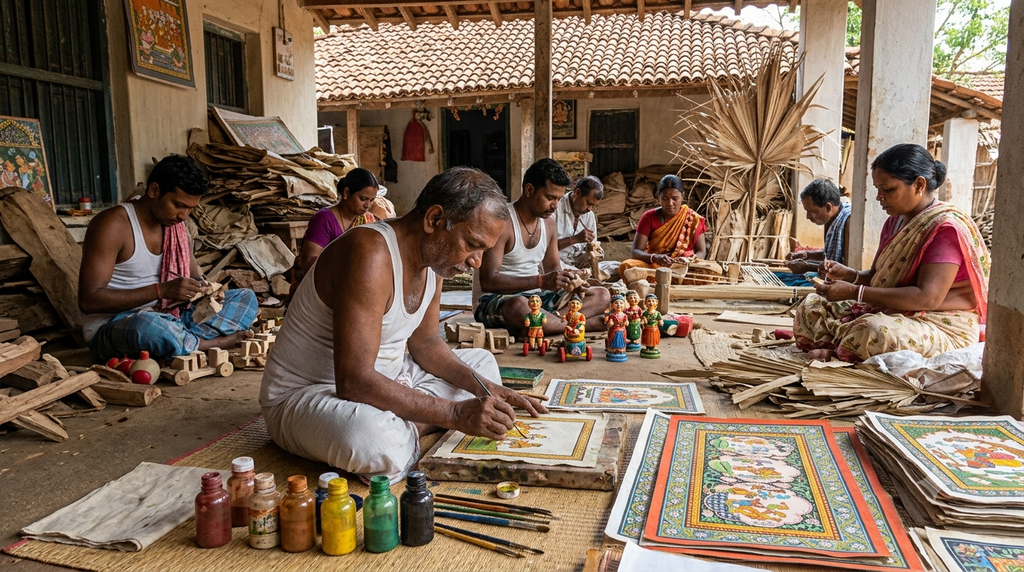
Food is another way to understand a destination’s cultural identity. In Puri, traditional offerings and regional cuisine form an important part of local life.
Mahaprasad has particular religious significance within the Jagannath tradition. Visitors interested in experiencing it should learn about the appropriate customs and obtain it through recognised channels.
Beyond temple food, Odisha has a rich regional culinary heritage. Local markets and eateries can introduce travellers to traditional flavours, while craft centres offer insight into painting, textiles and other artistic practices.
Approach these experiences with curiosity, support local makers where possible and avoid assuming that a single meal or craft represents the entire state.
Best Time to Visit Jagannath Puri
The best time to visit Puri depends on your interests, tolerance for heat and humidity, and whether you want to experience a major festival.
October to March: Comfortable Weather for Exploration
The cooler months are generally favourable for exploring Puri’s streets, temples and nearby heritage destinations. Outdoor sightseeing and coastal walks can be more comfortable than during the hotter part of the year.
This is a useful period for travellers who want to combine spiritual experiences with cultural sightseeing.
Rath Yatra Season: For the Major Festival Experience
Rath Yatra usually falls around June or July, according to the Hindu lunar calendar. Visiting during this period offers the opportunity to witness one of Puri’s most important religious events.
However, the festival brings enormous crowds, transport challenges and increased demand for accommodation. Heat, humidity and monsoon conditions also need to be considered.
Plan carefully, check official announcements and avoid assuming that ordinary visitor arrangements will apply during the festival.
Summer and Monsoon: Prepare for Conditions
Summer can be hot and humid, while the monsoon season may bring heavy rain and changing coastal conditions.
If travelling during these periods, plan outdoor activities around the weather, carry suitable clothing and check transport updates. Always follow local advice concerning beaches, water activities and any weather-related restrictions.
How to Reach Puri
Puri is connected to other parts of Odisha and India by rail and road. The most suitable route depends on your departure city, schedule and budget.
By Train
Puri has a railway station served by train services connecting it with a range of destinations. Train availability and journey times vary, so check current schedules and reserve tickets through official railway booking channels.
By Air
Biju Patnaik International Airport in Bhubaneswar is the principal airport commonly used by travellers visiting Puri. From Bhubaneswar, the onward journey can be made by road or rail, depending on your arrangements.
Confirm flight availability and transfer times before booking your itinerary.
By Road
Puri can be reached by road from Bhubaneswar and other destinations in Odisha. Taxis, buses and other transport options may be available, but journey times depend on traffic, weather and the route.
For trips combining Puri with Konark or other nearby places, plan the route in advance and allow extra time during festivals or peak travel periods.
Suggested Jagannath Puri Travel Itinerary
A two- or three-day visit can provide a useful introduction to Puri and its surrounding heritage. Adjust the itinerary according to temple access, weather, transport and your personal interests.
Day 1: Explore Puri’s Spiritual Heritage
Begin with the Jagannath Temple if you are eligible to enter and have checked the current visitor requirements. Allow flexibility because queues and ritual schedules can affect the time needed.
Later, explore other accessible heritage sites around the city and learn about the Jagannath tradition. End the day with a coastal walk at Puri Beach, conditions permitting.
Day 2: Discover Nearby Cultural Landmarks
Consider a trip to Konark to explore the Sun Temple and its remarkable architecture. If time permits, you can also learn about local crafts or visit a heritage village such as Raghurajpur.
Keep travel times realistic and check current opening arrangements before setting out.
Day 3: Choose a Nature or Local-Culture Experience
If you have a third day, consider a planned visit to the Chilika Lake area or spend more time discovering Puri’s local markets, food and cultural traditions.
A slower final day can be more rewarding than adding too many destinations. Choose an experience that matches your interests and allows enough time for the return journey.
Festival note: During Rath Yatra and other major observances, follow the official arrangements for the event rather than relying on a standard sightseeing itinerary.
Local Food and Cultural Experiences
A visit to Puri can become more meaningful when food and local traditions are approached as part of the destination’s heritage.
Mahaprasad, the sacred food offering associated with Lord Jagannath, holds a special place in the city’s religious life. Learn about its significance and follow local customs when purchasing or receiving it.
Odisha’s wider food traditions include a variety of rice-based dishes, vegetable preparations, sweets and regional specialities. The dishes available will depend on the establishment and season, so ask local hosts or trusted guides for recommendations.
Puri’s markets and surrounding craft communities offer another way to connect with the region. Look for traditional paintings, appliqué work and locally produced handicrafts, and consider asking artisans about the methods behind their work.
Respectful curiosity makes these experiences more than a checklist of things to buy or eat. They become opportunities to learn about the people who sustain the city’s cultural identity.
Practical Tips for a Respectful Spiritual Journey
A little preparation helps visitors experience Puri more comfortably while respecting its religious traditions.
- Check temple rules in advance: Verify eligibility, access requirements, permitted belongings and any restrictions through official temple or government information.
- Follow local customs: Dress respectfully and observe the instructions given at religious sites.
- Plan around crowds: Major festivals and holidays can significantly affect transport, accommodation and access.
- Be careful with photography: Do not photograph restricted areas or people in sensitive moments without permission.
- Respect religious observances: Avoid interrupting prayers or ceremonies for photographs or social media content.
- Protect the coast: Dispose of waste responsibly and follow beach safety guidance.
- Choose responsible local experiences: Support local artisans, guides and businesses where possible.
- Keep your itinerary flexible: Weather, festival arrangements and transport conditions may change.
- Carry essentials: Keep drinking water, sun protection, any personal medication and comfortable walking footwear.
- Confirm current information: Verify transport schedules, attraction access and event arrangements before leaving.
What to Pack for Your Puri Trip
Your packing list should reflect the season, itinerary and activities you plan to undertake.
Consider comfortable walking clothes, modest clothing suitable for religious sites, sun protection, a reusable water bottle where permitted, personal medication and a small day bag.
During hot and humid periods, lightweight clothing can be helpful. During the monsoon, a compact rain jacket or umbrella may be useful, along with footwear appropriate for wet conditions.
If you plan to visit beaches or nearby natural destinations, pack according to the activity and follow local safety guidance.
Keep electronic devices and valuables secure, and check the temple’s current restrictions before bringing items to the entrance. Do not assume that belongings prohibited inside can always be stored conveniently nearby.
Why a Journey to Puri Stays with You
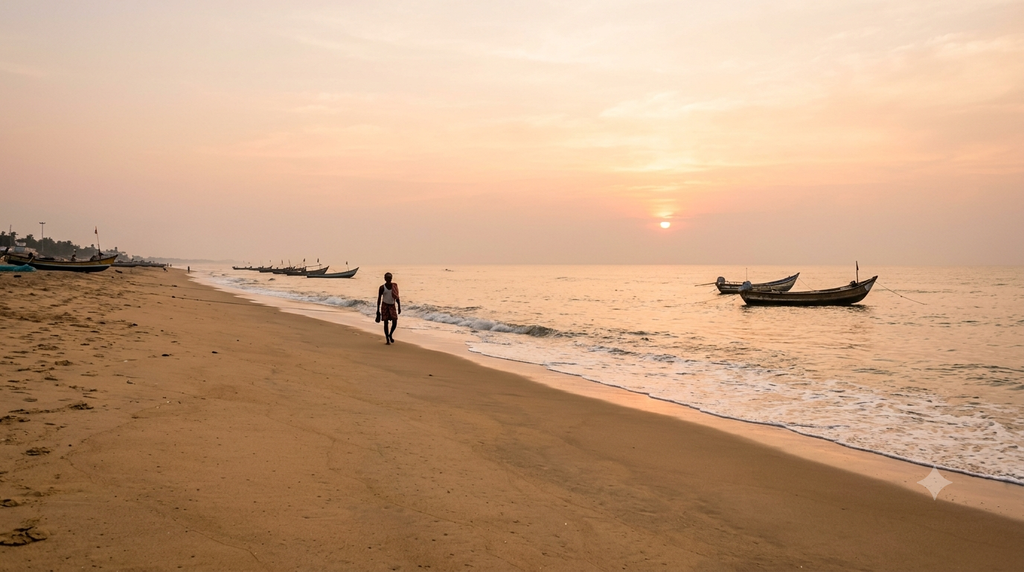
Some destinations remain memorable because of their landscapes. Others stay with us because of their history, people or traditions. Puri brings these elements together in a distinctive way.
The sight of the temple rising above the city, the energy of the Rath Yatra, the calm of the coastline and the craftsmanship found in Odisha’s cultural traditions each reveal a different aspect of the region.
For pilgrims, Puri may represent devotion, prayer and a connection with a sacred tradition. For other travellers, it can be a journey into India’s living heritage—a chance to understand how faith influences architecture, food, community and everyday life.
The most rewarding visit is not necessarily the one with the longest itinerary. It may be the one in which you take time to learn, observe and appreciate the place beyond its most famous landmark.
Travel with respect, remain open to different perspectives and allow the stories of Odisha to shape your understanding of the destination.
Discover Meaningful Journeys with BlueJay Explorations
At BlueJay Explorations, meaningful travel is about looking beyond the familiar and discovering destinations through their culture, landscapes, history and local experiences.
A journey through Puri can be part of a wider exploration of Odisha, connecting sacred heritage with remarkable architecture, coastal scenery and traditional arts. Whether you are planning a pilgrimage or a cultural holiday, thoughtful preparation can help you make more of every destination.
Explore travel possibilities with BlueJay Explorations and discover experiences that suit your interests.
Travel with Purpose. Explore with Passion.
Frequently Asked Questions :
1. What is Jagannath Puri famous for?
Puri is best known for the Shree Jagannath Temple and the annual Rath Yatra festival. The city is also recognised for its coastal setting, religious traditions, historic sites and connection to Odisha’s cultural heritage.
2. What is the best time to visit Jagannath Puri?
The cooler months from approximately October to March are generally comfortable for sightseeing. Travellers wishing to experience Rath Yatra should check the official dates and prepare for large crowds, hot weather and possible monsoon conditions.
3. Can all visitors enter Jagannath Temple?
Temple entry is subject to religious and administrative rules. Visitors should check the latest official guidance on eligibility and access before travelling. People who cannot enter can still explore other public attractions and cultural experiences in Puri.
4. What is the significance of Rath Yatra?
Rath Yatra is the ceremonial chariot festival associated with Lord Jagannath, Lord Balabhadra and Goddess Subhadra. The deities are taken in procession on decorated chariots towards Gundicha Temple, followed by further traditional observances.
5. How many days are enough for Puri?
Two or three days can provide a useful introduction to Puri and nearby attractions. The time needed depends on temple access, festival schedules, your interests and whether you plan to visit destinations such as Konark or Chilika Lake.
6. How can I reach Puri?
Puri is accessible by train and road. Many air travellers arrive at Bhubaneswar and continue by road or rail. Check current transport schedules and travel times before booking.
7. What places can I visit near Puri?
Popular options include the Konark Sun Temple, Raghurajpur Heritage Village and the Chilika Lake area. Choose destinations according to your available time, transport arrangements and current access conditions.
8. What should I wear when visiting Jagannath Temple?
Choose respectful clothing suitable for a religious site and follow any current temple requirements. Check official visitor guidance before arrival, particularly if you are visiting during a major festival.
9. Is Puri suitable for a family trip?
Puri can suit families interested in spiritual heritage, architecture and coastal experiences. During large festivals, crowds and transport restrictions can make travel more demanding, so consider the needs of children and older travellers when planning.
10. What makes Puri important for spiritual journeys in India?
Puri combines a major pilgrimage tradition with historic temple architecture, the Rath Yatra festival and a distinctive regional culture. It offers an opportunity to understand how faith and community traditions continue to shape a destination.
Ready to explore Odisha’s sacred heritage?
Discover more meaningful travel experiences with BlueJay Explorations
Travel with Purpose. Explore with Passion.
Final Thoughts: Experience the Spirit of Odisha
Jagannath Puri is a destination where spiritual traditions and cultural heritage remain closely connected. Its revered temple, famous Rath Yatra, coastal landscape and surrounding historic sites offer many ways to understand the character of Odisha.
A visit can be a pilgrimage, a cultural discovery or an opportunity to experience a part of India shaped by centuries of living tradition. Whatever brings you to Puri, take time to understand its customs, respect its sacred spaces and appreciate the communities that keep its heritage alive.
The journey becomes more meaningful when we travel not only to see a place, but also to understand why it matters.
🌍 Explore More
Travel with Purpose. Explore with Passion.
🌍 Explore More: BlueJay Explorations
📖 Read more travel stories: TravelAnecdotes.com
📸 Follow the journey on Instagram
👍 Follow us on Facebook
🎥 Watch cinematic travel stories on YouTube