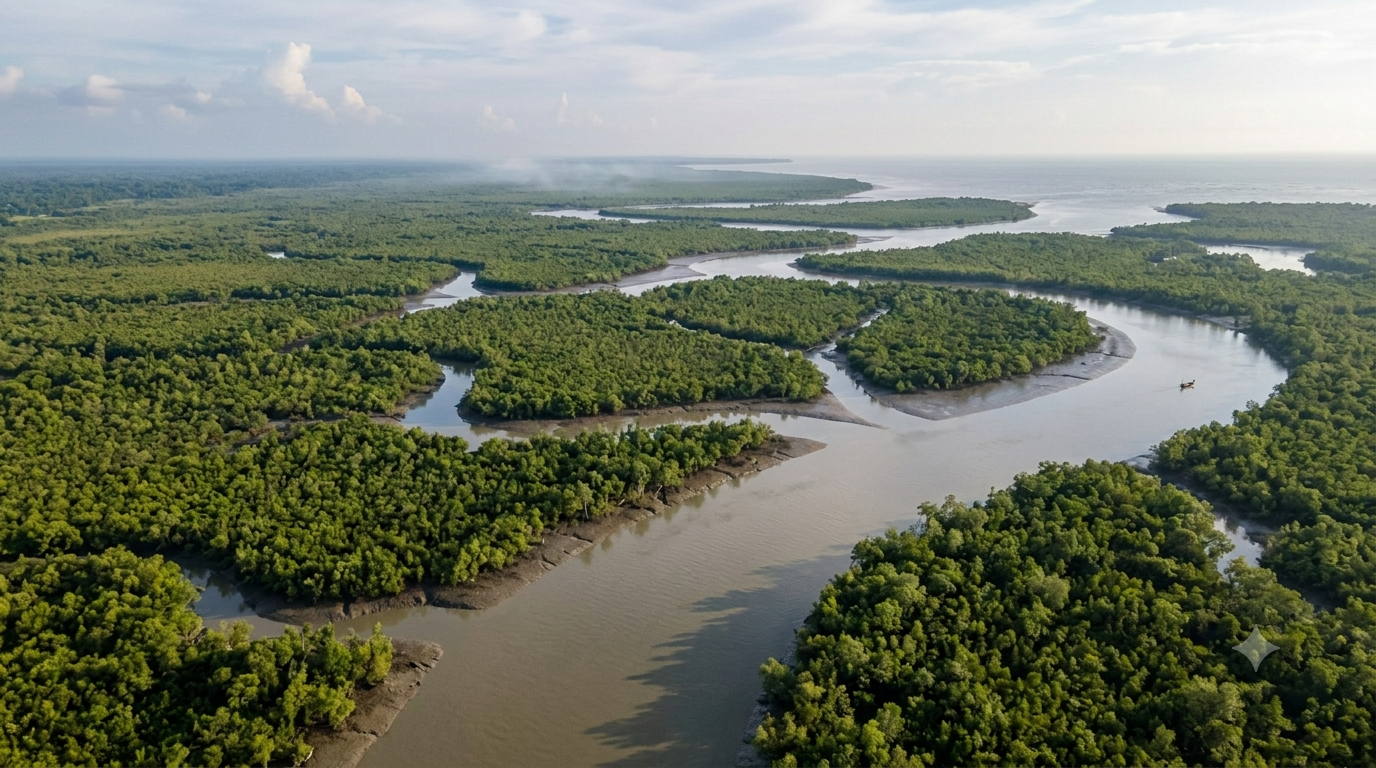
Sundarbans Travel Guide: Discover the World of Mangrove Forests and Royal Bengal Tigers
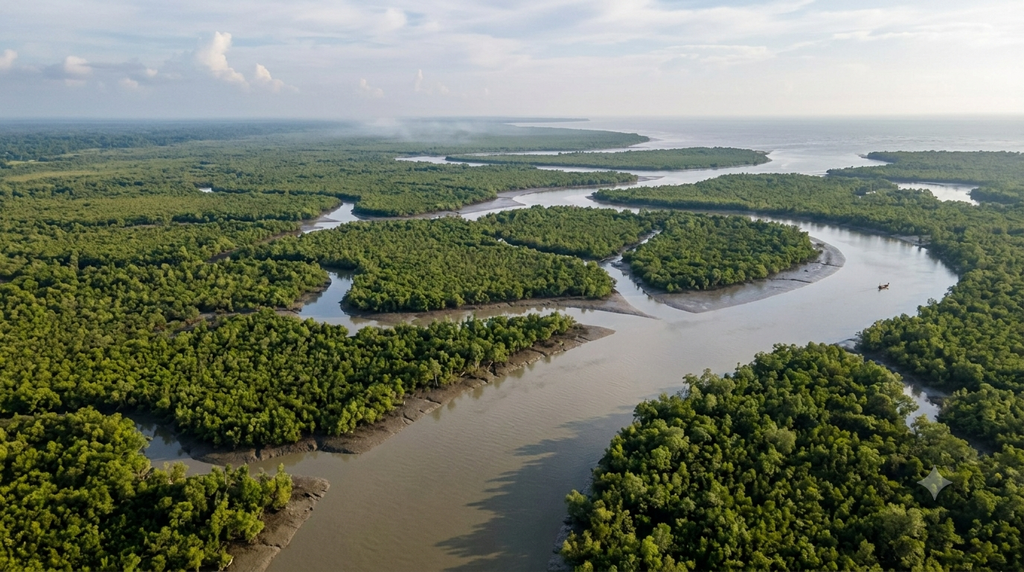
The Sundarbans is a place where rivers divide into countless channels, mangrove roots rise from muddy tidal shores, and the wilderness follows the rhythm of the sea. Spread across the Ganges–Brahmaputra delta in India and Bangladesh, this remarkable landscape is one of the world’s most distinctive natural environments.
For travellers exploring India’s wildlife and nature destinations, the Indian Sundarbans in West Bengal offer an extraordinary opportunity to experience dense mangrove forests, quiet waterways, diverse birdlife, fishing communities and the legendary habitat of the Royal Bengal tiger.
Yet a journey here is different from a conventional wildlife safari. The forest is largely explored by boat, the tides influence daily movement, and wildlife sightings require patience. A tiger may remain hidden throughout your visit, but the landscape itself offers countless reasons to appreciate this extraordinary ecosystem.
This Sundarbans travel guide covers the mangrove forests, wildlife experiences, boat safaris, places to explore, the best time to visit, travel planning and practical ways to enjoy this fragile wilderness responsibly.
Whether you are a nature enthusiast, wildlife photographer or traveller looking for a meaningful escape from city life, the Sundarbans invites you to slow down and discover nature on its own terms.
Discovering the Sundarbans: A World Shaped by Tides
The Sundarbans lies within the vast delta formed by the Ganges, Brahmaputra and Meghna river systems. Its name is commonly associated with the sundari mangrove tree, one of the characteristic species of this ecosystem.
Here, freshwater and saltwater interact with shifting tides. Rivers split into narrow creeks, islands change along their edges, and mangrove vegetation creates a complex habitat for wildlife.
The Indian portion of the Sundarbans is located in West Bengal, south of Kolkata. It forms part of a much larger transboundary mangrove landscape shared with Bangladesh.
The region is recognised for its ecological importance, including the Sundarbans National Park and the Sundarbans Tiger Reserve in India. The wider Sundarbans area is also internationally recognised for its outstanding natural heritage.
Why Are the Sundarbans So Unique?

Unlike many forests where trees grow on relatively stable ground, mangroves are adapted to changing tidal conditions. Their specialised roots help them survive in waterlogged, muddy environments and support a web of life.
The Sundarbans is important for several reasons:
- Mangrove biodiversity: Different mangrove species thrive in the region’s tidal environment.
- Wildlife habitat: The ecosystem supports tigers, deer, crocodiles, aquatic animals and many bird species.
- Coastal protection: Mangroves help reduce erosion and can buffer some coastal impacts from storms and waves.
- Local livelihoods: Fishing, honey collection and other traditional activities are closely connected to the landscape, subject to applicable regulations.
- Natural heritage: The delta illustrates the relationship between rivers, forests, wildlife and human communities.
A visit to the Sundarbans is therefore more than a wildlife excursion. It is a chance to understand an ecosystem where every channel, root system and island plays a role.
Royal Bengal Tigers: The Elusive Icons of the Sundarbans
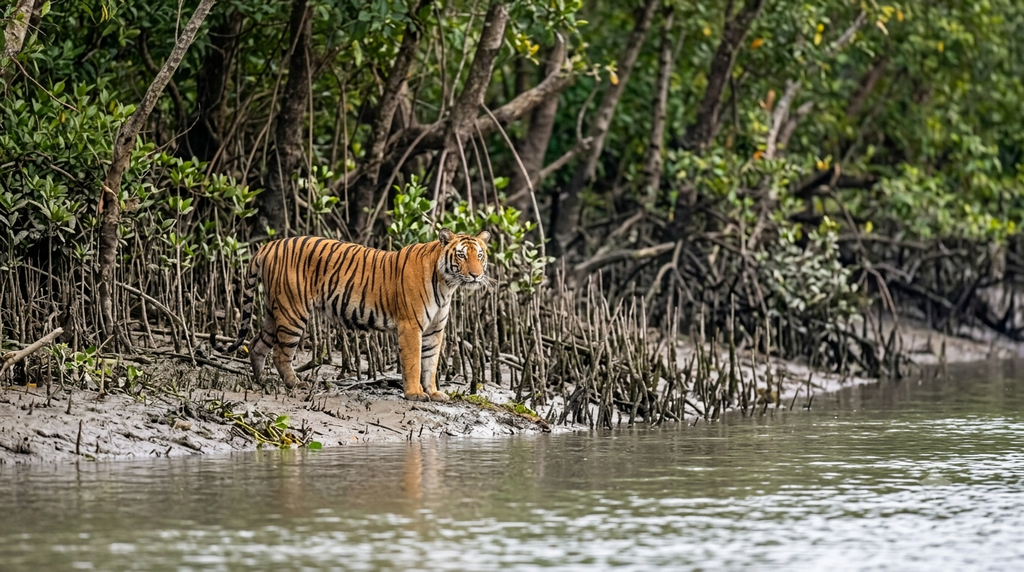
The Royal Bengal tiger is the animal most closely associated with the Sundarbans. Its presence has shaped the region’s reputation as one of India’s most fascinating wildlife destinations.
Unlike a typical safari landscape with open grasslands, the Sundarbans offers a dense network of creeks, muddy banks, mangrove vegetation and tidal waterways. Tigers can move through this difficult terrain while remaining almost completely hidden from view.
That is part of what makes the experience so compelling. You are exploring a living forest, not a wildlife enclosure designed to make animals easy to spot.
Can You See a Tiger in the Sundarbans?
Tiger sightings are possible, but they are never guaranteed. The animals are elusive, and thick vegetation makes spotting them difficult even during a well-planned visit.
Instead of judging your experience only by whether you see a tiger, pay attention to the wider signs of wildlife: movement along a riverbank, birds calling from the canopy, deer in a clearing or ripples appearing in the water.
Your guide may help you understand tracks, animal behaviour and habitat conditions. Such observations can make a journey rewarding even when the tiger remains out of sight.
Other Wildlife to Look For
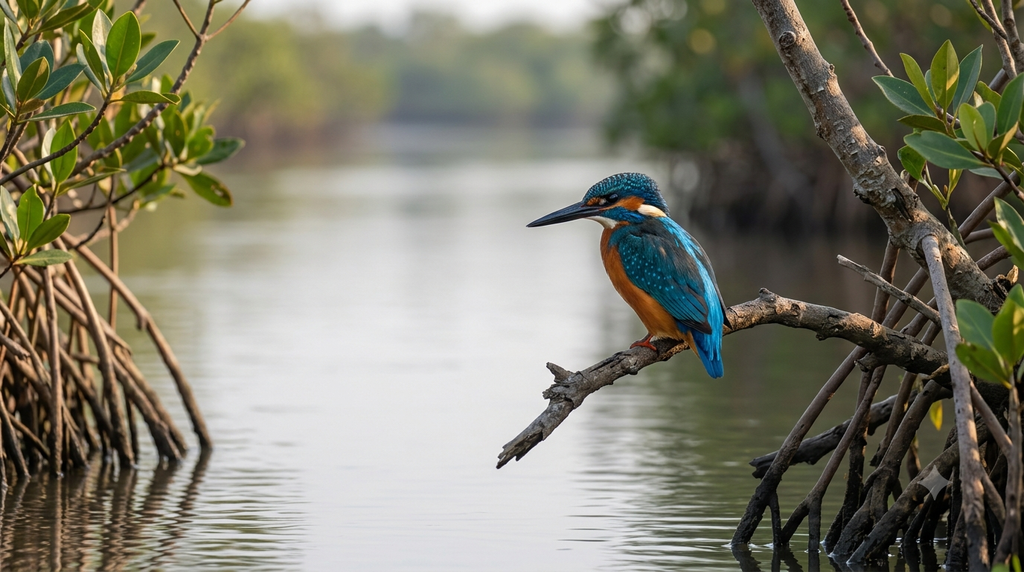
The Sundarbans supports a varied range of wildlife. Depending on the area, season and conditions, visitors may encounter or learn about:
- Spotted deer and wild boar
- Saltwater crocodiles
- Fishing cats and other small wild mammals
- Monitor lizards
- Dolphins in suitable waterways
- Kingfishers, eagles, herons and other waterbirds
- Mudskippers, crabs and other creatures adapted to mangrove habitats
Not every species will be visible during every trip. Responsible wildlife viewing means observing from permitted areas and keeping a safe distance without disturbing animals.
Travel Anecdotes tip: Bring binoculars if you have them. They can make birdwatching and distant wildlife observation more enjoyable without encouraging you to approach animals.
Exploring Mangrove Forests by Boat
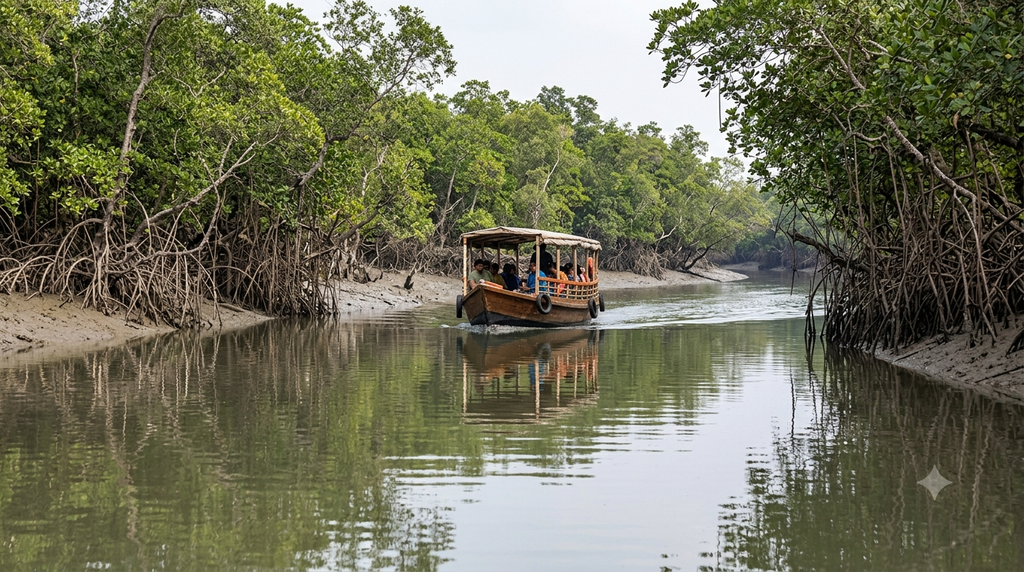
A boat journey through the tidal waterways is one of the defining experiences of Sundarbans tourism.
As your boat moves along a river or creek, the scenery shifts between open stretches of water, thick mangrove vegetation and narrow channels. Sunlight reflects off the surface, roots emerge from the mud, and bird calls carry across the forest.
The pace is often gentle, creating time to observe details that might otherwise go unnoticed.
What Is a Sundarbans Boat Safari Like?
A boat safari generally involves travelling along permitted waterways with an authorised operator or guide. The exact route and duration depend on the trip you choose, local regulations, tide conditions, weather and forest access.
Unlike jeep safaris in some other Indian national parks, much of the Sundarbans experience centres on water-based exploration. Depending on the permitted itinerary, visitors may view the forest from the boat, visit designated viewing points or spend time at authorised facilities.
Before confirming a trip, check what is included, the departure point, the expected duration, meals, accommodation, permits and any additional charges.
What Should You Observe During the Journey?
Look beyond the possibility of a tiger sighting. The mangrove forest offers plenty to discover:
- The unusual shapes of mangrove roots along the shoreline
- Birds hunting fish or resting on exposed branches
- Mudflats and tidal marks along the riverbanks
- The changing colours of the water and vegetation
- Small fishing boats and the relationship between local communities and the waterways
Follow the boat crew’s instructions throughout the journey. Never lean dangerously over the side, enter restricted water channels or attempt to attract wildlife for photographs.
A boat safari in the Sundarbans is most rewarding when you approach it as a nature experience rather than a checklist of animals to find.
Best Places and Experiences in the Sundarbans
The Indian Sundarbans contains numerous islands, waterways, settlements and protected areas. Not every location is open to all visitors, and access may vary according to current forest regulations and the itinerary arranged by your authorised operator.
The following places and experiences are useful starting points when planning your journey.
1. Sajnekhali: A Gateway to Sundarbans Exploration
Sajnekhali is an important tourism and forest-management area associated with the Indian Sundarbans. Depending on current access arrangements, visitors may include designated facilities or viewing areas in their itinerary.
It can be a useful place to learn about the region’s wildlife and conservation context before continuing along the waterways.
Confirm the current visitor arrangements and permitted activities before travelling, as access and facilities can change.
2. Sudhanyakhali: A Wildlife Viewing Area
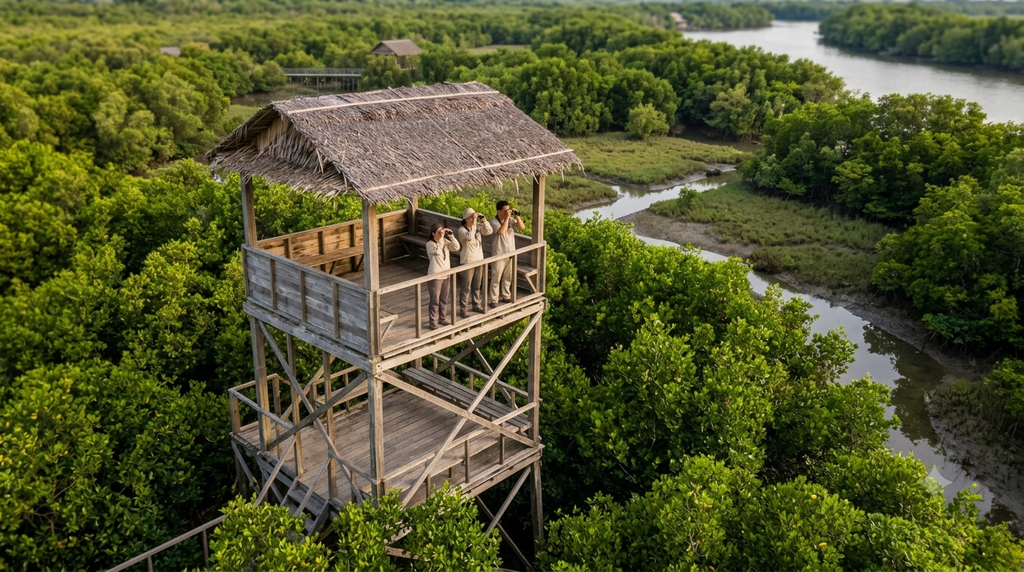
Sudhanyakhali is known for its watchtower and wildlife-viewing opportunities within the Indian Sundarbans tourism circuit. The surrounding landscape offers a glimpse of the mangrove habitat and the challenges of observing wildlife in dense vegetation.
Although tiger sightings attract considerable attention, wildlife presence varies. The experience should be approached with patience and realistic expectations.
Whether you see a large mammal or spend your time observing birds and the forest itself, remain within designated visitor areas and follow the instructions of forest personnel.
3. Dobanki: Mangroves and Canopy Views
Dobanki is associated with a canopy-walk experience in the Sundarbans tourism circuit. Where access is available, designated elevated walkways can offer a different perspective on the forest.
From above ground level, visitors may notice the structure of the vegetation and the dense green cover that makes the mangrove ecosystem so distinctive.
Availability, operating arrangements and entry conditions should be confirmed before adding Dobanki to your itinerary.
4. Village Life Around the Sundarbans
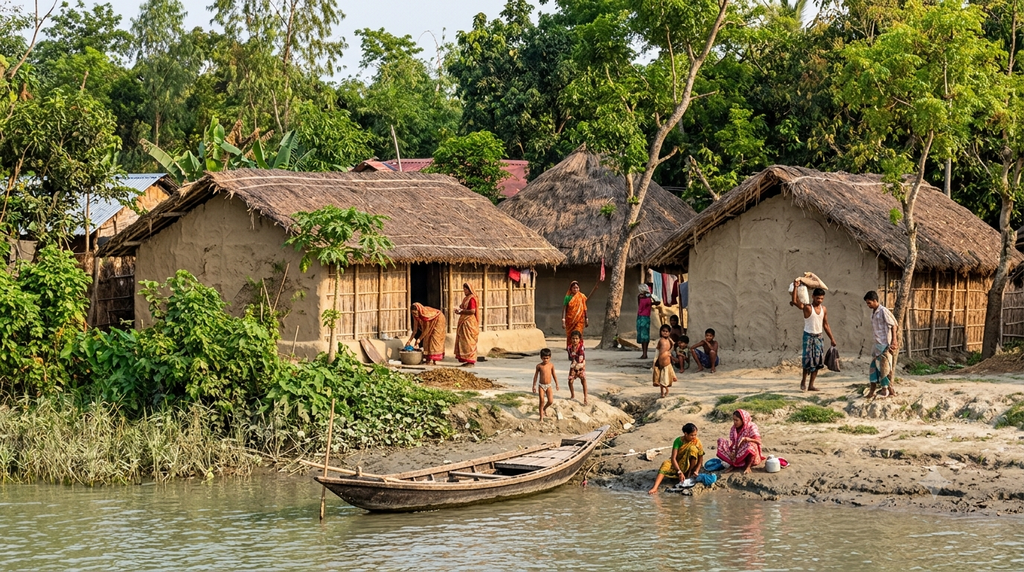
The human story of the Sundarbans is as important as its wildlife. Communities around the delta have long adapted to the challenges of living beside tidal rivers, changing shorelines and a wildlife-rich landscape.
Depending on the location and tour arrangements, you may learn about local food, fishing practices, crafts, livelihoods and conservation initiatives.
Choose community experiences that are respectful and locally led. Ask permission before photographing residents, avoid treating local life as a spectacle, and purchase crafts or services directly from local providers when possible.
5. Experience the Changing Light Over the Water
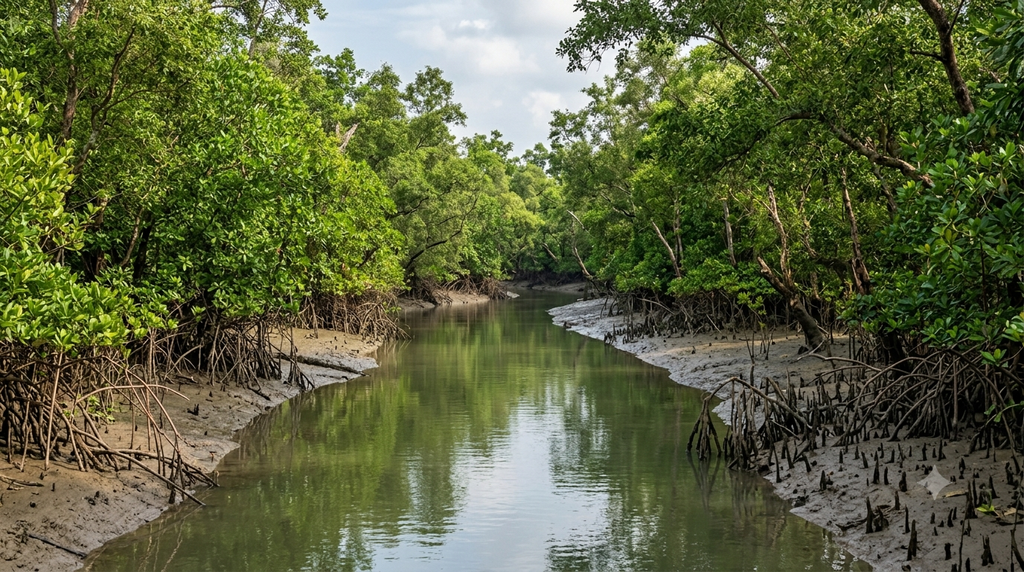
Some of the most memorable moments in the Sundarbans are not tied to a particular attraction.
Early light may reveal a soft mist above the river, while late-afternoon sunshine can turn the water golden. During a calm stretch of the journey, you may hear birds calling from the mangroves and see the tide gently changing the edges of the mudflats.
Photography is rewarding here, but the best moments often happen when you put the camera aside and observe the landscape.
Best Time to Visit the Sundarbans
The best time for a Sundarbans trip depends on your comfort with heat and humidity, your interest in birdwatching and the activities permitted during your travel dates.
The cooler months are generally preferred by many visitors because outdoor exploration can be more comfortable. However, weather, tides, visibility and wildlife activity vary, and no season guarantees tiger sightings.
October to February: A Popular Period for Travel
The cooler months are often a practical choice for exploring the Sundarbans. Temperatures are generally more comfortable than during the hotter part of the year, making boat journeys and outdoor viewing easier.
This period may also be attractive for birdwatching, although species and sightings depend on conditions.
Book accommodation and tours in advance during busy travel periods, and confirm operating schedules before departure.
March to May: Warmer Conditions
The summer months can bring considerable heat and humidity. If you travel during this period, plan for sun protection, drinking water and suitable clothing.
Ask your tour operator about departure times, ventilation and the expected length of boat journeys. Outdoor comfort can be an important consideration when spending extended periods on the water.
June to September: Monsoon Considerations
The monsoon brings seasonal rainfall and changing river conditions. Heavy rain, rough weather or operational restrictions may affect travel plans and boat movement.
This period requires particular attention to weather updates and official travel guidance. Do not assume that every route or tourism facility will operate normally.
Which Month Is Best?
For many first-time visitors, November to February is a sensible starting window to consider because of the generally cooler conditions. Nevertheless, confirm the latest local forecast, permits, boat operations and forest access before making a final decision.
How to Reach the Sundarbans from Kolkata
Kolkata is the most common major starting point for visitors exploring the Indian Sundarbans. The journey typically combines road or rail travel with boat transfers, depending on the destination and tour package.
Your precise route will depend on where your operator begins the trip and which areas are included.
Step 1: Reach Kolkata
Kolkata is connected to other major Indian cities by air, rail and road. If you are travelling from elsewhere in India, allow sufficient time for your onward transfer to the Sundarbans.
Step 2: Travel to the Tour Departure Point
Tour operators may use different departure points in the delta region. Depending on the itinerary, the road journey may take you towards locations such as Godkhali, which is commonly used as a gateway for boat-based trips.
Travel time varies with traffic, departure location and road conditions. Confirm the meeting point and transfer arrangements with your operator rather than relying on a fixed estimate.
Step 3: Continue by Boat
From the relevant departure point, the onward journey generally involves a boat transfer along the waterways. The boat route, duration and places visited depend on permits, tides, weather and the itinerary.
Before departure, clarify whether transfers are included and whether the operator arranges the necessary permits and required documentation.
Should You Book a Package or Travel Independently?
For first-time visitors, a reputable organised tour can simplify transport coordination, accommodation, boat arrangements and permitted sightseeing.
Independent planning may be possible, but you should still verify transport schedules, authorised access, safety arrangements and current forest requirements.
For a protected and environmentally sensitive destination such as the Sundarbans, convenience should never come at the expense of responsible operations.
How Many Days Do You Need in the Sundarbans?
The ideal duration depends on your interests, starting point and preferred pace.
Two Days: A Short Introduction
A two-day trip may suit travellers who want a brief experience of the waterways and mangrove scenery. Your itinerary will need to account for transfers, boat schedules and permitted activities.
This is best approached as an introduction rather than an attempt to cover every attraction.
Three Days: More Time to Explore
A three-day itinerary can provide more flexibility for boat exploration, designated viewing areas and a slower pace. It may also leave room for a community experience where appropriate arrangements are available.
Longer does not automatically mean better wildlife sightings, but additional time can make the overall experience less rushed.
A Sample Three-Day Outline
Day 1: Arrival and transfer
- Travel from Kolkata towards the designated departure point.
- Complete the onward transfer and check in to your accommodation.
- Review the next day’s itinerary and local safety guidance.
Day 2: Mangrove and wildlife exploration
- Join the scheduled boat excursion.
- Explore permitted waterways and viewing areas.
- Observe birds, mangrove habitats and other wildlife from approved locations.
Day 3: Final exploration and return
- Enjoy any additional activity included in your authorised itinerary.
- Return by boat and road according to the operator’s schedule.
- Continue to Kolkata or your next destination.
This is an illustrative outline, not a guaranteed route. Actual schedules, stops and access depend on current regulations, tides, weather and the operator’s arrangements.
Where to Stay and What to Eat
Accommodation around the Indian Sundarbans ranges from simple guesthouses to resorts and eco-oriented stays. Your best choice depends on your budget, comfort needs and the departure point for your tour.
Choosing Accommodation
When comparing places to stay, consider:
- Distance from your boat departure point
- Whether meals and transfers are included
- Availability of drinking water and essential facilities
- Clear information about waste management and environmental practices
- Safety procedures and emergency arrangements
- Reviews from recent travellers
An eco-friendly label alone does not guarantee responsible operations. Look for practical evidence of local engagement, sensible resource use and respect for the surrounding environment.
Local Food to Try
Food is another way to understand the culture of the region. Depending on the establishment and availability, visitors may encounter Bengali dishes such as rice, dal, seasonal vegetables, fish preparations and traditional sweets.
Seafood may be offered at some establishments, but sourcing and availability vary. If you have dietary restrictions or allergies, inform your host or operator before meals are prepared.
Enjoy local cuisine while avoiding unnecessary food waste, particularly in places where supplies and waste-management facilities may be limited.
Responsible Travel in the Sundarbans
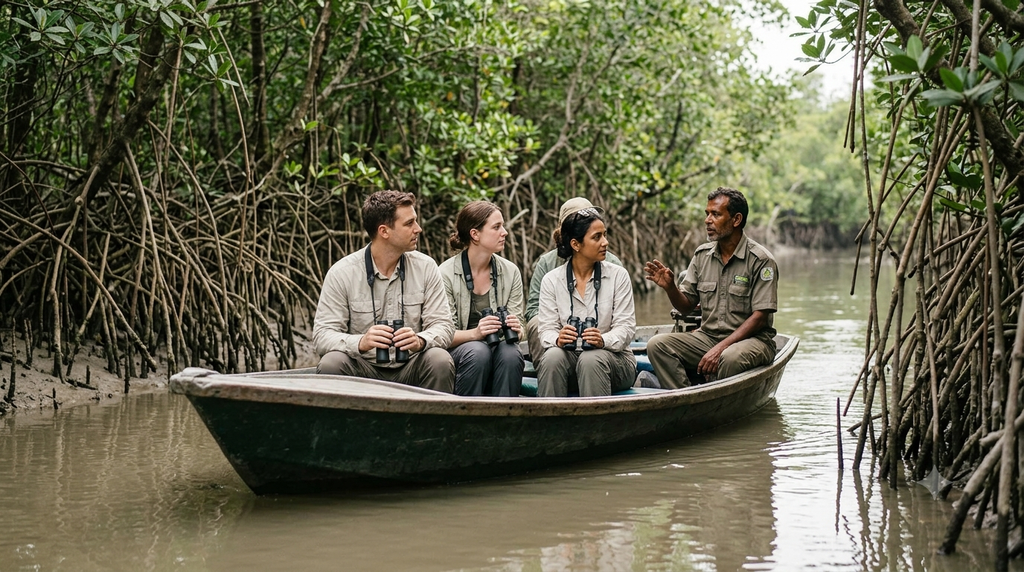
The Sundarbans is both a remarkable wildlife destination and a fragile ecosystem. Responsible travel helps protect its habitats and supports the communities living around it.
Follow Forest and Boat Safety Rules
The forest is a protected environment, and access is controlled. Use authorised operators, follow forest department instructions and remain within permitted areas.
Never attempt to enter restricted forest areas independently, leave designated visitor zones or approach wildlife for a closer photograph.
Keep the Waterways Clean
Plastic waste and other litter can harm wildlife and contaminate sensitive habitats. Carry reusable items where practical, secure all waste on the boat and dispose of it only through appropriate facilities.
Do not throw food, wrappers or other materials into rivers or creeks.
Observe Wildlife Without Disturbing It
Avoid loud noises, flash photography where prohibited and any attempt to feed or attract animals. Do not pressure guides or boat operators to approach wildlife simply to obtain a photograph.
A respectful distance protects both animals and visitors.
Support Local Communities
Choose legitimate local businesses, follow community guidance and pay fairly for services. If visiting villages, respect privacy and cultural norms.
Where appropriate, ask your guide how tourism supports local livelihoods and conservation efforts.
Understand the Conservation Challenges
The Sundarbans faces environmental pressures, including coastal erosion, changing salinity, extreme weather and the wider effects of climate change. Its mangroves help protect coastlines, but they are not immune to these pressures.
Learning about these challenges can add meaning to your visit and encourage a deeper appreciation of conservation.
What to Pack for a Sundarbans Trip
Packing for a mangrove destination requires a balance of comfort, sun protection and practical preparation.
Consider bringing:
- Lightweight, breathable clothing
- A hat or cap and sunglasses
- Sunscreen suitable for your needs
- Comfortable footwear for designated visitor areas
- Binoculars for birdwatching
- A camera with a secure strap
- A reusable water bottle, where permitted and practical
- Insect repellent suitable for your needs
- Any personal medication
- A compact rain jacket during seasons when rain is possible
- Waterproof protection for phones and other electronics
- Identification and any documents required by your tour operator
Follow the operator’s guidance on luggage, food, drinking water and items permitted in protected areas. Keep valuables secured during transfers and boat travel.
Why a Journey to the Sundarbans Stays With You
The Sundarbans does not reveal everything at once. Its appeal lies in the details: a bird lifting from a branch, a crocodile resting at a distance, the patterns of roots exposed by the tide or the changing light over a quiet river.
The possibility of encountering a Royal Bengal tiger adds a sense of anticipation, but the experience is larger than a single sighting.
Here, nature asks visitors to be patient. The waterways determine the rhythm of the day, the mangroves shape what can be seen, and the lives of local communities reveal another dimension of the landscape.
For travellers accustomed to crowded attractions and tightly packed itineraries, the Sundarbans can offer a different kind of journey—one defined by observation, learning and respect for a living ecosystem.
It is also a reminder that some of India’s most extraordinary natural destinations require careful protection to remain healthy for future generations.
Discover Meaningful Nature Journeys with BlueJay Explorations
Every destination offers a different way to connect with the world. In the Sundarbans, that connection begins with its mangrove forests, tidal rivers and extraordinary relationship between wildlife and people.
With thoughtful planning, the right local arrangements and a responsible approach, your journey can become more than a sightseeing trip. It can be an opportunity to appreciate India’s natural heritage and the importance of protecting it.
Explore more travel inspiration and meaningful experiences with BlueJay Explorations.
Visit BlueJay Explorations to discover travel experiences and plan journeys that bring you closer to the places, people and landscapes that make travel memorable.
Discover the World. Experience the Extraordinary
Frequently Asked Questions About the Sundarbans
1. Is the Sundarbans worth visiting?
Yes. The Sundarbans is worth considering for its mangrove ecosystem, boat-based exploration, birdlife, conservation significance and distinctive landscape. It is particularly appealing to travellers interested in nature rather than guaranteed wildlife sightings.
2. Can tourists see Royal Bengal tigers in the Sundarbans?
Tiger sightings are possible but never guaranteed. The dense mangroves and waterways make observation challenging. Visitors should enjoy the wider wildlife and landscape experience rather than expect a close encounter.
3. What is the best time to visit the Sundarbans?
The cooler months, particularly November to February, are a popular choice for many visitors. Always check current weather, boat operations and forest access before travelling.
4. How many days are enough for the Sundarbans?
Two days may provide a short introduction, while three days can allow a more relaxed experience. The ideal duration depends on your starting point, itinerary and the activities permitted during your visit.
5. Is a boat safari available in the Sundarbans?
Boat-based exploration is a central part of the visitor experience in the Indian Sundarbans. Routes and stops depend on authorised operations, permits, tides, weather and current forest rules.
6. How do I reach the Sundarbans from Kolkata?
Most visitors travel from Kolkata by road or rail connections to a designated departure point, then continue by boat. The exact route depends on the tour and the areas included.
7. Are children and older travellers able to visit the Sundarbans?
It may be suitable for many families and older travellers, but the trip involves transfers, boat travel, heat and potentially limited facilities. Check the specific itinerary, safety arrangements and accessibility with the operator before booking.
8. What should I wear on a Sundarbans trip?
Lightweight, breathable clothing, comfortable footwear, sun protection and rain protection when appropriate are useful. Follow your operator’s guidance on clothing and equipment for the planned activities.
9. Is the Sundarbans safe for tourists?
Visitors should travel through authorised operators, follow forest and boat safety instructions, remain in permitted areas and avoid approaching wildlife. Conditions and access can change, so check current guidance before departure.
10. What makes the Sundarbans different from other wildlife destinations in India?
The Sundarbans is distinguished by its tidal mangrove ecosystem and extensive network of waterways. Much of the visitor experience takes place by boat, with wildlife observation shaped by the dense vegetation and changing tides.
11. Is the Sundarbans located only in India?
No. The wider Sundarbans mangrove region extends across India and Bangladesh. This guide focuses on the Indian Sundarbans in West Bengal.
12. How can travellers help protect the Sundarbans?
Use authorised operators, follow protected-area rules, avoid littering, never feed wildlife, respect local communities and choose responsible tourism services. Small choices can help reduce the impact of travel on a sensitive ecosystem.
Final Thoughts: Discover the Wild Heart of the Sundarbans
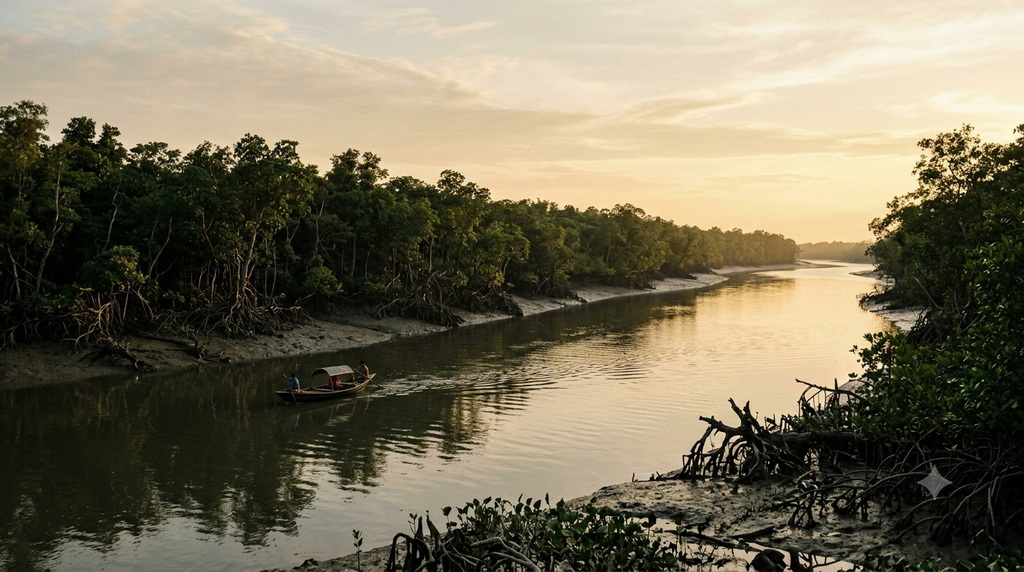
The Sundarbans is a destination of remarkable contrasts: dense mangroves and open waterways, fragile habitats and powerful wildlife, quiet landscapes and communities shaped by the tides.
A thoughtful visit offers the chance to understand this environment beyond its famous tiger. It reveals the importance of mangroves, the diversity of life supported by the delta and the responsibilities that come with exploring protected natural areas.
Use this Sundarbans travel guide to plan carefully, choose authorised local arrangements and leave the forest as undisturbed as possible.
You may return without seeing a tiger. But with time spent on the waterways and an appreciation of the mangrove ecosystem, you can still leave with a deeper understanding of one of India’s most extraordinary natural landscapes.
Discover the World. Experience the Extraordinary
🌍Explore More
Explore the untamed beauty of the Sundarbans, a remarkable wilderness shaped by rivers, tides, and ancient mangrove forests. From spotting wildlife along secluded waterways to experiencing breathtaking natural landscapes, discover a destination where adventure meets tranquillity and every turn reveals another story of life in the wild.
🌍 Explore More: BlueJay Explorations
📖 Read more travel stories: TravelAnecdotes.com
📸 Follow the journey on Instagram
👍 Follow us on Facebook
🎥 Watch cinematic travel stories on YouTube