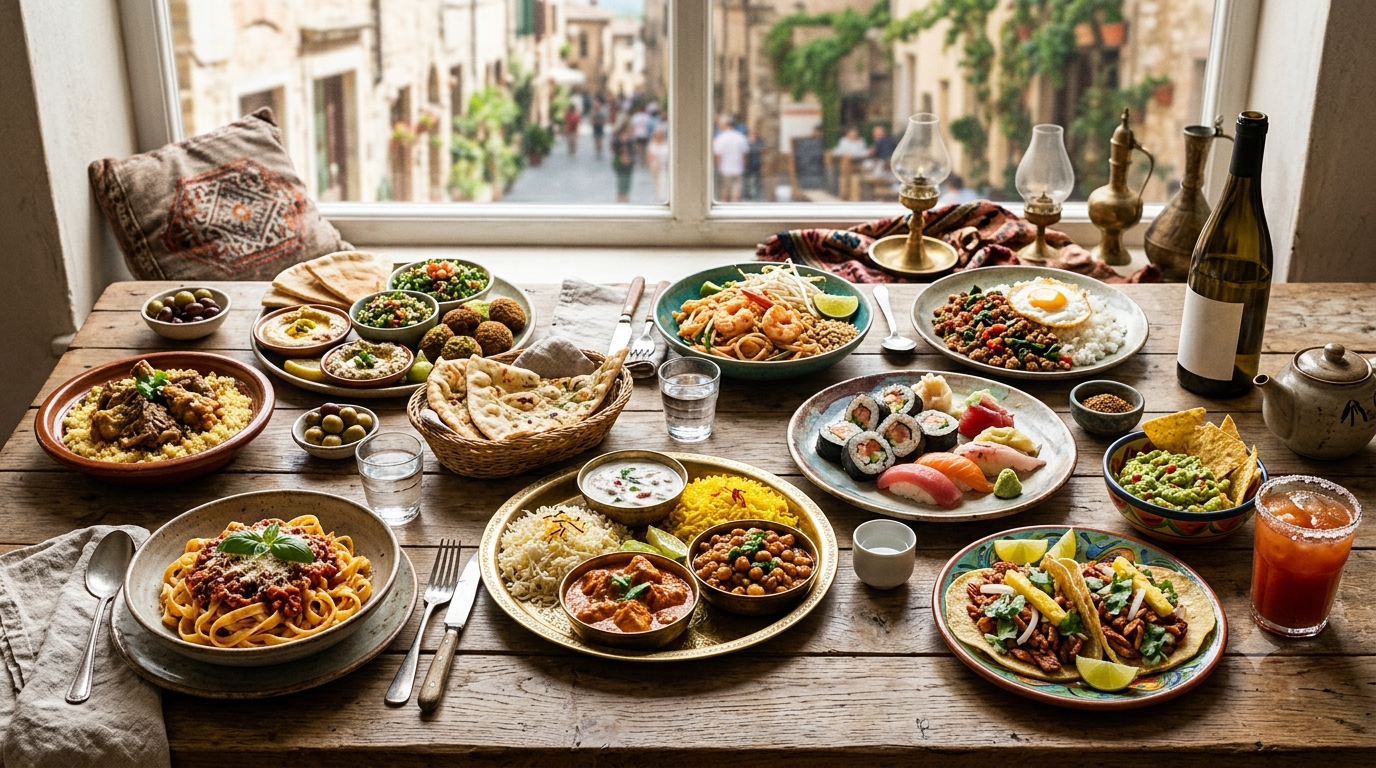
Flavours of the World: A Journey Through Global Cuisine
Travel is often remembered through the places we visit, the people we meet, and the stories we collect along the way. But some of our most vivid travel memories begin with a simple experience: tasting something new.
It might be a plate of freshly made pasta in a small Italian restaurant, a steaming bowl of ramen in Japan, fragrant street food in Thailand, or a traditional Indian meal served with recipes passed down through generations. Every dish tells a story about its land, its people, and the traditions that have shaped it.
Global cuisine is more than a collection of recipes. It is a journey through culture, history, geography, and human connection. Exploring the food of different countries allows travellers to experience destinations in a personal and memorable way.
For food lovers, the world is an open invitation to explore—one meal, one market, and one local conversation at a time.
Why Global Cuisine Is More Than Just Food
Food is closely connected to the way people live. Climate influences the ingredients available in a region, geography shapes farming and fishing traditions, and history introduces new spices, cooking methods, and culinary influences.
A dish may represent a family celebration, a religious festival, a seasonal harvest, or an everyday meal shared with neighbours. In many communities, recipes are preserved through generations, keeping local identity alive even as lifestyles change.
Culinary travel gives visitors an opportunity to understand these connections. Instead of simply ordering a famous dish, travellers can discover where its ingredients come from, how it is prepared, and why it matters to the people who make it.
Local markets, family-run restaurants, traditional bakeries, food festivals, and cooking classes often provide experiences that a standard sightseeing itinerary cannot offer.
The most rewarding food journeys are not necessarily the most expensive. Sometimes, an ordinary breakfast or a conversation with a local cook becomes the experience that stays with us longest.
Italy: The Art of Enjoying Every Bite
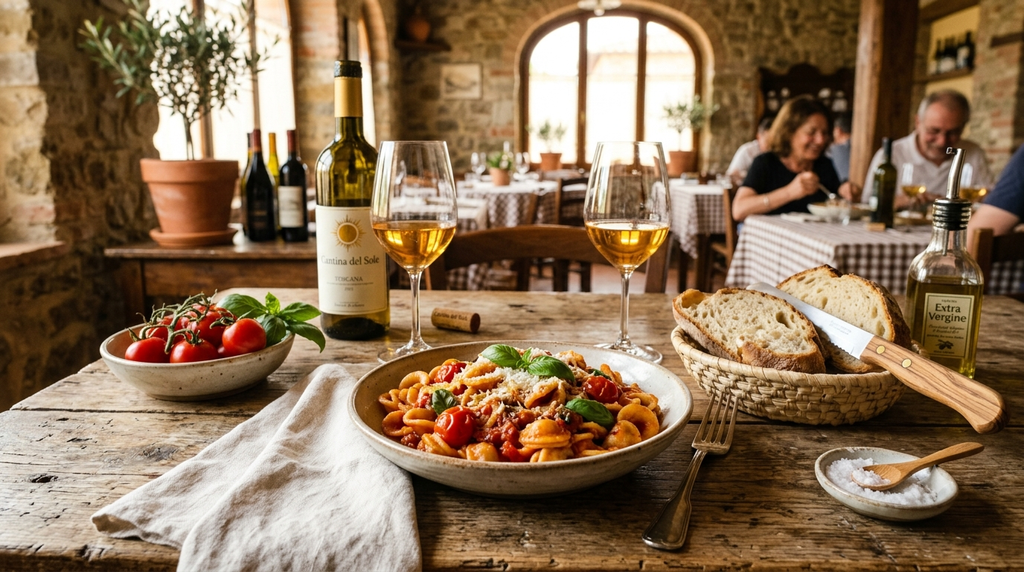
Italian cuisine demonstrates how simple ingredients can become extraordinary when combined with regional knowledge, quality produce, and a respect for tradition.
From fresh pasta and wood-fired pizza to risotto, regional cheeses, olive oil, and seasonal desserts, Italy offers a remarkable variety of food experiences. Recipes and ingredients vary considerably between regions, making each journey an opportunity to discover a different culinary identity.
In Bologna, travellers can explore the traditions of fresh pasta and rich regional sauces. Naples is closely associated with pizza, while coastal communities offer seafood shaped by their relationship with the Mediterranean. Across the country, local markets reveal seasonal vegetables, cheeses, breads, and other regional specialties.
But Italian food culture is not only about what appears on the plate. Meals often create space for conversation, family, and friendship. A relaxed lunch at a neighbourhood trattoria can feel just as meaningful as dining at a celebrated restaurant.
Travel tip: Look for regional dishes rather than ordering the same internationally famous Italian meals everywhere. Ask restaurant staff what is seasonal or traditionally prepared in that area.
India: A World of Flavours Within One Country
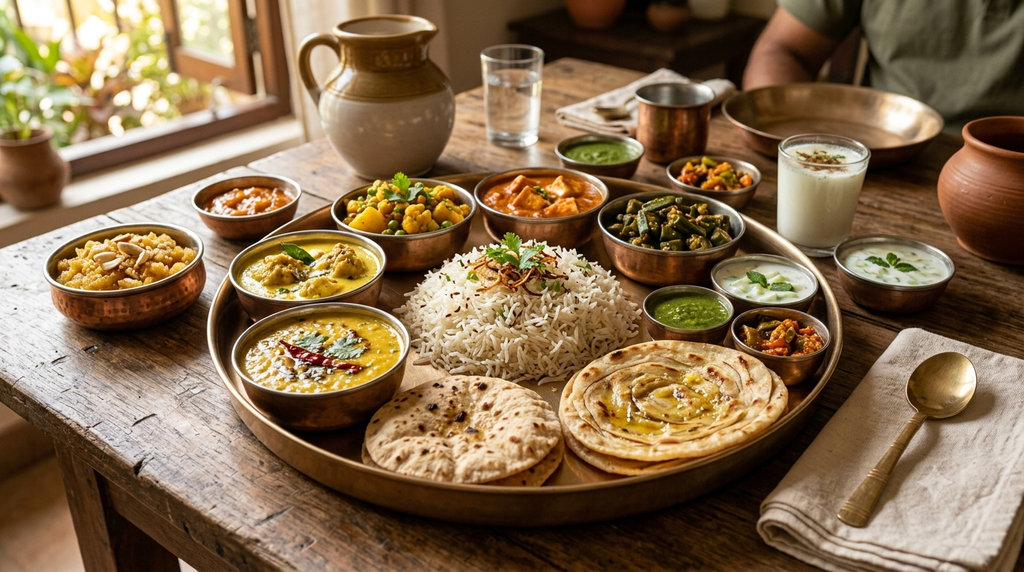
India is one of the most diverse destinations for culinary travel. Its food traditions reflect different climates, agricultural practices, cultural histories, religious customs, and regional ingredients.
In the north, travellers may encounter tandoori preparations, fragrant rice dishes, rich gravies, stuffed breads, and warming lentil recipes. Southern India is known for a wide range of rice-based dishes, dosas, idlis, sambars, coconut-based preparations, and distinctive spice combinations.
Western India offers everything from Gujarati thalis and Maharashtrian snacks to coastal seafood traditions. Eastern India introduces visitors to regional fish preparations, rice dishes, sweets, and distinctive mustard-based flavours.
Street food adds another dimension to this culinary landscape. Mumbai’s vada pav, Delhi’s chaat, Kolkata’s kathi rolls, Hyderabad’s biryani, and countless regional specialties reveal how food changes from city to city.
For travellers, a traditional thali can be an excellent introduction to several flavours in one sitting. Visiting a local market or joining a reputable cooking class can also help explain the ingredients and techniques behind familiar dishes.
India’s food culture also reflects the importance of dietary customs. Vegetarian traditions are widespread in many communities, while halal, Jain, and other dietary preferences may shape local menus and preparation methods.
Travel tip: Explore food region by region instead of treating Indian cuisine as one uniform style. If you are unsure about ingredients, spice levels, allergens, or preparation methods, ask before ordering.
For more inspiration, read our planned companion feature, Mumbai Street Food Guide: A Delicious Journey Through the City of Dreams, once its published link is available.
Japan: Balance, Seasonality, and Craftsmanship
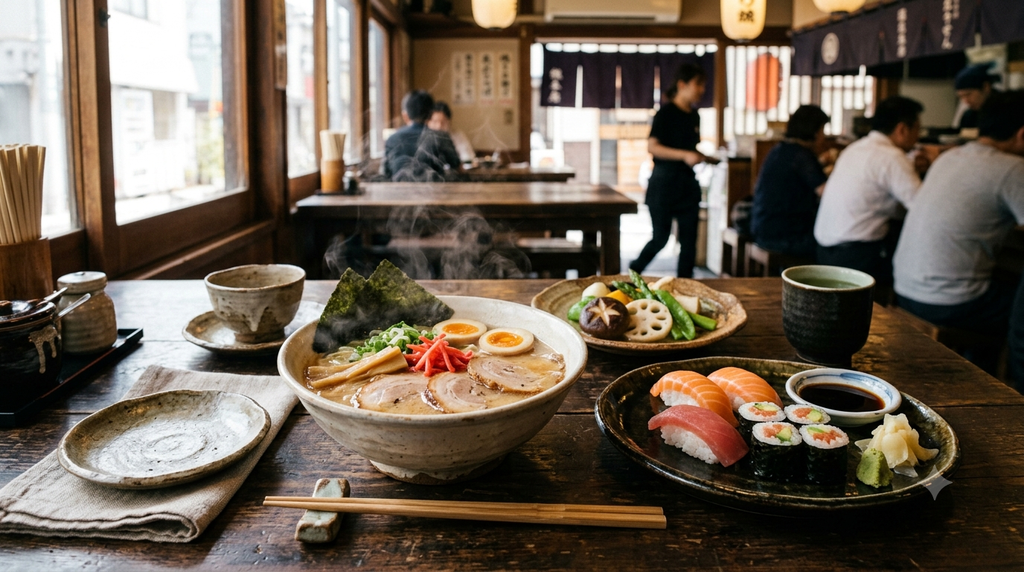
Japanese cuisine offers a different perspective on the relationship between food, season, and presentation. Many traditional meals emphasize balance, careful preparation, and respect for the natural character of ingredients.
Sushi is among Japan’s best-known culinary exports, but the country’s food culture extends far beyond it. Ramen shops serve regional styles of noodle soup, soba and udon offer distinct textures and preparations, while tempura showcases the delicate technique of frying ingredients in a light coating.
Seasonality is an important part of many Japanese food traditions. Menus may change according to the ingredients available at different times of the year. Local specialities also vary between regions, giving travellers a reason to explore beyond the best-known urban centres.
Food markets, small restaurants, tea experiences, and carefully guided cooking workshops can offer insight into the craftsmanship behind Japanese cuisine.
Presentation can be as important as taste. The arrangement of a meal may reflect colour, texture, proportion, and the season in which it is served.
Travel tip: Try regional specialities and observe local dining customs. When visiting a small restaurant, follow the establishment’s guidance on ordering, seating, and etiquette.
Thailand: Bold Flavours and Vibrant Street Food
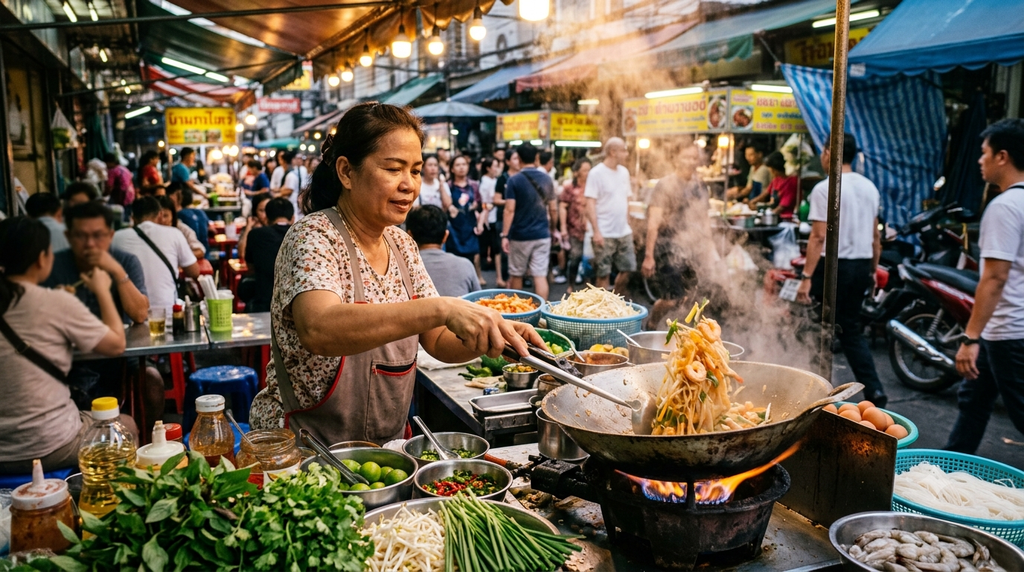
Thailand is an exciting destination for travellers who enjoy the interplay of sweet, sour, salty, spicy, and savoury flavours.
Its culinary identity includes dishes such as pad Thai, tom yum soup, green curry, som tam, and mango sticky rice. Yet Thai cuisine is not one single flavour profile. Northern, northeastern, central, and southern regions have their own ingredients, techniques, and food traditions.
Street markets are an important part of the experience. Stalls may serve freshly prepared noodles, grilled skewers, soups, fruit, sweets, and regional snacks. The sound of sizzling pans, the aroma of herbs, and the sight of ingredients being prepared in front of customers make food exploration an experience for all the senses.
Markets can also reveal everyday life. Residents stop for breakfast, families buy ingredients, and vendors prepare recipes they may have been making for years.
Travellers should remember that popular street food is not automatically suitable for every diet or level of spice tolerance. Ingredients and preparation practices vary between vendors.
Travel tip: Choose busy stalls where food is cooked thoroughly and served hot. Mention allergies clearly, and ask about fish sauce, shrimp paste, peanuts, or other ingredients when relevant.
Mexico: Heritage Served on a Plate
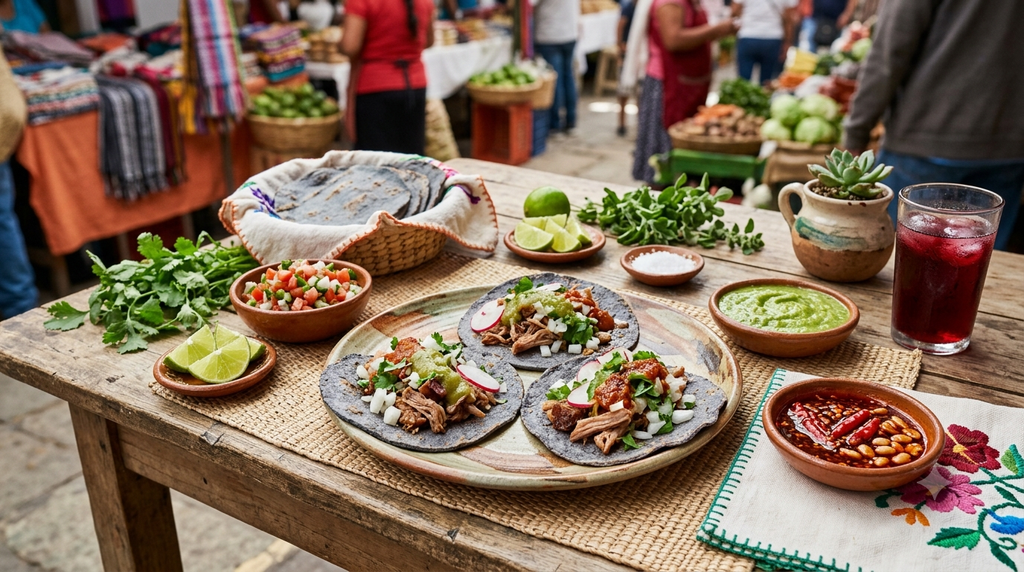
Mexican cuisine is shaped by Indigenous food traditions, regional agriculture, and centuries of cultural exchange. Corn, beans, chillies, tomatoes, avocados, and herbs form the foundation of many dishes, although ingredients and preparations differ widely across the country.
Tacos are internationally famous, but they represent only one part of Mexico’s culinary diversity. Tamales, regional moles, pozole, fresh salsas, grilled specialities, and local sweets each tell a different story.
Corn has particular cultural importance. Traditional methods of preparing maize have supported foodways and community practices across generations. Markets and local eateries help travellers discover the many ways corn is transformed into everyday meals and celebratory dishes.
Mexico’s regional variety is especially rewarding for food-focused travellers. Coastal communities offer seafood traditions, while inland regions have their own signature sauces, stews, breads, and festive preparations.
Eating locally can also help visitors understand how food connects to family gatherings, public celebrations, and local identity.
Travel tip: Ask which dishes are associated with the region you are visiting. A small local restaurant may offer a more distinctive experience than a menu designed mainly around international expectations.
France: Markets, Bread, and the Pleasure of Dining
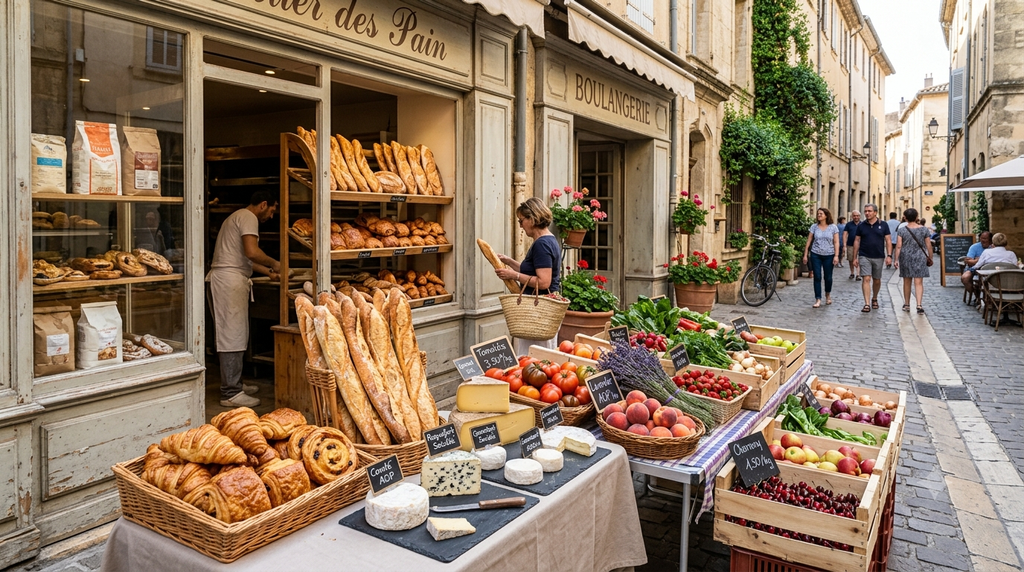
French food culture is often associated with artisan bread, pastries, cheese, sauces, and carefully prepared meals. Yet its character changes from region to region, shaped by local agriculture, landscapes, and culinary traditions.
A morning visit to a bakery may introduce travellers to crusty baguettes, buttery croissants, or regional pastries. Markets offer seasonal fruit and vegetables, cheeses, breads, seafood, and products made by local producers.
Beyond the well-known restaurants of Paris, travellers can explore regional specialities in smaller towns and countryside communities. Coastal areas, farming regions, and mountain destinations each contribute their own ingredients and dishes.
Food in France can also be a lesson in slowing down. Taking time to enjoy a meal, visiting a neighbourhood market, or learning about a regional cheese can turn an ordinary day into a meaningful cultural experience.
Travel tip: Visit a local market early in the day, ask vendors about regional products, and leave room in your itinerary for a bakery, café, or neighbourhood restaurant.
Middle Eastern Cuisine: Hospitality, Sharing, and Tradition
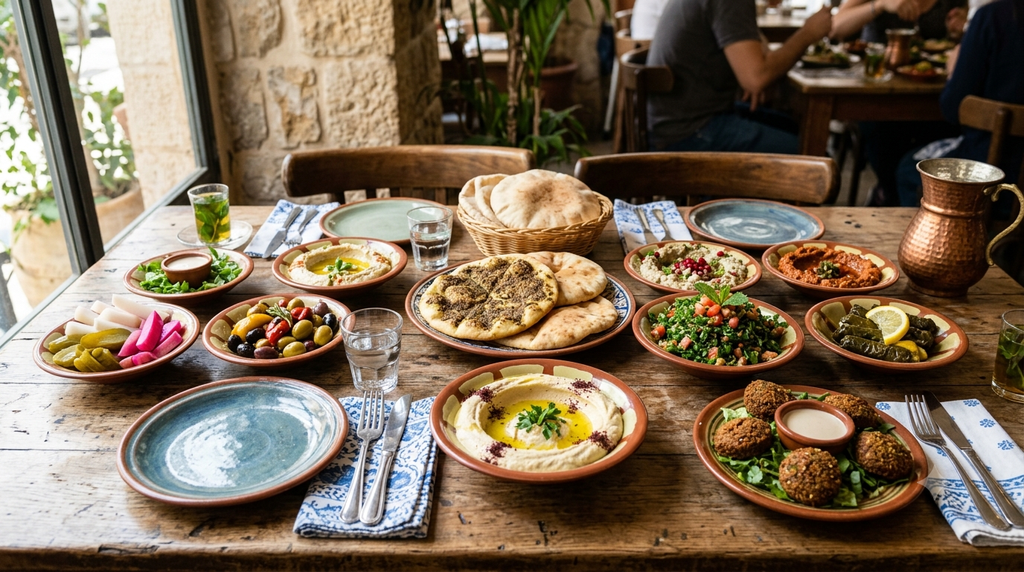
Across the Middle East, food traditions reflect diverse communities, landscapes, and histories. Although cuisines vary considerably between countries and regions, hospitality and shared meals are important in many local food cultures.
Mezze may include hummus, dips, salads, olives, pickles, flatbreads, and other small dishes designed for sharing. Grilled meats, rice dishes, legumes, stuffed vegetables, fragrant spices, and sweets add further variety.
Markets and bakeries are particularly rewarding places to explore. Fresh flatbreads, spice blends, dates, nuts, and pastries offer a glimpse into ingredients that have long been part of regional trade and everyday cooking.
Travellers may also discover how the same broad dish category changes across borders. Ingredients, seasoning, names, and preparation methods can differ significantly, so it is worth asking local cooks and vendors about the version being served.
Travel tip: Be open to sharing-style meals and local customs. If you have dietary restrictions, confirm ingredients carefully, especially in dishes that may contain nuts, dairy, sesame, or animal products.
Africa and Latin America: Discovering Regional Food Stories
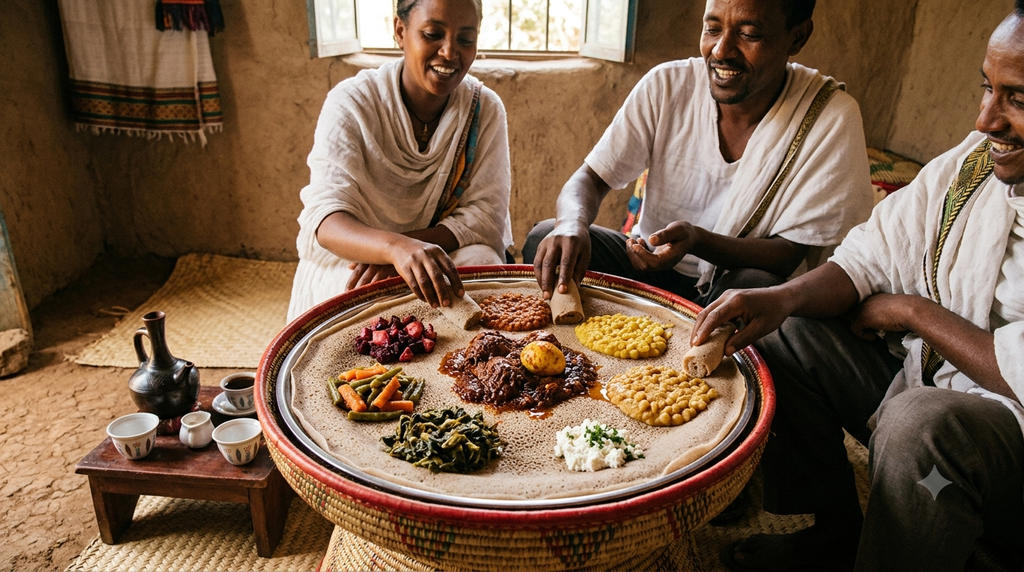
Africa and Latin America contain extraordinary culinary diversity that cannot be represented by a single dish or cooking style.
In Ethiopia, injera—a fermented flatbread—often serves as the base for an assortment of stews and vegetable dishes. Sharing food from a common platter can be an important part of the dining experience, although customs vary between households and settings.
Across other African regions, travellers may encounter millet, sorghum, cassava, plantains, beans, grilled foods, leafy vegetables, and richly seasoned stews. Local markets reveal how communities use ingredients suited to their climate and agricultural traditions.
In Peru, the meeting of Andean ingredients, coastal seafood, and influences from different communities has created a diverse food culture. Potatoes, maize, chillies, and seafood feature in many regional preparations, while local markets introduce visitors to ingredients that may be unfamiliar elsewhere.
Latin American cuisines more broadly include everything from corn-based dishes and slow-cooked stews to grilled specialities, fresh salsas, and regional desserts. Recipes vary greatly by country and locality.
The best way to understand these cuisines is to travel with curiosity rather than assumptions. Speak with local guides, explore neighbourhood markets respectfully, and learn the story behind the ingredients.
Travel tip: Choose locally owned food experiences where possible, and ask permission before photographing people, vendors, or their work.
Street Food Around the World: A Taste of Everyday Life
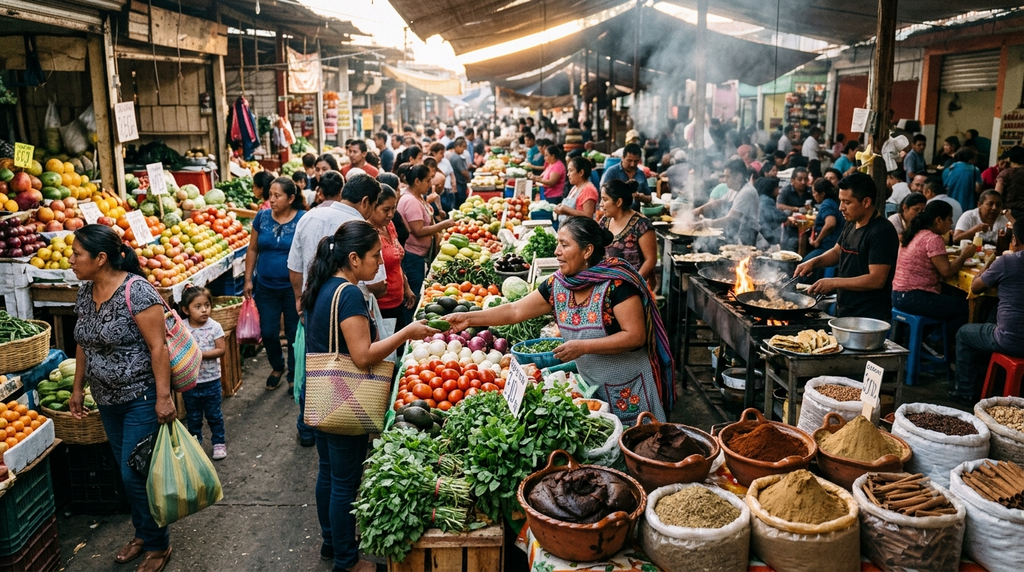
Street food is one of the most accessible ways to explore global cuisine. It often reflects local routines, affordable ingredients, regional preferences, and recipes adapted for busy city life.
From Indian chaat and Thai noodles to Mexican tacos and Middle Eastern flatbreads, street food connects travellers with the everyday rhythm of a destination. A market or food street can reveal what people eat before work, during a break, or on the way home.
However, a memorable street-food experience should also be a sensible one. Food safety standards and conditions vary, so travellers should make informed choices.
Look for vendors with a steady flow of customers, observe how ingredients are handled, and favour food cooked thoroughly and served hot. Pay attention to refrigeration, cleanliness, and whether raw and cooked ingredients are kept separate.
People with severe food allergies or specific medical dietary requirements should take extra precautions and communicate restrictions clearly. When language is a barrier, a translated allergy card can be useful.
Travel tip: Rather than trying to sample everything in one evening, choose a few dishes and take time to learn what makes each one distinctive.
How to Experience Authentic Local Cuisine While Travelling
A food-focused trip does not need to be expensive or complicated. A little planning can help you discover more than the restaurants listed in standard tourist guides.
Visit local markets
Markets introduce travellers to seasonal produce, regional ingredients, snacks, spices, and daily shopping habits. Visit respectfully, ask before taking photographs, and consider purchasing something from small vendors.
Try regional specialities
Look beyond internationally famous dishes. Ask a local guide, host, or restaurant owner which meals are closely associated with the destination.
Join a cooking class
A well-run cooking class can explain ingredient selection, preparation techniques, and the cultural background of a dish. It can also help travellers appreciate the time and knowledge involved in traditional cooking.
Eat where local residents eat
Neighbourhood cafés and family-run restaurants may offer distinctive regional experiences. Use recent reviews as one source of information, but also consider cleanliness, clear pricing, and whether the menu suits your needs.
Learn a few food-related phrases
Knowing how to say “please,” “thank you,” “vegetarian,” or “I have a food allergy” in the local language can make food experiences smoother and more respectful.
Keep a food journal
Record the dishes you try, where you found them, their ingredients, and what you learned about the culture. With permission, photographs can help preserve the memory of the experience.
Respect local customs
Dining etiquette varies. Some communities eat with their hands, some have specific rules about seating or serving, and others have customs linked to religion or hospitality. Observe your surroundings and follow your host’s guidance.
Responsible and Sustainable Food Tourism
Culinary travel can support local communities when travellers make thoughtful choices. Spending money at local markets, independent restaurants, community food projects, and small-scale producers can help keep regional food traditions economically meaningful.
Responsible food tourism also involves understanding where ingredients come from and how they are produced. Seasonal foods and locally sourced ingredients may reduce some transport needs, although sustainability depends on farming practices, storage, and supply chains as well.
Travellers can make a positive difference by avoiding unnecessary food waste, carrying reusable items where practical, respecting wildlife and protected environments, and following local rules about food sourcing.
Traditional recipes should also be approached with respect. Food is part of living culture, and a dish may have religious, historical, or community significance beyond its popularity with visitors.
The aim is not to treat a destination as a menu of experiences to consume, but to learn from the people who keep its food culture alive.
Let Every Meal Become a Travel Memory
The world’s cuisines offer countless ways to discover the character of a place. A handmade pasta dish, a bowl of noodles, a regional Indian meal, a market snack, or a traditional shared platter can reveal something about local history, ingredients, and everyday life.
The most memorable culinary journeys are not necessarily defined by famous restaurants or expensive tasting menus. They are often shaped by curiosity: asking a question, trying a regional speciality, visiting a market, or listening to someone explain a family recipe.
Whether you are planning an international holiday or exploring a new city closer to home, let food become part of the journey. Taste thoughtfully, respect local traditions, and remain open to the stories behind every meal.
Plan Your Next Journey with BlueJay Explorations
Every destination has a story, and food is one of the most rewarding ways to discover it. From regional food trails and vibrant markets to cultural experiences and local traditions, culinary exploration can make travel more meaningful.
With BlueJay Explorations, discover journeys that bring you closer to the places, people, and experiences that make every destination unique.
Visit BlueJay Explorations and begin planning your next adventure.
Taste the World. Discover Its Stories.
Frequently Asked Questions
What is global cuisine?
Global cuisine refers to the wide range of food traditions, ingredients, cooking techniques, and dishes found across different countries and cultures. It includes regional specialities, traditional home cooking, street food, and contemporary interpretations of local dishes.
Which countries are popular for culinary travel?
Italy, India, Japan, Thailand, Mexico, and France are popular choices for food-focused travel. However, memorable culinary experiences can be found across Africa, the Middle East, Latin America, and many other regions. The right destination depends on your interests and dietary needs.
How can I experience authentic local food while travelling?
Visit local markets, try regional specialities, join a reputable cooking class, seek out neighbourhood restaurants, and ask local residents or guides for recommendations. Be respectful of local customs and take time to learn about the food you are eating.
Is street food safe for travellers?
Street food can be a rewarding experience, but safety varies by vendor and location. Prefer food cooked thoroughly and served hot, observe food-handling practices, and take extra care with allergies, raw ingredients, and food stored without appropriate temperature control.
What is culinary tourism?
Culinary tourism is travel in which food and drink are an important part of discovering a destination. It can include market visits, regional food trails, cooking classes, food festivals, farm visits, and meals that introduce travellers to local culture.
Why is food important in understanding a culture?
Food reflects a region’s environment, agriculture, history, religious practices, trade, and social customs. Exploring local dishes can help travellers understand how people live and how traditions are shared across generations.
How can I make my food-focused trip more sustainable?
Support local businesses where possible, choose seasonal foods when practical, avoid unnecessary food waste, respect cultural traditions, and follow local rules about wildlife, protected areas, and food sourcing.
🌍Explore More
“Discover the World Through Its Flavours.”
Embark on a delicious journey through the world’s diverse culinary landscapes, where every dish tells a story and every flavour reveals a cultural tradition. From vibrant street-food stalls and hidden local eateries to authentic regional specialities and age-old family recipes, explore the tastes that make each destination unique. Savour new experiences, uncover culinary secrets, and connect with local cultures through the universal language of food, because the most memorable journeys are often the ones we can taste.
🌍 Explore More: BlueJay Explorations
📖 Read more travel stories: TravelAnecdotes.com
📸 Follow the journey on Instagram
👍 Follow us on Facebook
🎥 Watch cinematic travel stories on YouTube