Ranthambore National Park Travel Guide: The Ultimate Tiger Safari Adventure in Rajasthan
Introduction
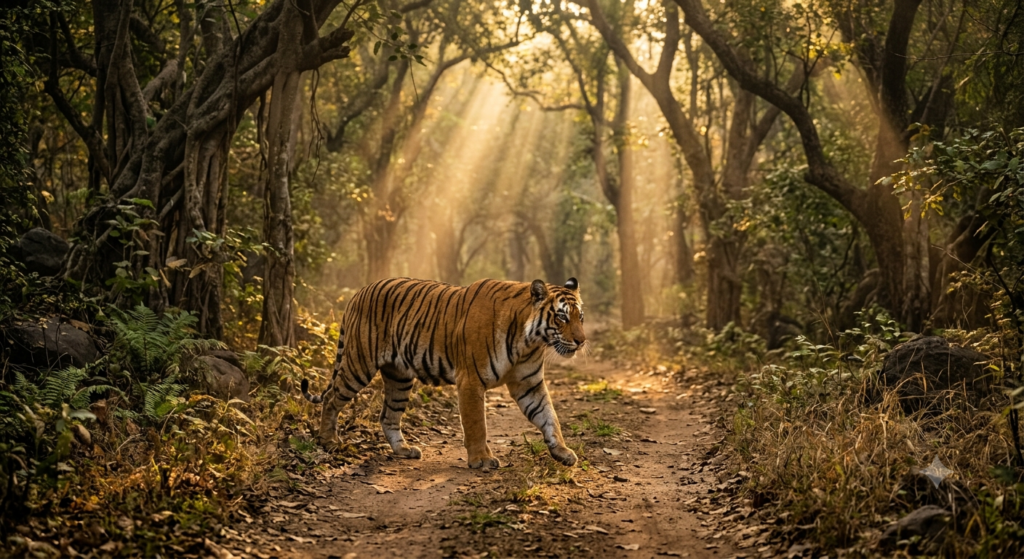
Ranthambore National Park Travel Guide takes you deep into one of India’s most celebrated wildlife sanctuaries, where ancient ruins, dense forests, tranquil lakes, and majestic Bengal tigers come together to create an unforgettable safari experience. Located in the Sawai Madhopur district of Rajasthan, Ranthambore National Park is among the best places in the world to observe wild tigers in their natural habitat.
Once the private hunting grounds of the Maharajas of Jaipur, Ranthambore has transformed into a globally renowned wildlife destination under Project Tiger, attracting nature lovers, photographers, conservationists, and adventure seekers from around the world.
Beyond its famous tiger population, the park is home to leopards, sloth bears, striped hyenas, marsh crocodiles, jackals, sambars, chitals, nilgai, and over 300 species of birds, making it one of India’s richest biodiversity hotspots.
What makes Ranthambore truly unique is its dramatic landscape. Ancient banyan trees, rocky cliffs, open grasslands, freshwater lakes, and the imposing Ranthambore Fort create a cinematic backdrop unlike any other national park in India.
Whether you’re planning your first tiger safari or returning in search of the perfect wildlife photograph, this guide covers everything you need—from safari booking and park zones to travel tips, accommodation, nearby attractions, and the best time to visit.
Why Ranthambore National Park Should Be on Every Wildlife Lover’s Bucket List
Few wildlife destinations combine history, biodiversity, and thrilling tiger encounters as spectacularly as Ranthambore National Park.
Unlike dense tropical forests where wildlife often remains hidden, Ranthambore’s open terrain significantly improves the chances of spotting animals, particularly the elusive Bengal tiger. This makes it one of India’s most rewarding safari destinations for both first-time visitors and experienced wildlife enthusiasts.
The park’s scenic beauty is equally captivating. Ancient ruins hidden among forests, calm lakes reflecting the Aravalli and Vindhya hills, and centuries-old temples create an extraordinary landscape where nature and history coexist.
One of India’s Best Places to Spot Bengal Tigers
Ranthambore has earned international recognition for its healthy population of Bengal tigers and the relatively high probability of sightings during safari drives.
Many of the park’s tigers have become famous worldwide through wildlife documentaries and photography, with legendary tigresses such as Machli, often referred to as the “Queen of Ranthambore,” bringing global attention to the reserve.
Patience, silence, and a knowledgeable safari guide greatly enhance the chances of witnessing these magnificent predators in the wild.
A Landscape Rich in History
Unlike many wildlife reserves, Ranthambore seamlessly blends natural beauty with historical heritage. The UNESCO-recognized Ranthambore Fort, ancient temples, abandoned hunting lodges, and stone structures scattered throughout the park provide a fascinating glimpse into Rajasthan’s royal past.
This unique combination of wildlife and heritage creates a safari experience unlike any other in India.
A Photographer’s Paradise
Every safari presents countless photographic opportunities, from dramatic tiger portraits and colorful birdlife to mist-covered lakes and golden sunsets illuminating ancient ruins.
Professional photographers often consider Ranthambore one of the finest wildlife photography destinations in Asia.
History of Ranthambore National Park
The forests of Ranthambore once served as the royal hunting grounds of the Maharajas of Jaipur. During the colonial era, the region hosted numerous hunting expeditions, reflecting the traditions of the time.
Recognizing the ecological importance of the area, the Government of India declared Ranthambore a Wildlife Sanctuary in 1955. It later became one of the original reserves under Project Tiger in 1973, before being officially designated a National Park in 1980.
Since then, continuous conservation efforts have helped restore tiger populations and protect the park’s remarkable biodiversity, transforming Ranthambore into one of India’s greatest wildlife conservation success stories.
Today, the park stands as a symbol of India’s commitment to preserving endangered species and promoting responsible wildlife tourism.
Project Tiger and Conservation Success
Project Tiger has played a crucial role in safeguarding Bengal tigers through habitat protection, anti-poaching initiatives, scientific monitoring, and community participation.
As tiger numbers gradually recovered, Ranthambore emerged as one of the country’s premier tiger reserves, inspiring similar conservation programs across India.
Visitors today directly contribute to these conservation efforts through responsible tourism and park entry fees.
Wildlife You Can Spot in Ranthambore
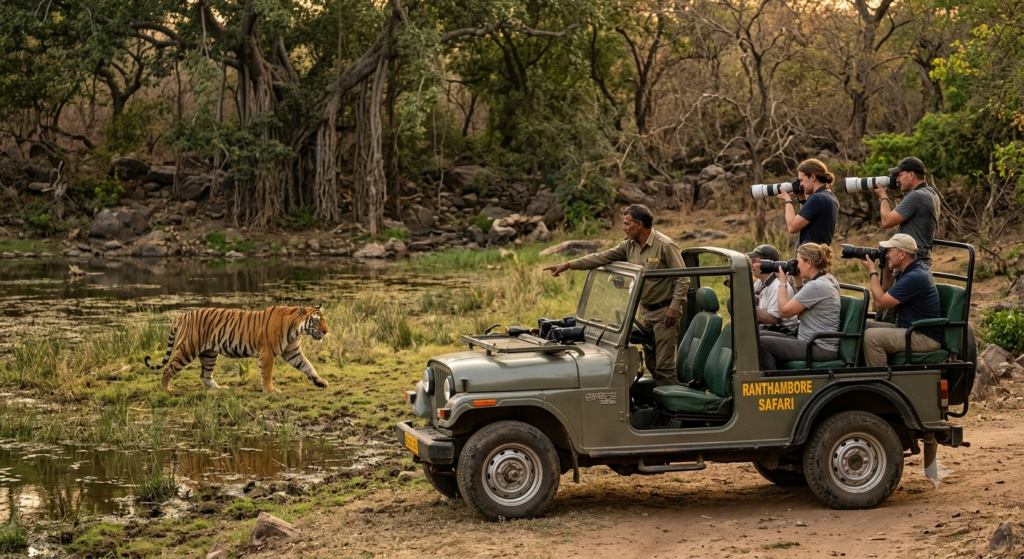
While Bengal tigers remain the star attraction, Ranthambore offers incredible biodiversity that extends far beyond its iconic predators.
Bengal Tiger
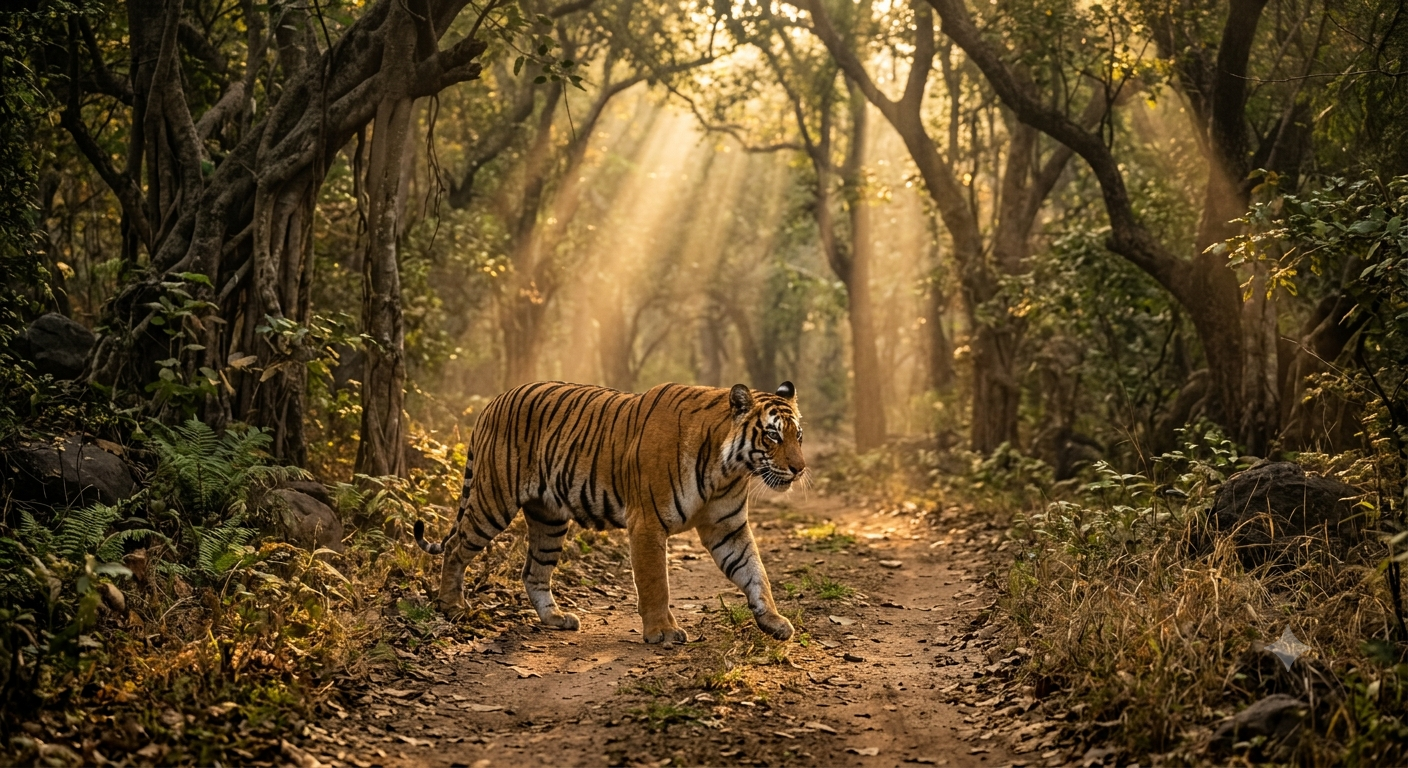
The undisputed king of Ranthambore, the Bengal tiger is the park’s biggest attraction. Sightings often occur near lakes, forest tracks, and waterholes, particularly during warmer months when animals gather to drink.
Leopard
Although more elusive than tigers, leopards inhabit the rocky hills and forested regions of the park. Lucky visitors may occasionally spot these graceful predators during early morning or evening safaris.
Sloth Bear
Sloth bears roam the forests searching for termites, fruits, and honey. They are most active during cooler hours and can sometimes be observed crossing safari tracks.
Marsh Crocodile (Mugger)
The park’s lakes, including Padam Talao, provide excellent habitat for marsh crocodiles, often seen basking in the sun along the banks.
Deer & Antelope
Common herbivores include:
- Sambar Deer
- Chital (Spotted Deer)
- Nilgai (Blue Bull)
- Chinkara (Indian Gazelle)
These species form the primary prey base for Ranthambore’s predators.
Birdlife
With more than 300 bird species, Ranthambore is a paradise for birdwatchers.
Common sightings include:
- Crested Serpent Eagle
- Painted Stork
- Indian Peafowl
- Kingfishers
- Owls
- Parakeets
- Grey Hornbill
Safari Zones in Ranthambore National Park
To protect wildlife while ensuring quality visitor experiences, Ranthambore is divided into multiple safari zones. Each zone offers a unique combination of landscapes, wildlife habitats, and historical features.
While tiger sightings are possible across all zones, no specific zone can guarantee a sighting. Every safari is a unique adventure, and experienced guides track fresh pugmarks, alarm calls, and animal movements to maximize viewing opportunities.
Core Safari Zones
The core zones are known for their dense forests, lakes, and higher concentration of wildlife. These areas are particularly popular among photographers and serious wildlife enthusiasts.
Buffer Zones
Buffer zones provide quieter safari experiences with fewer vehicles and increasing opportunities to observe wildlife as conservation efforts expand across the reserve.
Jeep Safari vs. Canter Safari
Visitors can choose between:
- Jeep Safari: Smaller 6-seater vehicle offering greater flexibility and a more intimate wildlife experience.
- Canter Safari: Larger 20-seater open vehicle suitable for groups and budget-conscious travelers.
Both options are accompanied by trained guides and follow designated safari routes.
Best Time to Visit Ranthambore National Park
The best time to visit Ranthambore depends on the type of experience you’re seeking. Each season transforms the park differently, offering unique wildlife encounters and photographic opportunities.
Winter (October – February)
Winter is one of the most pleasant seasons to explore Ranthambore.
Weather
- Temperature: 8°C–25°C
- Cool mornings
- Comfortable afternoons
- Misty landscapes
- Pleasant safari conditions
Why Visit
- Ideal for families
- Excellent birdwatching
- Comfortable jeep safaris
- Beautiful morning light for photography
Tiger sightings remain frequent, although the dense vegetation may occasionally reduce visibility.
Summer (March – June)
Summer is considered the best season for tiger sightings.
As temperatures rise, animals frequently visit lakes and waterholes, making predators easier to locate.
Weather
- Temperature: 28°C–45°C
- Dry climate
- Sparse vegetation
- Increased wildlife activity near water
Wildlife photographers often prefer this season despite the heat because of the higher probability of observing tigers.
Monsoon (July – September)
Most core safari zones remain closed during the monsoon to protect wildlife habitats and breeding cycles.
However, selected buffer zones may remain open depending on rainfall and forest department regulations.
The landscape becomes lush and green, making it an excellent season for nature photography, though tiger sightings are generally less predictable.
Best Months for Tiger Photography
If your primary goal is photographing Bengal tigers, plan your visit between:
- Late March
- April
- May
During these months, tigers spend more time around lakes, ponds, and waterholes, creating excellent photography opportunities.
Safari Booking Guide
Planning your safari in advance significantly improves your chances of securing preferred safari zones and timings.
Types of Safaris
Jeep Safari
- 6 passengers
- Better maneuverability
- Preferred by photographers
- Quieter wildlife experience
Canter Safari
- Approximately 20 passengers
- Budget-friendly
- Suitable for larger groups
- Comfortable for families
Safari Timings
Safari timings vary throughout the year according to sunrise and sunset.
Typically:
Morning Safari
Approximately
6:00 AM – 10:00 AM
Afternoon Safari
Approximately
2:30 PM – 6:30 PM
Exact timings change seasonally.
Advance Booking
Because Ranthambore is one of India’s most popular tiger reserves, advance booking is highly recommended, especially during:
- Weekends
- School holidays
- Winter season
- Long weekends
- Peak summer tiger season
How to Reach Ranthambore National Park
Ranthambore is well connected by road, rail, and air, making it one of India’s most accessible wildlife destinations.
By Air
Nearest Airport:
Jaipur International Airport
Distance:
Approximately 180 km
Travel Time:
Around 3.5–4 hours by road.
By Train
Nearest Railway Station:
Sawai Madhopur Junction
Located just 10–12 km from the national park.
Regular trains connect Sawai Madhopur with:
- Delhi
- Mumbai
- Jaipur
- Ahmedabad
- Kota
- Agra
By Road
Excellent highways connect Ranthambore with:
- Jaipur
- Delhi
- Agra
- Udaipur
- Kota
Private taxis and self-drive options are both popular choices.
Where to Stay
Accommodation around Ranthambore ranges from luxury wildlife resorts to comfortable budget hotels.
Luxury Resorts
Ideal for:
- Honeymoon couples
- International tourists
- Wildlife photographers
Luxury properties often provide:
- Guided safaris
- Nature walks
- Spa facilities
- Swimming pools
- Fine dining
Mid-Range Hotels
Perfect for families and small groups looking for comfort without excessive cost.
Budget Stays
Budget lodges and guest houses around Sawai Madhopur provide economical accommodation while remaining conveniently close to safari entry gates.
Must-Visit Attractions Inside & Around Ranthambore
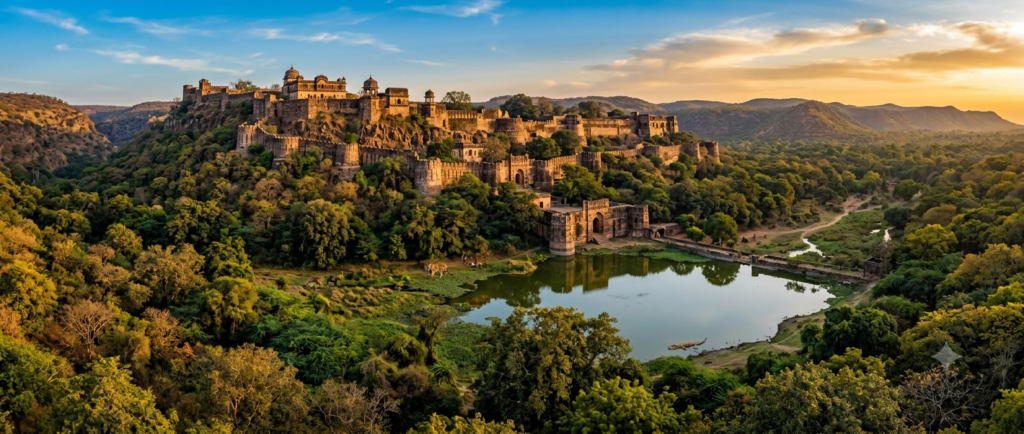
Although wildlife remains the primary attraction, several historical and natural landmarks make the destination even more rewarding.
Ranthambore Fort
Towering above the forest, the UNESCO-listed Ranthambore Fort dates back nearly a thousand years.
Visitors can explore:
- Massive stone gateways
- Ancient temples
- Historic reservoirs
- Panoramic viewpoints overlooking the national park
The fort beautifully combines Rajasthan’s royal history with spectacular wildlife landscapes.
Padam Talao
Padam Talao is the park’s largest lake and one of the best places to observe wildlife.
Common sightings include:
- Bengal Tigers
- Marsh Crocodiles
- Sambar Deer
- Water Birds
Early morning reflections across the lake create stunning photographic compositions.
Jogi Mahal
Located beside Padam Talao, Jogi Mahal is one of Ranthambore’s most iconic landmarks.
Although interior access is currently restricted, the surrounding area remains one of the park’s most photographed locations.
Nearby stands one of India’s largest banyan trees.
Raj Bagh Ruins
Scattered among grasslands and lakes, the atmospheric Raj Bagh ruins create extraordinary wildlife photography opportunities, where tigers are often seen walking through centuries-old stone structures.
Malik Talao
Birdwatchers frequently visit Malik Talao for sightings of:
- Painted Storks
- Kingfishers
- Spoonbills
- Egrets
- Marsh Crocodiles
Suggested 3-Day Ranthambore Itinerary
Day 1
Arrival at Sawai Madhopur
Check-in
Evening nature walk
Traditional Rajasthani dinner
Day 2
Morning Jeep Safari
Breakfast
Visit Ranthambore Fort
Lunch
Evening Safari
Photography session
Day 3
Morning Birdwatching
Visit local handicraft markets
Return journey
Local Cuisine to Try
Rajasthan’s rich culinary heritage enhances every Ranthambore visit.
Must-try dishes include:
Dal Baati Churma
The state’s signature meal.
Laal Maas
Traditional spicy Rajasthani mutton curry.
Gatte Ki Sabzi
Gram flour dumplings cooked in yogurt gravy.
Ker Sangri
A unique desert vegetable delicacy.
Ghewar
A famous Rajasthani dessert.
Masala Chai
Perfect after an early morning safari.
Responsible Wildlife Tourism
A visit to Ranthambore National Park is more than an exciting safari—it is an opportunity to support wildlife conservation and help protect one of India’s most important tiger habitats. Responsible tourism ensures that future generations can continue to experience the incredible biodiversity of Ranthambore.
Respect Wildlife
Remember that you are entering the animals’ natural habitat.
- Maintain complete silence during safari drives.
- Never attempt to attract or disturb wildlife.
- Avoid sudden movements while photographing animals.
- Follow your naturalist’s instructions at all times.
Follow Park Regulations
To ensure visitor safety and animal welfare:
- Stay inside the safari vehicle.
- Do not feed any wildlife.
- Do not litter inside the park.
- Avoid smoking or lighting fires.
- Keep mobile phones on silent mode.
Support Conservation
Your safari fees contribute toward:
- Tiger conservation
- Habitat restoration
- Anti-poaching initiatives
- Scientific wildlife monitoring
- Local employment
- Sustainable tourism development
By choosing responsible operators, you directly support these conservation efforts.
Respect Local Communities
Support local livelihoods by:
- Purchasing authentic handicrafts.
- Hiring certified local guides.
- Staying at locally owned accommodations.
- Respecting local customs and traditions.
Responsible travel benefits both wildlife and surrounding communities.
Packing Checklist
Preparing well enhances your safari experience.
Clothing
✔ Earth-toned clothing (olive, brown, beige, green)
✔ Lightweight full-sleeve shirts
✔ Comfortable trekking trousers
✔ Light jacket (winter mornings)
✔ Cap or safari hat
Footwear
✔ Comfortable walking shoes
✔ Lightweight sneakers
Photography Gear
✔ DSLR or Mirrorless Camera
✔ Telephoto lens (200–600 mm recommended)
✔ Extra batteries
✔ Memory cards
✔ Lens cleaning kit
✔ Binoculars
Essentials
✔ Government-issued ID
✔ Safari booking confirmation
✔ Sunglasses
✔ Sunscreen
✔ Water bottle
✔ Power bank
✔ Insect repellent
✔ Personal medicines
✔ Energy snacks
Frequently Asked Questions (FAQs)
What are the chances of seeing a tiger?
Tiger sightings depend on many factors, including weather, season, safari zone, and animal movement. While Ranthambore is one of India’s best parks for tiger sightings, no sighting can ever be guaranteed.
Which safari is better?
Jeep safaris offer greater flexibility and are generally preferred by photographers. Canter safaris are excellent for larger groups and provide a comfortable wildlife experience.
How many safaris should I book?
For the best chance of wildlife sightings, plan at least two to four safaris during your visit.
Which is the best safari zone?
Each zone offers unique landscapes and wildlife opportunities. Tiger movement changes daily, so no zone consistently guarantees sightings.
Can children join safaris?
Yes. Ranthambore is a family-friendly destination, although young children should remain quiet during safari drives.
Is photography allowed?
Yes. Photography is encouraged throughout the park. Flash photography should be avoided near wildlife.
How many days are ideal?
A 2–3 day itinerary with multiple safaris provides the best overall experience.
Conclusion
The Ranthambore National Park Travel Guide offers everything you need to plan an unforgettable wildlife adventure in one of India’s finest tiger reserves. From thrilling safari drives and majestic Bengal tigers to ancient forts and tranquil lakes, Ranthambore combines nature, history, and conservation into a truly extraordinary destination.
Whether you’re a first-time safari traveler, a passionate wildlife photographer, or a family seeking an immersive nature experience, Ranthambore delivers memories that last a lifetime.
Every safari is different. Some reward you with unforgettable tiger encounters, while others reveal the incredible diversity of birds, deer, crocodiles, and countless smaller creatures that make this ecosystem so remarkable.
Above all, a journey through Ranthambore reminds us that protecting wildlife and preserving natural habitats is a shared responsibility.
May your next safari be filled with unforgettable sightings and a deeper appreciation for India’s incredible natural heritage.
🌍 Explore More
“Every forest whispers a different story. Every trail reveals a new wonder. Let BlueJay Explorations take you beyond the ordinary to discover extraordinary wildlife, breathtaking landscapes, and unforgettable journeys across India and the world.”
Continue your journey through India’s incredible landscapes and hidden destinations.
🌍 Explore More: BlueJay Explorations
📖 Read more travel stories: TravelAnecdotes.com
📸 Follow the journey on Instagram
👍 Follow us on Facebook
🎥 Watch cinematic travel stories on YouTube