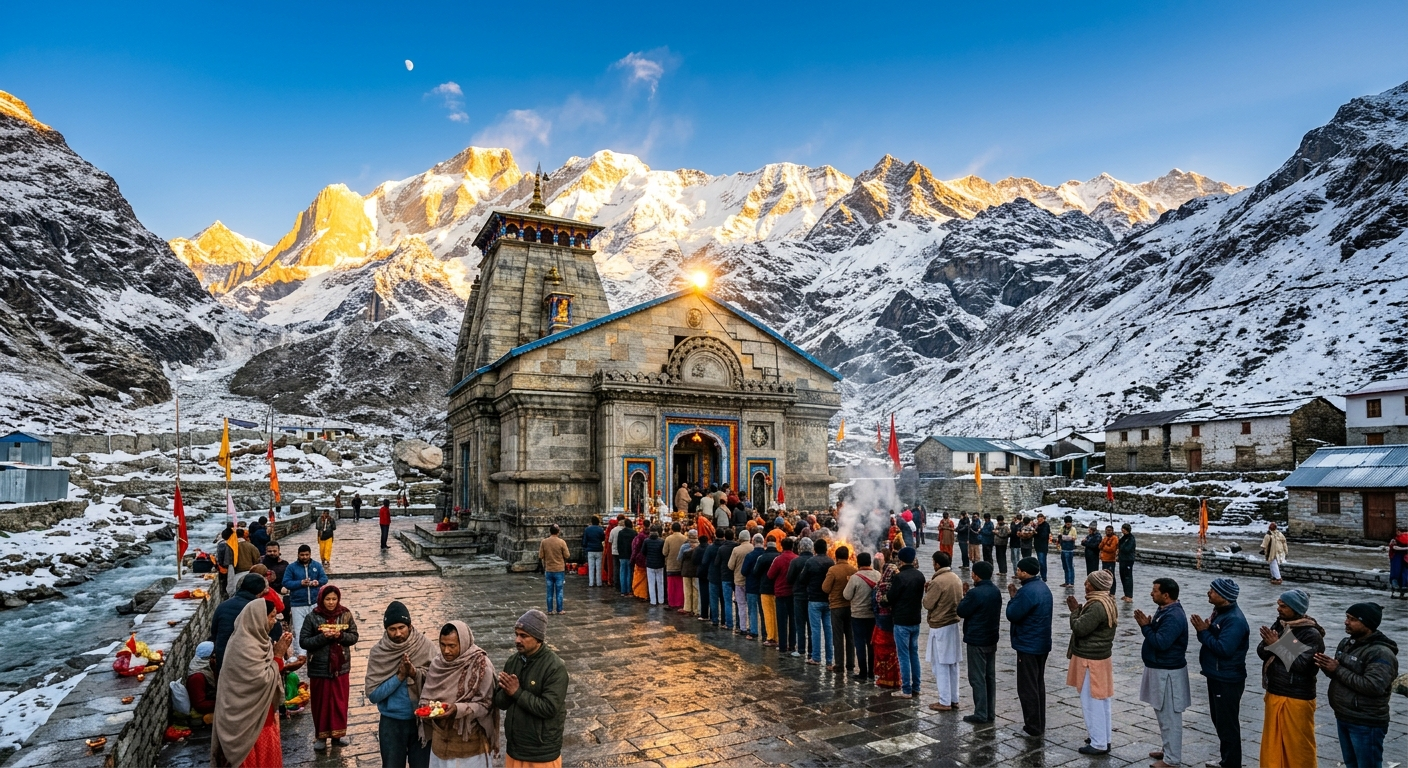
Kedarnath Temple Travel Guide: A Sacred Himalayan Pilgrimage to Lord Shiva
Introduction
Kedarnath Temple Travel Guide takes you on one of India’s most sacred and awe-inspiring pilgrimages, leading to the revered shrine of Lord Shiva nestled high in the Garhwal Himalayas of Uttarakhand. Standing at an altitude of 3,583 metres, Kedarnath Temple is not only one of the twelve Jyotirlingas dedicated to Lord Shiva but also the most prominent shrine among the Panch Kedar temples and an integral part of the revered Char Dham Yatra.
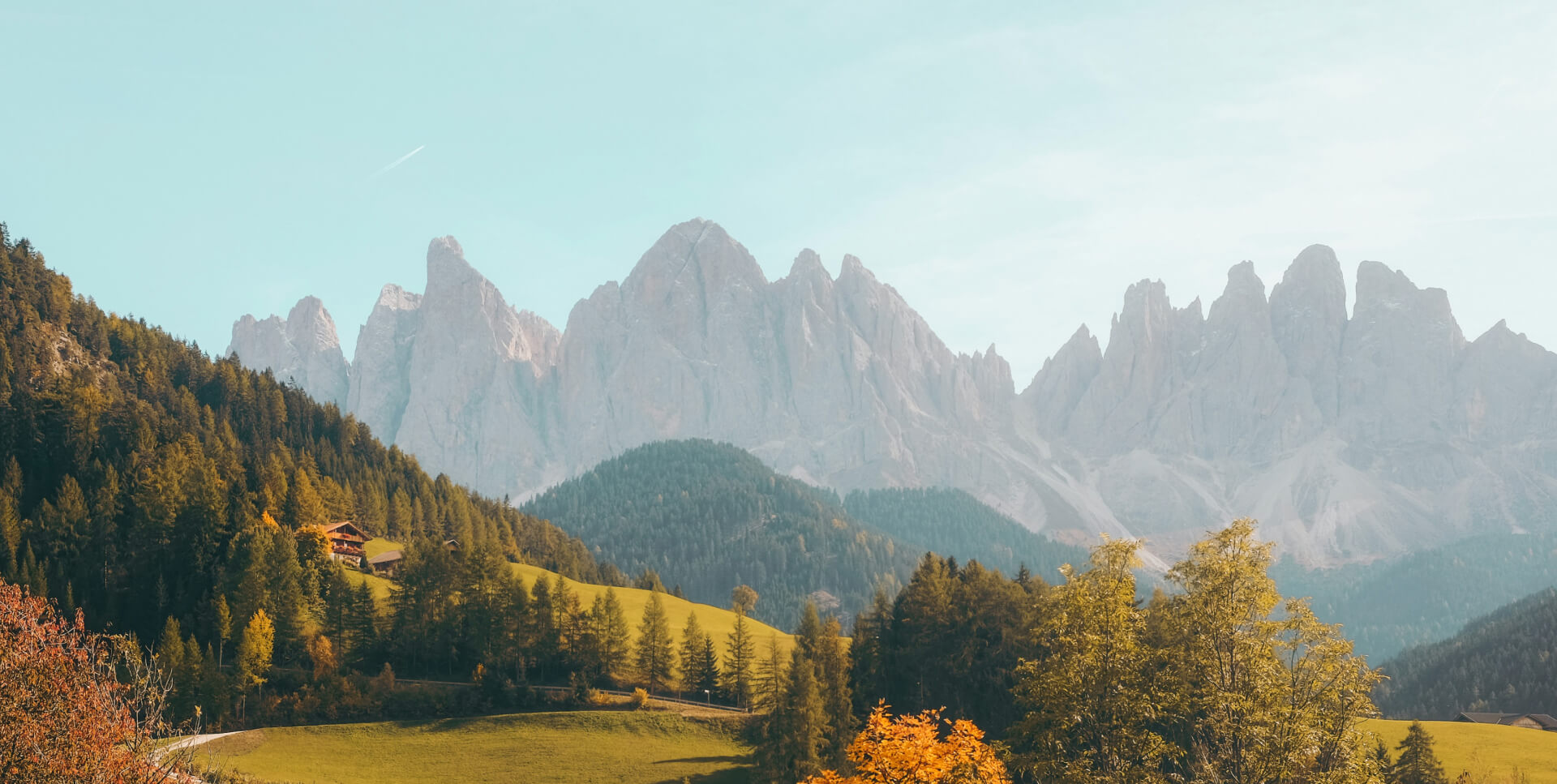
Surrounded by towering snow-covered peaks, pristine glaciers, and the roaring Mandakini River, Kedarnath offers a rare blend of spiritual devotion and Himalayan grandeur. Every year, thousands of pilgrims, trekkers, photographers, and adventure enthusiasts undertake the challenging journey to seek blessings and witness the timeless beauty of this ancient temple.
The route to Kedarnath is more than just a trek—it is a deeply personal experience that tests endurance, inspires faith, and rewards travelers with breathtaking landscapes and a profound sense of peace. Whether you choose to trek from Gaurikund or opt for a helicopter service, the journey itself becomes an unforgettable chapter of your spiritual adventure.
This comprehensive travel guide covers everything you need to know, including the temple’s history, religious significance, registration process, trekking routes, helicopter services, accommodation, nearby attractions, travel tips, and the best time to visit.
Why Every Pilgrim Should Experience Kedarnath
Among all the sacred shrines dedicated to Lord Shiva, Kedarnath occupies a unique place in the hearts of devotees. The temple stands in one of the world’s most dramatic mountain settings, where spirituality and nature coexist in perfect harmony.
Unlike many easily accessible pilgrimage sites, reaching Kedarnath requires determination, preparation, and devotion. This challenging journey strengthens the spiritual significance of the pilgrimage, making every step toward the temple a symbol of faith and perseverance.
Visitors often describe an overwhelming sense of tranquility as they approach the temple, with the majestic Kedarnath Peak towering behind the ancient stone structure.
One of the Twelve Jyotirlingas
Kedarnath is one of the twelve sacred Jyotirlingas, believed to be self-manifested representations of Lord Shiva. Pilgrims consider a visit to this temple one of the most spiritually rewarding experiences in Hinduism.
According to Hindu belief, offering prayers at Kedarnath helps devotees seek forgiveness, inner peace, and liberation from the cycle of birth and rebirth.
A Pillar of the Char Dham Yatra
The temple forms one of the four sacred destinations of the Himalayan Char Dham Yatra, alongside:
- Yamunotri
- Gangotri
- Kedarnath
- Badrinath
Completing the Char Dham pilgrimage is regarded as one of the holiest journeys in Hindu tradition.
The Spiritual Power of the Himalayas
For centuries, sages and saints have chosen the Himalayas for meditation and spiritual practices. The serene surroundings, crisp mountain air, and untouched natural beauty create an atmosphere ideal for reflection and devotion.
Many pilgrims believe that the divine energy of Kedarnath is amplified by its remote Himalayan location.
History and Legends of Kedarnath Temple
The origins of Kedarnath Temple are deeply rooted in Hindu mythology and the epic Mahabharata. According to legend, after the Kurukshetra War, the Pandavas sought forgiveness from Lord Shiva for the sins committed during the battle.
However, Lord Shiva wished to avoid them and transformed himself into a bull, disappearing into the Himalayan wilderness. When Bhima recognized the bull and attempted to stop it, Shiva disappeared into the earth. The hump emerged at Kedarnath, while other parts of his body appeared at four different locations, giving rise to the Panch Kedar temples.
The present stone temple is believed to have been originally built by the Pandavas and later revived by the great philosopher Adi Shankaracharya during the 8th century CE.
Despite centuries of harsh weather, heavy snowfall, and natural disasters—including the devastating 2013 floods—the temple has remained a symbol of resilience and unwavering faith.
The Miracle of the 2013 Floods
In June 2013, catastrophic floods struck the Kedarnath valley, causing widespread destruction. Remarkably, the temple itself survived with minimal structural damage.
A massive boulder, now known as the Bhim Shila, came to rest behind the temple, diverting the force of the floodwaters away from the shrine. Many devotees regard this event as a divine miracle and a testament to Lord Shiva’s protection.
Today, the Bhim Shila has become an important stop for pilgrims visiting Kedarnath.
Architecture of Kedarnath Temple
Constructed from massive grey stone slabs, Kedarnath Temple is an extraordinary example of ancient Himalayan architecture. Despite standing in one of the world’s harshest environments, the structure has endured for centuries.
The temple features a simple yet majestic design, with a towering stone sanctum, intricately carved entrance, and a spacious assembly hall. A large statue of Nandi, Lord Shiva’s sacred bull, sits at the entrance, welcoming devotees.
Inside the sanctum lies the naturally formed conical Shiva lingam, unlike the polished lingams found in many other temples. This unique form symbolizes Lord Shiva in his most primal and eternal manifestation.
The backdrop of snow-covered peaks creates one of the most iconic temple landscapes in the world.
Religious Significance of Panch Kedar
Kedarnath is the foremost temple among the Panch Kedar, a group of five sacred shrines associated with Lord Shiva:
- Kedarnath
- Tungnath
- Rudranath
- Madhyamaheshwar
- Kalpeshwar
Devotees undertaking the Panch Kedar pilgrimage believe that visiting all five temples brings immense spiritual merit and a deeper connection with Lord Shiva.
Best Time to Visit Kedarnath Temple
Choosing the right season plays a crucial role in ensuring a safe, comfortable, and spiritually fulfilling pilgrimage. Since Kedarnath Temple remains open for only about six months each year due to extreme Himalayan winters, planning your visit carefully is essential.
Summer (May – June)
Summer marks the beginning of the annual pilgrimage season after the temple doors (Kapaat) are ceremonially opened, usually around Akshaya Tritiya.
During this period:
- Pleasant daytime temperatures (8°C–18°C)
- Clear trekking conditions
- Snow-covered Himalayan peaks
- Vibrant atmosphere with thousands of pilgrims
This is the busiest season, so early hotel and helicopter bookings are highly recommended.
Monsoon (July – August)
Monsoon transforms the Himalayas into lush green landscapes with waterfalls and mist-covered valleys. However, heavy rainfall increases the risk of:
- Landslides
- Road closures
- Trek disruptions
- Flight cancellations
Unless absolutely necessary, monsoon travel is generally not recommended.
Autumn (September – October)
Many experienced travelers consider autumn the best season to visit Kedarnath.
Advantages include:
- Crystal-clear mountain views
- Pleasant trekking weather
- Fewer crowds
- Beautiful golden landscapes
- Excellent photography opportunities
This season offers a peaceful pilgrimage experience with stable weather conditions.
Winter Closure
After Bhai Dooj, the temple closes for winter, and the idol of Lord Kedarnath is ceremonially moved to Omkareshwar Temple in Ukhimath, where worship continues until the shrine reopens in spring.
Kedarnath Temple Opening & Closing Ceremony
One of the most significant moments of the pilgrimage season is the ceremonial opening of the temple.
Opening
- Usually around April or May
- Determined by Hindu priests based on the Hindu calendar
- Coincides with Akshaya Tritiya
Closing
- Usually after Diwali
- Around Bhai Dooj
- Temple remains snowbound throughout winter
These ceremonies attract thousands of devotees from across India and abroad.
Kedarnath Registration Process
Registration is mandatory for all pilgrims undertaking the Kedarnath Yatra. The registration system helps authorities manage visitor flow and ensures better safety during the pilgrimage.
Pilgrims should:
- Complete registration before travel (online or designated counters)
- Carry valid government identification
- Keep registration confirmation accessible throughout the journey
Registration also assists emergency response teams in monitoring pilgrim movement.
Essential Documents
Carry:
- Government-issued photo ID
- Registration confirmation
- Medical fitness certificate (if applicable)
- Passport-size photographs
- Emergency contact details
Kedarnath Trek Guide
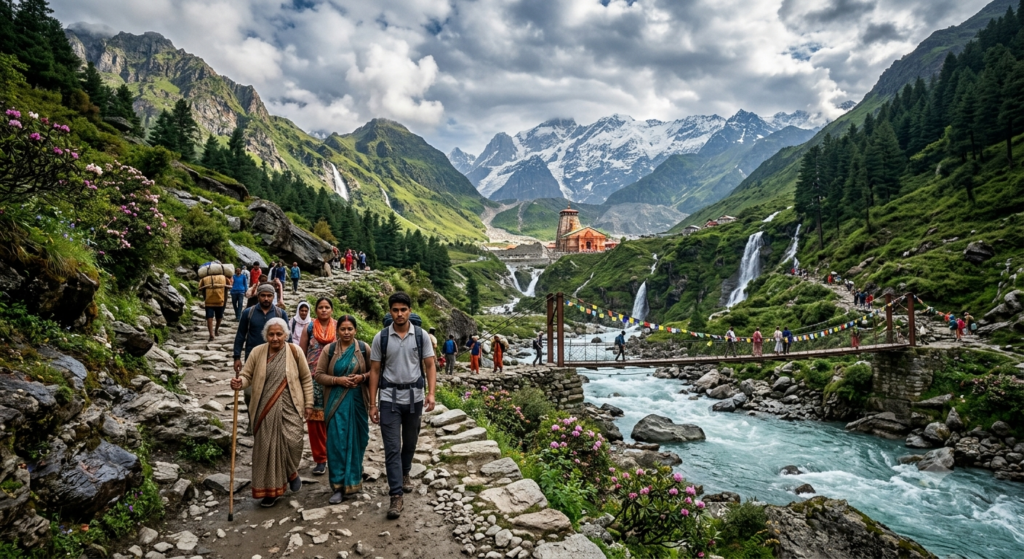
The trek to Kedarnath is one of India’s most rewarding pilgrimage routes. Beginning at Gaurikund, the trail stretches approximately 16 kilometres, gradually ascending through forests, waterfalls, suspension bridges, and dramatic Himalayan landscapes.
Though physically demanding, the trek is well-maintained and supported by rest points, refreshment stalls, medical facilities, and emergency services during the yatra season.
Starting Point – Gaurikund
Gaurikund serves as the official base camp for the trek.
Before beginning the journey, pilgrims can:
- Visit Gauri Temple
- Take a dip in the natural hot water spring (subject to current conditions)
- Purchase trekking essentials
- Hire ponies, palkis, or porters if needed
Trek Difficulty
The route is considered moderately difficult due to the steep ascent and high altitude.
Pilgrims should:
- Walk at a steady pace
- Stay hydrated
- Take regular breaks
- Avoid rushing
- Acclimatize properly if arriving from lower altitudes
Alternative Transport
Those unable to complete the trek on foot can choose:
- Pony services
- Palki (palanquin)
- Porter assistance
These services are regulated during the pilgrimage season.
Helicopter Services
Helicopter services provide a convenient alternative for senior citizens, families, and travelers with limited time.
Flights typically operate from:
- Phata
- Sersi
- Guptkashi
The journey takes only a few minutes, offering spectacular aerial views of the Himalayan landscape before landing near Kedarnath.
Advance booking is strongly recommended due to high demand during peak season.
Accommodation Options
Accommodation ranges from budget lodges to comfortable hotels in nearby towns.
Popular Stay Locations
- Guptkashi
- Sonprayag
- Phata
- Gaurikund
- Kedarnath
Many pilgrims also choose government guest houses or dharamshalas offering simple yet comfortable lodging.
Booking accommodations well in advance is highly advisable during May and June.
Nearby Attractions
A visit to Kedarnath can be combined with several remarkable spiritual and natural attractions.
Bhairavnath Temple
Located on a hill overlooking Kedarnath Temple, Bhairavnath Temple is dedicated to Lord Bhairav, considered the guardian deity of Kedarnath during winter.
The short uphill walk rewards visitors with panoramic views of the valley.
Bhim Shila
Behind the temple stands the famous Bhim Shila, the massive boulder believed to have protected the temple during the devastating 2013 floods.
Today, it serves as a powerful symbol of resilience and divine protection.
Vasuki Tal
Adventure enthusiasts can undertake a challenging trek to Vasuki Tal, a pristine high-altitude glacial lake surrounded by dramatic Himalayan peaks.
This trek is ideal for experienced trekkers seeking additional adventure after the pilgrimage.
Triyuginarayan Temple
According to Hindu mythology, Lord Shiva and Goddess Parvati were married at Triyuginarayan Temple.
The sacred eternal flame burning at the temple is believed to have witnessed the divine wedding.
Tungnath Temple
Part of the Panch Kedar circuit, Tungnath is the world’s highest Shiva temple and can be combined with an extended spiritual journey through Uttarakhand.
Suggested 6-Day Kedarnath Pilgrimage Itinerary
Day 1
Arrival in Haridwar or Rishikesh
- Evening Ganga Aarti
- Overnight stay
Day 2
Drive to Guptkashi
- Scenic Himalayan drive
- Visit local temples
- Overnight stay
Day 3
Drive to Gaurikund
Begin Kedarnath Trek
Reach Kedarnath
Evening Darshan
Day 4
Morning Abhishek Puja
Visit:
- Bhairavnath Temple
- Bhim Shila
Return trek to Gaurikund
Stay at Guptkashi
Day 5
Excursion to Triyuginarayan
Local sightseeing
Shopping
Day 6
Return to Haridwar or Dehradun
End of pilgrimage.
Local Food to Try
Pilgrimage routes feature simple, nutritious meals suitable for high-altitude travel.
Popular options include:
Garhwali Thali
Traditional mountain cuisine featuring lentils, rice, vegetables, and local specialties.
Aloo Ke Gutke
Spiced Himalayan potato preparation.
Mandua Roti
Nutritious finger millet flatbread commonly eaten in Uttarakhand.
Jhangora Kheer
A delicious millet-based dessert unique to the region.
Hot Tea & Maggi
A comforting favorite among trekkers, especially in cold mountain weather.
Responsible Pilgrimage Tips
A journey to Kedarnath is not just a physical expedition—it is a sacred pilgrimage that deserves respect for both the spiritual significance of the temple and the fragile Himalayan ecosystem. Practicing responsible tourism ensures that future generations can continue to experience this divine destination.
Respect Temple Traditions
- Dress modestly while visiting the temple.
- Remove footwear before entering designated areas.
- Maintain silence inside the temple premises.
- Follow instructions given by temple authorities and volunteers.
Protect the Himalayan Environment
The Kedarnath region is ecologically sensitive.
Please remember to:
- Carry reusable water bottles.
- Avoid single-use plastic.
- Dispose of waste only in designated bins.
- Never litter along the trekking route.
- Do not disturb wildlife or vegetation.
Support Local Communities
Purchasing locally made handicrafts, staying in local accommodations, and hiring certified local guides contribute directly to the livelihoods of Himalayan communities.
Prioritize Health & Safety
Due to the high altitude:
- Stay hydrated.
- Walk at a comfortable pace.
- Take breaks when needed.
- Avoid alcohol and smoking during the pilgrimage.
- Consult a doctor if you have heart or respiratory conditions before traveling.
Packing Checklist
Packing appropriately is essential for a comfortable pilgrimage in the unpredictable Himalayan climate.
Clothing
✔ Thermal wear
✔ Warm jacket
✔ Waterproof raincoat
✔ Comfortable trekking trousers
✔ Woollen cap
✔ Gloves
✔ Extra socks
Footwear
✔ Waterproof trekking shoes
✔ Comfortable slippers for accommodation
Essentials
✔ Government-issued ID
✔ Yatra registration confirmation
✔ Mobile phone & charger
✔ Power bank
✔ Torch or headlamp
✔ Sunglasses
✔ Sunscreen
✔ Lip balm
✔ Water bottle
✔ Energy bars
✔ Dry fruits
Medical Kit
✔ Personal medications
✔ Basic first aid kit
✔ Bandages
✔ Pain relief spray
✔ ORS packets
✔ Altitude sickness medication (after medical consultation)
Frequently Asked Questions (FAQs)
Is Kedarnath suitable for senior citizens?
Yes. Senior citizens can undertake the pilgrimage using helicopter services, ponies, palkis, or porters, depending on their health and mobility.
Is registration mandatory?
Yes. Registration is mandatory for all pilgrims and helps authorities manage the yatra safely.
How difficult is the Kedarnath trek?
The trek is considered moderately difficult due to the steep ascent and high altitude. Basic fitness and proper preparation are recommended.
Can beginners complete the trek?
Yes. Many first-time trekkers successfully complete the journey by maintaining a steady pace and taking adequate rest.
Is accommodation available near the temple?
Yes. Budget guest houses, dharamshalas, government accommodations, and private lodges are available during the pilgrimage season.
Is photography allowed?
Photography is permitted in most outdoor areas. However, photography inside the temple sanctum is strictly prohibited.
How many days are required?
A well-planned Kedarnath pilgrimage generally requires 4–6 days, depending on the itinerary and mode of travel.
Conclusion
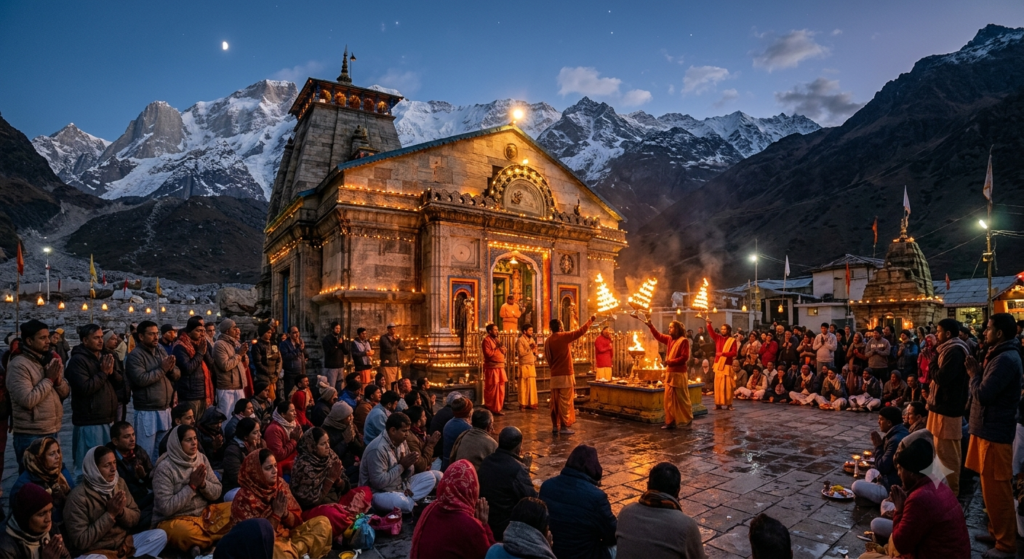
The Kedarnath Temple Travel Guide is much more than a travel itinerary—it is an invitation to experience one of India’s most sacred pilgrimages and one of the world’s most breathtaking Himalayan landscapes. Every step toward Kedarnath carries centuries of faith, mythology, and devotion, making the journey as meaningful as the destination itself.
Whether you seek spiritual peace, wish to complete the Char Dham Yatra, or simply admire the grandeur of the Himalayas, Kedarnath offers an unforgettable experience that touches both the heart and the soul.
The ancient temple, the majestic mountains, the Mandakini River, and the unwavering faith of countless pilgrims come together to create a journey unlike any other. As you leave the sacred valley, you carry with you not only cherished memories but also a renewed sense of gratitude, resilience, and inner peace.
May your pilgrimage to Kedarnath be safe, fulfilling, and spiritually enriching.
Explore More
Continue exploring India’s incredible heritage destinations.
🌍 Explore More: BlueJay Explorations
📖 Read more travel stories: TravelAnecdotes.com
📸 Follow the journey on Instagram
👍 Follow us on Facebook
🎥 Watch cinematic travel stories on YouTube