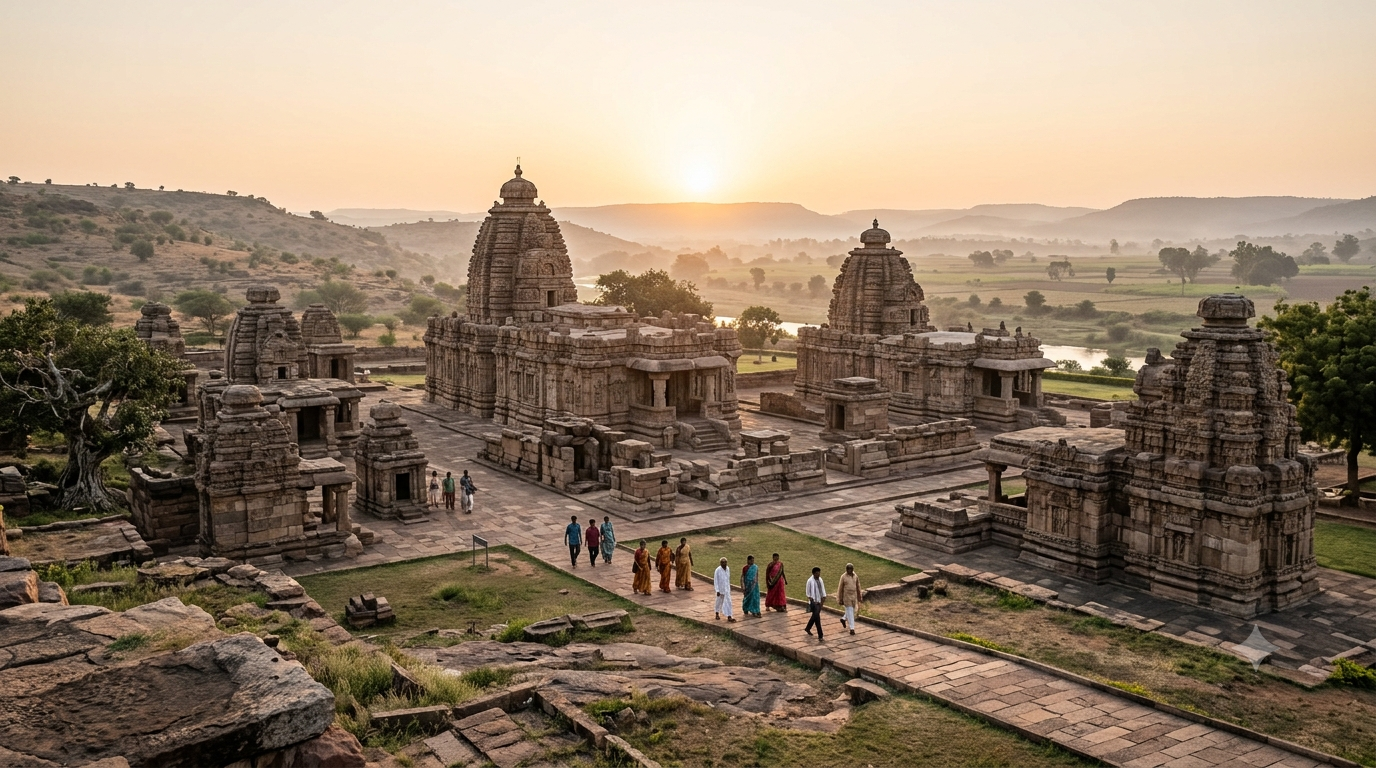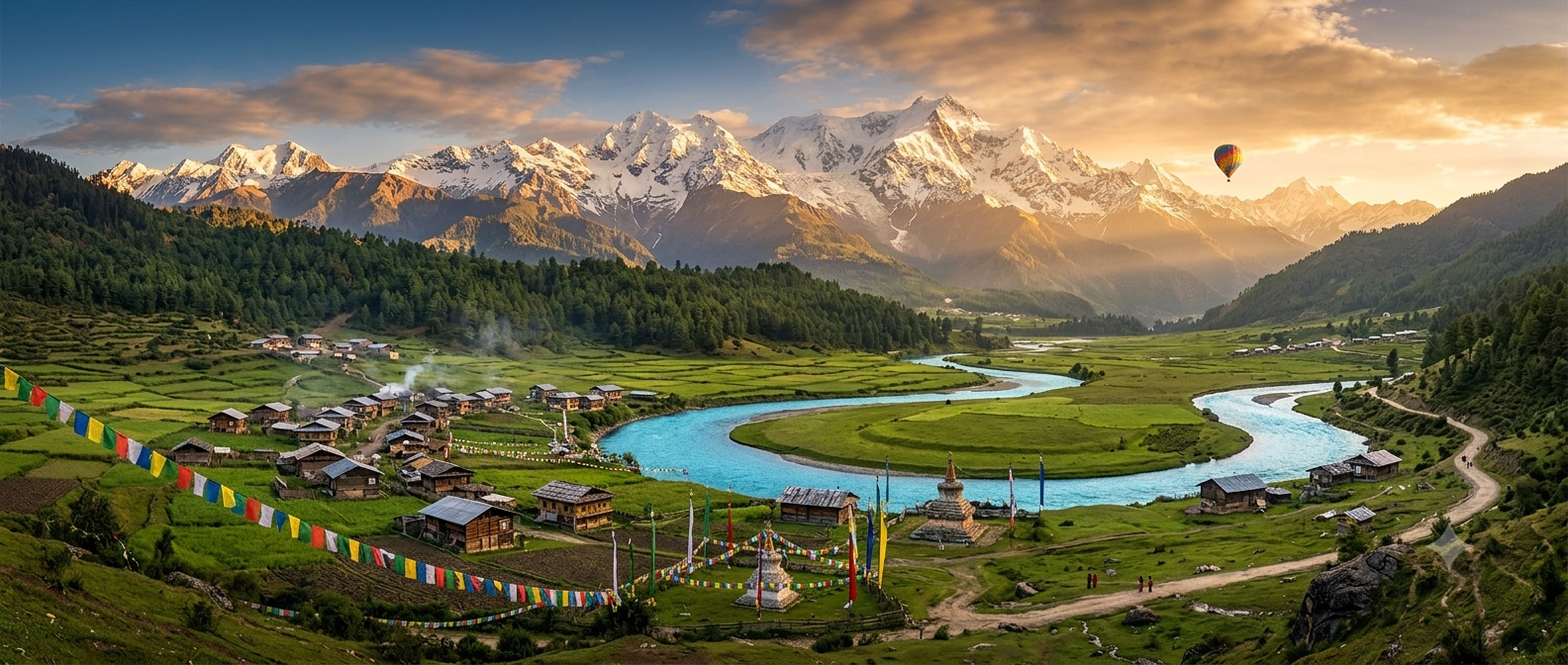
Mechuka Valley Travel Guide: Arunachal Pradesh’s Hidden Himalayan Paradise
Introduction
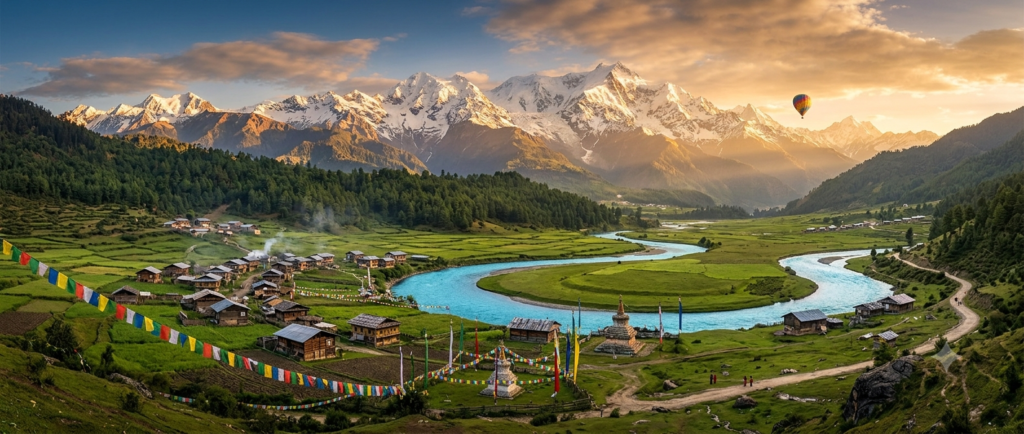
Far away from crowded hill stations and commercial tourist destinations lies one of India’s most breathtaking hidden treasures—Mechuka Valley, a pristine Himalayan paradise tucked away in the remote mountains of Arunachal Pradesh.
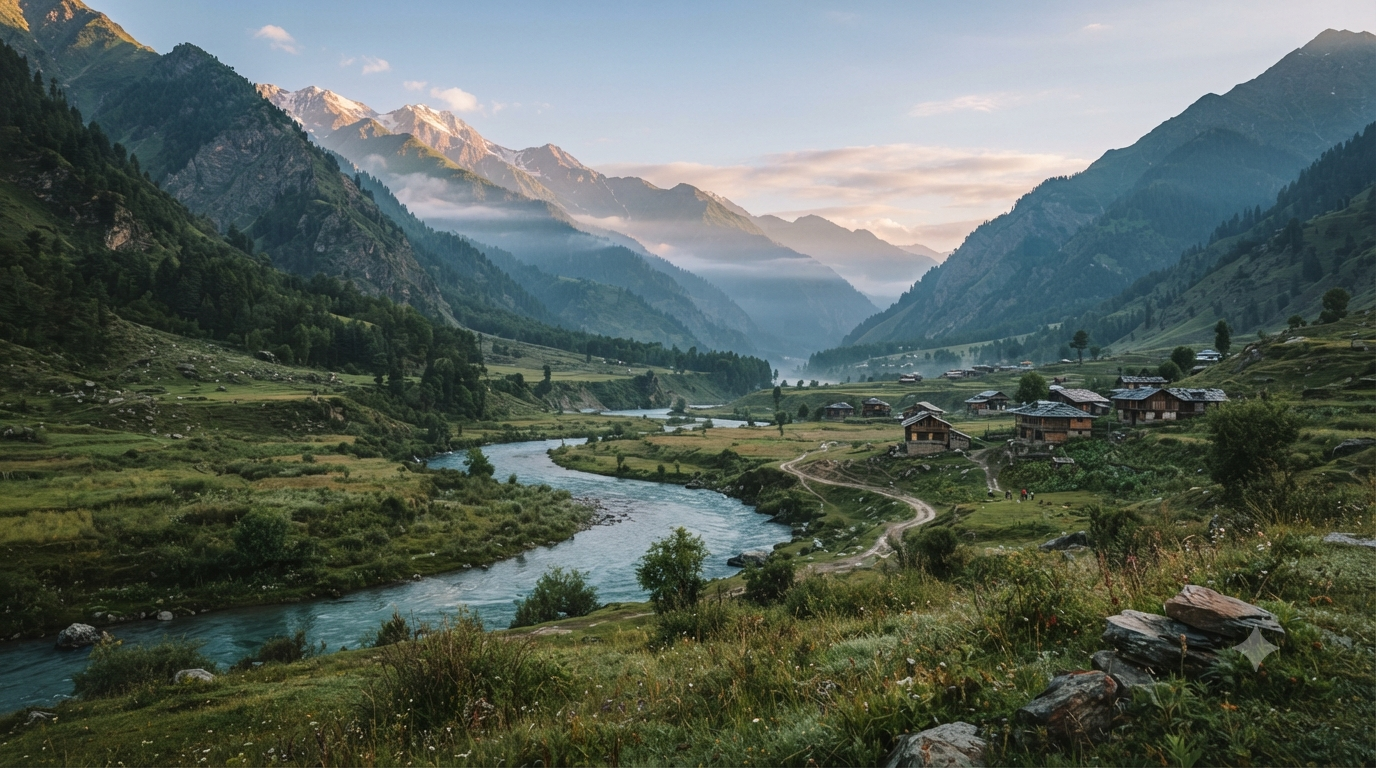
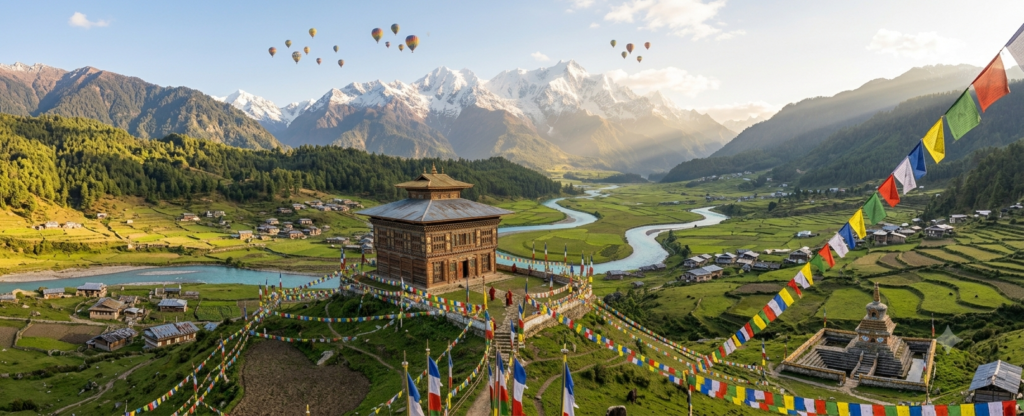
Surrounded by snow-capped peaks, lush alpine forests, rolling meadows, crystal-clear rivers, ancient monasteries, and charming tribal villages, Mechuka feels like a destination untouched by time. Every winding mountain road reveals postcard-perfect landscapes where prayer flags flutter in the cool mountain breeze, wooden homes dot emerald-green valleys, and the sparkling Siyom River meanders gracefully through one of Northeast India’s most spectacular landscapes.
Located close to the Indo-Tibet border, Mechuka is home to the indigenous Memba, Ramo, and Bokar communities, whose traditions, hospitality, and centuries-old Buddhist heritage add a rich cultural dimension to every journey.
Unlike many Himalayan destinations that have become heavily commercialized, Mechuka still offers rare solitude, making it a dream destination for travelers seeking authentic experiences, peaceful surroundings, and raw natural beauty.
Whether you’re planning a scenic road trip, a photography expedition, a cultural exploration, or simply searching for one of India’s last hidden Himalayan gems, this complete Mechuka Valley Travel Guide covers everything you need—from attractions and permits to itineraries, travel tips, photography advice, and practical planning information.
Why Mechuka is Arunachal Pradesh’s Hidden Paradise
Among India’s many Himalayan destinations, Mechuka remains one of the least explored—and perhaps the most rewarding.
Unlike popular mountain towns filled with hotels and traffic, Mechuka offers travelers something increasingly rare: complete tranquility.
The valley combines untouched natural beauty with fascinating tribal culture, creating a destination where every moment feels authentic.
Visitors are greeted by:
- Snow-covered mountains
- Vast green valleys
- Crystal-clear rivers
- Peaceful monasteries
- Traditional villages
- Wooden suspension bridges
- Endless mountain roads
- Stunning Himalayan sunsets
Every season paints Mechuka in a different palette, making it a destination worth visiting throughout the year.
A Destination Beyond Ordinary Tourism
One of Mechuka’s greatest strengths is its remoteness.
The long scenic drive through Arunachal Pradesh filters out mass tourism, leaving behind a peaceful destination where travelers can truly disconnect from busy city life.
Instead of crowded attractions, you’ll find:
- Quiet walking trails
- Friendly local communities
- Ancient monasteries
- Traditional wooden architecture
- Wide-open landscapes
The journey itself becomes an unforgettable part of the adventure.
Nature at Its Purest
Mechuka’s untouched ecosystem offers incredible biodiversity.
The surrounding forests and mountains are home to:
- Rare Himalayan birds
- Alpine vegetation
- Mountain streams
- Pine forests
- High-altitude meadows
- Wildflowers (seasonal)
The clean mountain air and pristine environment make it an ideal destination for slow travel and nature lovers.
Highlights of Mechuka Valley
During your visit, don’t miss:
- Siyom River
- Samten Yongcha Monastery
- Hanging Bridge
- Dorjeeling Village
- Gurudwara Mechuka
- Mountain viewpoints
- Traditional tribal villages
- Indo-Tibet border landscapes
The History and Origin of Mechuka
The name Mechuka is believed to have originated from the local dialect:
- “Men” meaning medicine
- “Chu” meaning water
- “Kha” meaning snow
Together, the name reflects the valley’s abundance of medicinal plants, crystal-clear streams, and snow-fed mountains.
For centuries, Mechuka served as an important cultural and trading route connecting local communities with Tibet.
Its strategic location near the international border has shaped both its history and cultural identity.
Ancient Himalayan Trade Routes
Long before modern roads reached the valley, traders crossed these mountains carrying:
- Salt
- Wool
- Herbs
- Tea
- Religious artifacts
- Handcrafted goods
These historic trade connections influenced local architecture, traditions, cuisine, and religious practices that continue to thrive today.
A Land of Living Traditions
Despite increasing tourism, Mechuka has preserved much of its traditional way of life.
Visitors can still experience:
- Wooden mountain homes
- Traditional farming
- Yak herding
- Buddhist ceremonies
- Tribal festivals
- Handmade crafts
The valley offers an authentic glimpse into life in one of India’s most remote Himalayan regions.
The Rich Tribal Heritage of Mechuka
One of Mechuka’s greatest treasures is its vibrant indigenous culture.
Several tribal communities—including the Memba, Ramo, and Bokar—have called this valley home for generations.
Their deep connection with nature, Buddhist traditions, and community-based lifestyle create a cultural experience unlike anywhere else in India.
The Memba Community
The Memba people follow Tibetan Buddhism and maintain strong cultural ties with neighboring Himalayan regions.
Visitors often notice:
- Prayer flags
- Buddhist monasteries
- Traditional festivals
- Handwoven clothing
- Wooden architecture
Their warm hospitality makes every visitor feel welcome.
Traditional Himalayan Lifestyle
Life in Mechuka revolves around harmony with nature.
Residents continue to practice:
- Sustainable farming
- Yak and livestock rearing
- Traditional weaving
- Organic agriculture
- Community celebrations
The slower pace of life adds to the valley’s peaceful charm.
Landscapes That Feel Like Another World
Few destinations in India can rival Mechuka’s dramatic scenery.
Towering Himalayan peaks surround a broad valley carpeted with green meadows and intersected by the sparkling Siyom River.
Every season transforms the landscape.
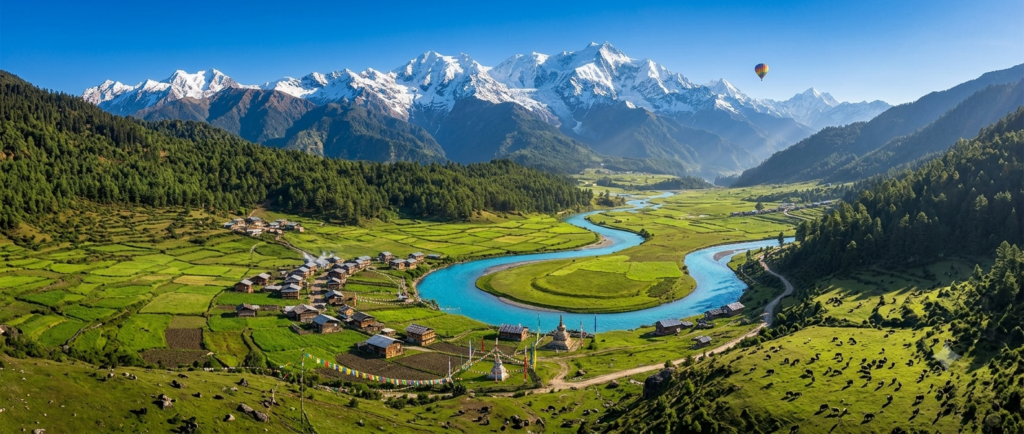
Spring & Summer
The valley bursts into life with:
- Blooming wildflowers
- Lush green fields
- Clear blue skies
- Pleasant weather
- Excellent trekking conditions
Autumn
Perhaps the most popular season, autumn offers:
- Golden landscapes
- Crisp mountain air
- Crystal-clear visibility
- Comfortable temperatures
- Spectacular photography opportunities
Winter
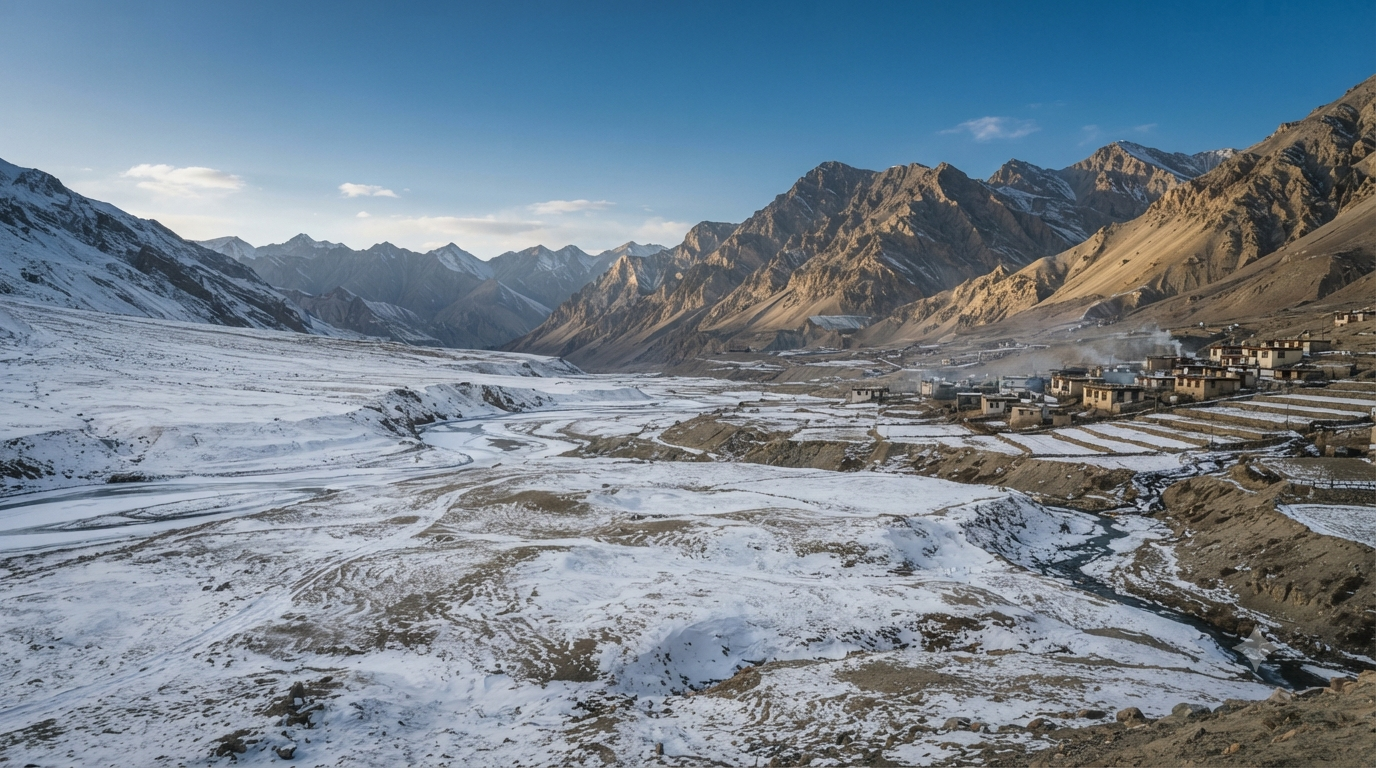
Winter transforms Mechuka into a snowy Himalayan wonderland.
Snow-covered mountains create breathtaking scenery perfect for:
- Landscape photography
- Peaceful retreats
- Mountain drives
- Cozy village stays
Why Mechuka Should Be on Every Explorer’s Bucket List
Mechuka is more than just a destination—it’s an experience of untouched Himalayan beauty, ancient traditions, and peaceful mountain living. Far removed from crowded tourist circuits, it offers travelers the rare opportunity to discover a side of India that remains wonderfully authentic.
Whether you’re drawn by dramatic landscapes, vibrant tribal culture, or the serenity of remote mountain valleys, Mechuka promises memories that will stay with you long after your journey ends.
Top Attractions in Mechuka Valley
Although Mechuka is relatively small, it offers an incredible variety of natural, cultural, and historical attractions.
From ancient monasteries perched on hilltops to crystal-clear rivers flowing through peaceful meadows, every corner of the valley feels like a hidden discovery waiting to be explored.
Samten Yongcha Monastery
One of the most iconic landmarks in Mechuka is the magnificent Samten Yongcha Monastery, believed to be over 400 years old.
Situated on a hill overlooking the valley, the monastery offers breathtaking panoramic views of the surrounding mountains and the winding Siyom River.
A Spiritual Landmark
The monastery serves as an important center of Tibetan Buddhism for the local Memba community.
Visitors can admire:
- Ancient Buddhist scriptures
- Traditional prayer halls
- Colorful murals
- Prayer wheels
- Monastic architecture
- Sacred relics
The peaceful atmosphere makes it one of the most memorable stops in Mechuka.
Panoramic Valley Views
The elevated location rewards visitors with spectacular views of:
- Snow-covered Himalayan peaks
- Mechuka village
- Siyom River
- Green meadows
- Pine forests
Sunrise and sunset are particularly magical from the monastery.
Siyom River
Flowing gracefully through the valley, the Siyom River is the lifeline of Mechuka.
Its crystal-clear glacial waters create one of the most scenic landscapes in Northeast India.
The river is perfect for:
- Nature walks
- Landscape photography
- Picnics
- Riverside relaxation
The turquoise waters beautifully contrast against the lush green valley throughout much of the year.
Riverside Walks
Walking beside the Siyom River is one of the simplest yet most rewarding experiences in Mechuka.
You’ll encounter:
- Wooden bridges
- Rocky riverbanks
- Traditional villages
- Grazing yaks
- Wildflowers (seasonal)
The peaceful surroundings make it ideal for slow travel.
Hanging Bridge
One of Mechuka’s most photographed attractions is its charming traditional hanging bridge crossing the Siyom River.
Constructed primarily from wood and steel cables, the bridge connects villages while offering spectacular views of the valley below.
Walking across the gently swaying bridge becomes an unforgettable experience for visitors.
A Photographer’s Favorite
The bridge provides excellent opportunities to capture:
- Mountain landscapes
- Flowing river
- Prayer flags
- Local villagers
- Traditional houses
- Himalayan backdrops
Morning light produces especially beautiful photographs.
Dorjeeling Village
Located near Mechuka, Dorjeeling Village (not to be confused with Darjeeling in West Bengal) offers visitors an authentic glimpse into the traditional lifestyle of the Memba community.
The village is known for:
- Wooden houses
- Apple orchards
- Friendly locals
- Peaceful atmosphere
- Mountain scenery
A leisurely walk through the village reveals everyday Himalayan life that has changed very little over generations.
Traditional Wooden Architecture
The beautifully crafted homes demonstrate local building techniques designed to withstand harsh mountain weather.
Many houses feature:
- Carved wooden balconies
- Stone foundations
- Sloping roofs
- Prayer flags
- Beautiful gardens
The architecture blends naturally with the surrounding landscape.
Gurudwara Mechuka
One of the lesser-known attractions is the peaceful Gurudwara Mechuka, associated with the travels of Guru Nanak Dev Ji according to local beliefs.
Surrounded by dramatic Himalayan scenery, it offers visitors another perspective on the valley’s remarkable cultural diversity.
The calm environment welcomes travelers from all backgrounds.
Adventure Activities
Beyond sightseeing, Mechuka offers numerous opportunities for adventure enthusiasts.
Trekking
Several trails lead through:
- Mountain forests
- Alpine meadows
- Remote villages
- River valleys
- High-altitude viewpoints
These treks range from easy village walks to more challenging mountain routes.
Mountain Biking
The quiet roads around Mechuka provide excellent cycling opportunities.
Riders can explore:
- Village roads
- Riverside trails
- Forest paths
- Scenic mountain routes
The low traffic makes cycling particularly enjoyable.
Birdwatching
The surrounding forests support diverse Himalayan birdlife.
Birdwatchers may encounter:
- Himalayan Monal
- Laughingthrushes
- Eagles
- Sunbirds
- Woodpeckers
- Various migratory species
Early mornings provide the best birdwatching opportunities.
Camping
Several riverside locations offer excellent camping experiences.
Imagine spending the evening beneath a sky filled with stars while surrounded by snow-capped mountains and the soothing sound of the Siyom River.
Camping in Mechuka is ideal for travelers seeking complete immersion in nature.
Best Time to Visit
Each season offers a unique experience in Mechuka.
October to April
This is considered the best period for most travelers.
Expect:
- Pleasant weather
- Clear mountain views
- Comfortable sightseeing
- Beautiful photography conditions
Spring (March–April)
Highlights include:
- Blooming flowers
- Green valleys
- Pleasant temperatures
- Excellent trekking weather
Autumn (October–November)
Perfect for:
- Road trips
- Landscape photography
- Cultural exploration
- Crystal-clear visibility
Winter (December–February)
Winter transforms Mechuka into a peaceful snow-covered destination.
Visitors can enjoy:
- Snowy landscapes
- Quiet villages
- Cozy homestays
- Dramatic mountain scenery
How to Reach Mechuka
Although remote, reaching Mechuka is part of the adventure.
By Air
Nearest Airport:
Dibrugarh Airport (Assam)
From Dibrugarh, travelers continue by road through Pasighat and Aalo before reaching Mechuka.
By Train
Nearest Railway Station:
Murkongselek Railway Station (Assam)
Road transport is available onward to Arunachal Pradesh.
By Road
Most visitors travel via:
- Dibrugarh → Pasighat → Aalo → Mechuka
The scenic drive takes approximately 12–14 hours, passing through spectacular Himalayan landscapes, dense forests, waterfalls, and traditional villages.
Many travelers choose to break the journey with overnight stays in Aalo.
Inner Line Permit (ILP)
Indian citizens require an Inner Line Permit (ILP) to enter Arunachal Pradesh.
The permit can be obtained:
- Online through the Arunachal Pradesh Government portal.
- At designated government offices.
Foreign nationals require a Protected Area Permit (PAP) under prevailing regulations.
Travelers should always verify the latest permit requirements before planning their journey.
Suggested 4-Day Mechuka Itinerary
Day 1
- Arrive in Mechuka
- Riverside walk
- Local market
- Sunset viewpoints
Day 2
- Samten Yongcha Monastery
- Hanging Bridge
- Siyom River
- Village exploration
Day 3
- Dorjeeling Village
- Gurudwara Mechuka
- Mountain viewpoints
- Photography session
Day 4
- Sunrise photography
- Local breakfast
- Scenic drive back toward Aalo
Traveler Tips
To make the most of your visit:
- Carry your ILP before departure.
- Pack warm clothing throughout the year.
- Keep sufficient cash, as ATMs are limited.
- Mobile connectivity may be intermittent.
- Respect local customs and monasteries.
- Stay in locally operated homestays for authentic experiences.
- Allow extra travel time due to mountain roads.
- Carry power banks and essential medicines.
Responsible Mountain Tourism
Mechuka Valley remains one of India’s least commercialized Himalayan destinations. Its pristine landscapes, traditional tribal culture, and fragile mountain ecosystem deserve thoughtful and responsible travel practices.
By traveling responsibly, visitors help preserve the valley’s natural beauty and cultural heritage while supporting the local communities that have protected this remarkable region for generations.
Respect Local Tribal Culture
The Memba, Ramo, and Bokar communities warmly welcome visitors, but their customs and traditions should always be respected.
While visiting villages:
- Ask permission before photographing local people.
- Dress modestly when visiting monasteries.
- Respect religious ceremonies.
- Learn a few local greetings whenever possible.
- Support locally owned businesses.
Meaningful interactions create richer travel experiences for both visitors and residents.
Protect the Himalayan Environment
The mountain ecosystem around Mechuka is delicate.
Travelers should:
- Avoid littering.
- Carry reusable water bottles.
- Stay on marked trails.
- Never disturb wildlife.
- Minimize plastic waste.
- Leave campsites cleaner than they were found.
Small actions make a significant difference in preserving this untouched valley.
Choose Sustainable Accommodation
Whenever possible, stay in locally operated homestays and guesthouses.
Benefits include:
- Supporting local families
- Experiencing authentic hospitality
- Enjoying traditional cuisine
- Learning about tribal culture firsthand
Responsible tourism directly contributes to the valley’s sustainable development.
Photography Guide
Mechuka is a dream destination for photographers.
From dramatic Himalayan peaks to colorful monasteries and peaceful rivers, every turn offers postcard-worthy scenery.
Best Time for Photography
Sunrise
Perfect for:
- Golden mountain light
- Mist-covered valleys
- Peaceful landscapes
- River reflections
Sunset
Ideal for:
- Warm alpine lighting
- Silhouetted mountains
- Colorful skies
- Village photography
Recommended Equipment
- DSLR or Mirrorless Camera
- Wide-angle lens (16–35mm)
- Standard zoom lens (24–70mm)
- Telephoto lens (optional)
- Polarizing filter
- Tripod
- Extra batteries
- Power bank
- Memory cards
Cold temperatures may reduce battery life, so carrying spares is highly recommended.
Best Photography Locations
- Samten Yongcha Monastery
- Siyom River
- Hanging Bridge
- Mechuka Valley Viewpoints
- Dorjeeling Village
- Mountain roads
- Prayer flag viewpoints
- Snow-covered peaks
Drone photography should only be undertaken where permitted by local regulations.
Packing Checklist
The weather in Mechuka can change rapidly, making proper packing essential.
Clothing
✔ Thermal layers (winter)
✔ Warm fleece
✔ Waterproof jacket
✔ Comfortable trekking trousers
✔ Hiking shoes
✔ Woollen cap
✔ Gloves
✔ Sunglasses
Photography Equipment
✔ Smartphone
✔ DSLR / Mirrorless Camera
✔ Wide-angle lens
✔ Zoom lens
✔ Extra batteries
✔ Memory cards
✔ Camera cleaning kit
Essentials
✔ Government-issued ID
✔ Inner Line Permit (ILP)
✔ Cash
✔ Power bank
✔ Water bottle
✔ Sunscreen
✔ Lip balm
✔ Backpack
Health Essentials
✔ Personal medicines
✔ Basic first-aid kit
✔ Motion sickness tablets
✔ ORS packets
✔ Insect repellent
Frequently Asked Questions (FAQs):
Where is Mechuka Valley located?
Mechuka Valley is located in the Shi-Yomi District of Arunachal Pradesh, close to the Indo-Tibet border in Northeast India.
Is an Inner Line Permit required?
Yes.
Indian citizens require an Inner Line Permit (ILP) to enter Arunachal Pradesh.
Foreign nationals require a Protected Area Permit (PAP) under current regulations.
How many days are enough for Mechuka?
A 3–4 day itinerary is ideal for exploring the valley, nearby villages, monasteries, and surrounding landscapes at a relaxed pace.
Is Mechuka suitable for families?
Yes.
Families, couples, photographers, and nature enthusiasts all enjoy Mechuka’s peaceful environment.
However, travelers should be prepared for long mountain drives and limited urban facilities.
Does Mechuka receive snowfall?
Yes.
Snowfall usually occurs during the winter months, particularly between December and February, depending on weather conditions.
Is mobile network available?
Basic connectivity is available through limited providers, but signal strength may vary considerably.
Visitors should expect intermittent mobile and internet service.
What is Mechuka famous for?
Mechuka is renowned for:
- Himalayan landscapes
- Siyom River
- Samten Yongcha Monastery
- Traditional tribal culture
- Scenic mountain roads
- Peaceful villages
- Offbeat adventure tourism
Conclusion
Hidden deep within the Eastern Himalayas, Mechuka Valley remains one of India’s most enchanting offbeat destinations. Surrounded by snow-covered peaks, lush meadows, crystal-clear rivers, and centuries-old monasteries, it offers a rare opportunity to experience the Himalayas in their purest form.
Unlike crowded hill stations, Mechuka invites travelers to slow down, connect with nature, and immerse themselves in the traditions of its indigenous communities. Every winding mountain road, every fluttering prayer flag, and every peaceful riverside walk reveals a side of India that few travelers have yet discovered.
Whether you’re searching for breathtaking landscapes, authentic tribal culture, adventure-filled road trips, or quiet moments of reflection, Mechuka promises memories that will remain with you long after your journey ends.
For those seeking the road less traveled, this hidden Himalayan paradise truly deserves a place on every explorer’s bucket list.
🌍 Explore More
“The greatest adventures aren’t always found on the busiest roads—they’re hidden beyond the mountains, waiting for those willing to explore with curiosity, respect, and an open heart.”
🌍 Explore More: BlueJay Explorations
📖 Read more travel stories: TravelAnecdotes.com
📸 Follow the journey on Instagram
👍 Follow us on Facebook
🎥 Watch cinematic travel stories on YouTube