Mahabalipuram Heritage Travel: Exploring Tamil Nadu’s Ancient Shore Temples
There are places in India where history feels preserved behind glass, carefully protected and observed from a distance. Mahabalipuram is not one of them.
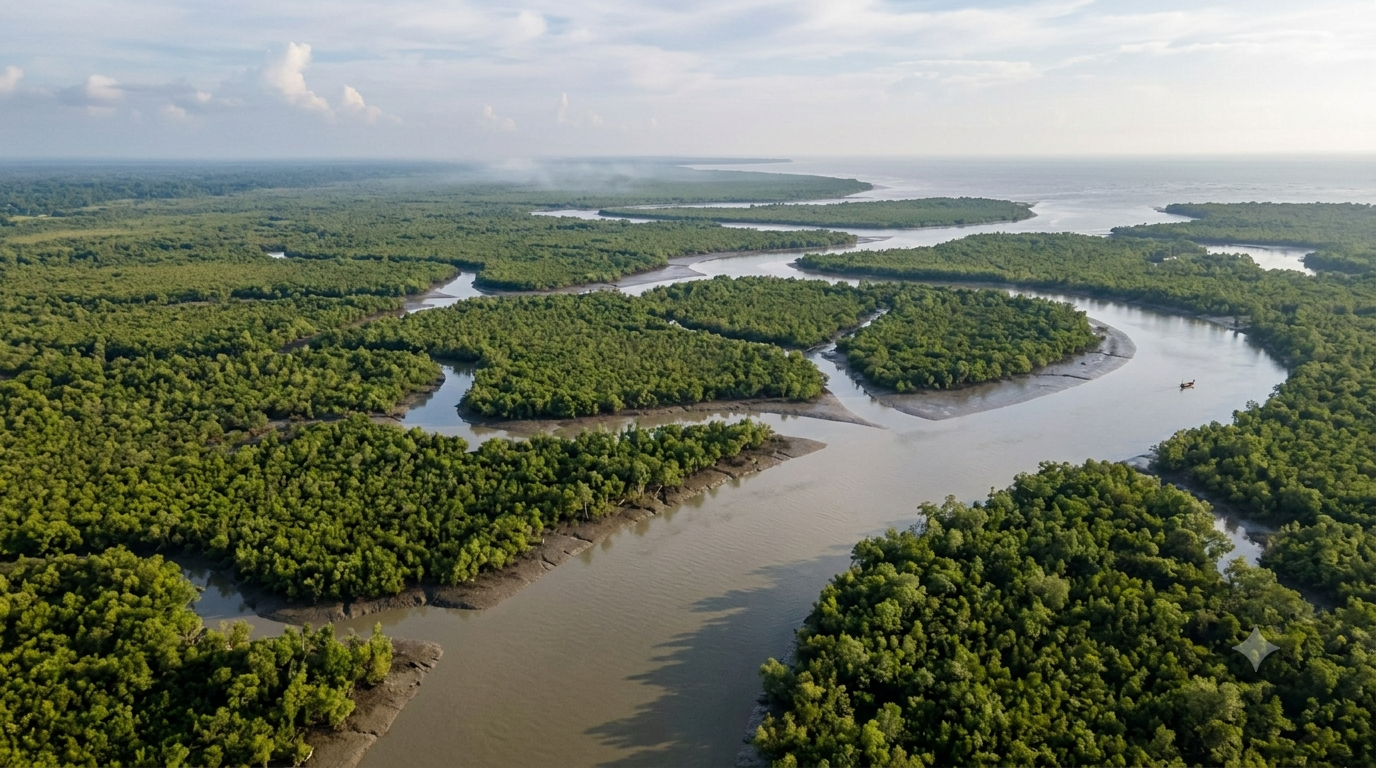
Along the windswept coastline of Tamil Nadu, ancient temples rise from granite rock, sculpted centuries ago by artisans whose work still survives against the force of the Bay of Bengal. For travelers interested in authentic Mahabalipuram heritage travel, this coastal town offers a rare opportunity to experience living history in an extraordinary setting.
What makes Mahabalipuram unique is not just its monuments, but the way heritage, craftsmanship, spirituality, and everyday life continue to coexist within the same landscape.
Why Mahabalipuram Heritage Travel Is Unlike Any Other Journey
Many heritage destinations are defined by a single monument. Mahabalipuram tells a larger story.
Once a thriving seaport of the Pallava dynasty, the town became an important center of art, architecture, and maritime trade. Today, visitors can explore temples carved directly into granite outcrops, intricate bas-reliefs, ancient cave sanctuaries, and one of India’s most iconic coastal temples.
For travelers seeking meaningful cultural experiences, Mahabalipuram offers far more than sightseeing. It offers a journey into the artistic legacy of South India.
Mid-Article CTA
Planning to explore India’s most fascinating heritage destinations? Discover immersive travel stories and curated journeys at BlueJayExplorations.com.
The Timeless Beauty of the Shore Temple
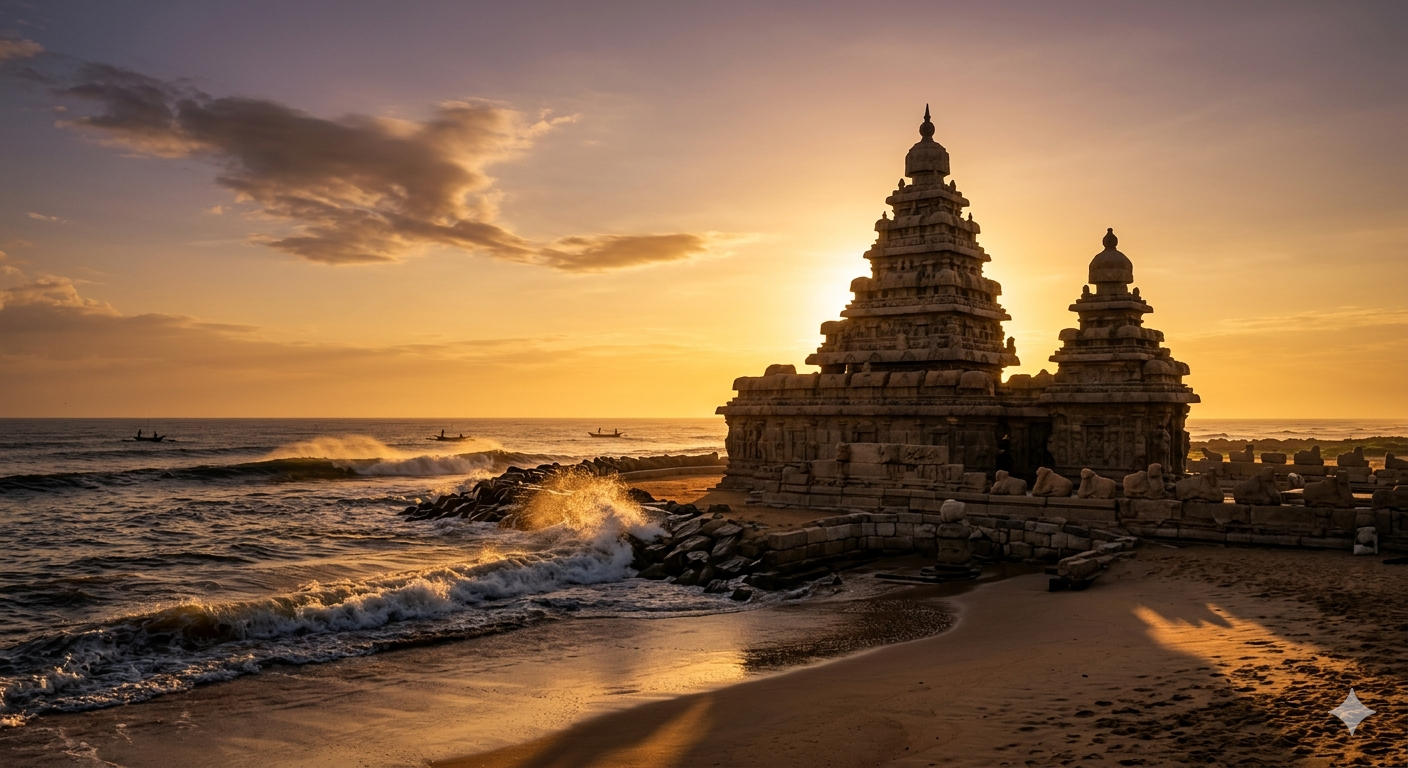
Standing beside the crashing waves of the Bay of Bengal, the Shore Temple remains the most recognizable symbol of Mahabalipuram.
Built during the 8th century, this remarkable structure has witnessed centuries of monsoons, cyclones, and changing empires. Despite the relentless sea winds, its elegant silhouette continues to inspire visitors from around the world.
As one of the most significant monuments within the UNESCO World Heritage Site, the Shore Temple reflects the architectural brilliance of the Pallava dynasty and remains one of the highlights of Mahabalipuram heritage travel.
Exploring the Rock-Cut Wonders of Mahabalipuram
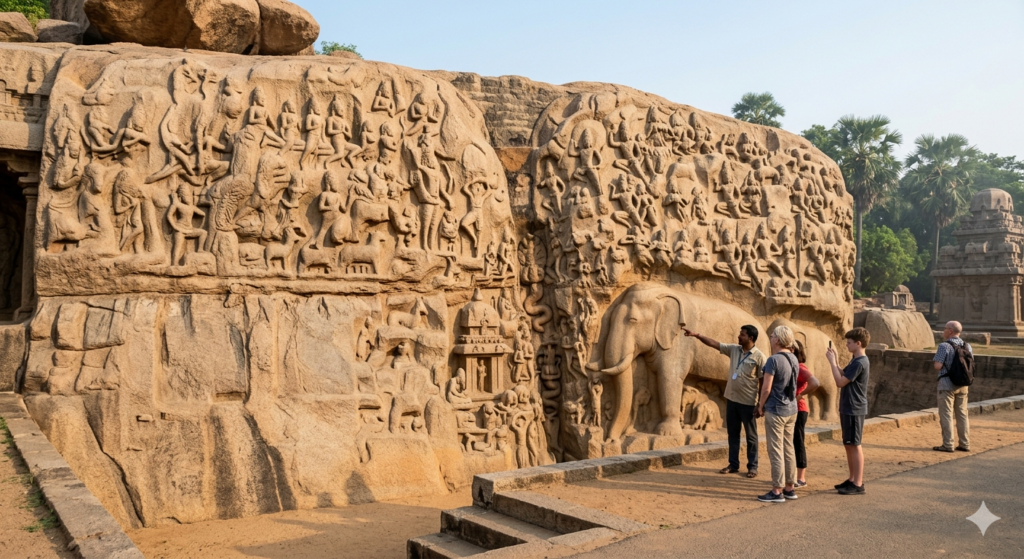
Beyond the Shore Temple lies a remarkable collection of monuments that showcase the creativity of ancient Indian artisans.
Arjuna’s Penance
One of the world’s largest open-air rock reliefs, this enormous granite carving depicts scenes from Hindu mythology, celestial beings, animals, and ascetics in extraordinary detail.
The Five Rathas
Carved from single granite formations, these monolithic structures resemble temple chariots and demonstrate different architectural styles that influenced South Indian temple construction for centuries.
Cave Temples
Scattered throughout the town, these rock-cut sanctuaries offer a glimpse into early Pallava artistic traditions and religious life.
Experiencing Local Culture Beyond the Monuments
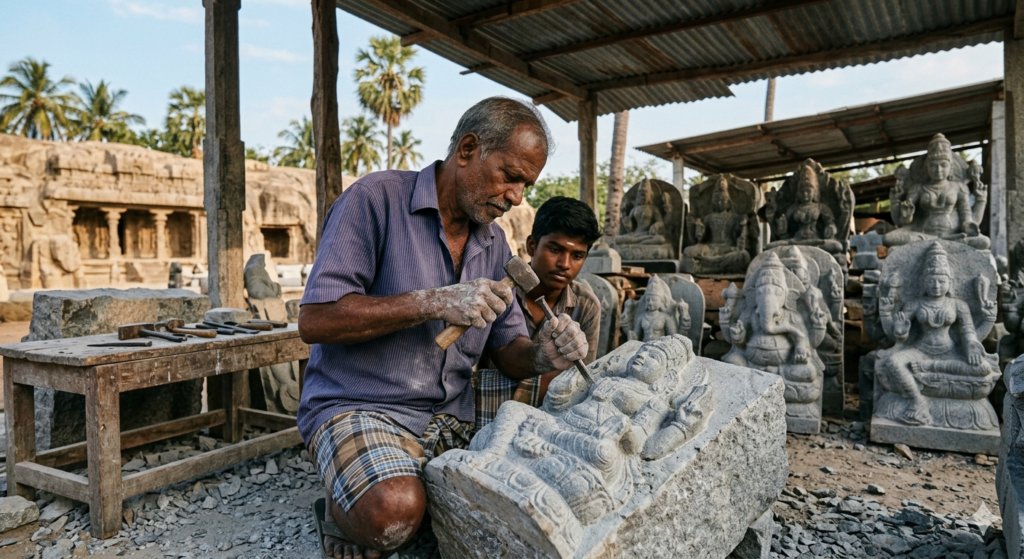
While the monuments attract global attention, Mahabalipuram’s living culture adds another layer to the experience.
Traditional stone sculptors continue to practice their craft here, producing intricate carvings using techniques passed down through generations. Walking through local workshops offers insight into an artistic tradition that has survived for over a thousand years.
Visitors can also enjoy Tamil cuisine, coastal landscapes, and vibrant local markets that reflect the town’s enduring cultural identity.
Best Time to Visit Mahabalipuram
October to February
The most pleasant season for exploration, with comfortable temperatures and ideal conditions for walking among the monuments.
Monsoon Season (June to September)
The coastal landscape becomes greener and more atmospheric, while the dramatic skies add character to the ancient temples.
Summer (March to May)
Temperatures can be high, making early morning and evening visits preferable.
Travel Tips for Heritage Enthusiasts
Arrive Early
The monuments are most enjoyable before crowds arrive.
Explore on Foot
Many attractions are located within walking distance of each other.
Visit Local Sculpture Workshops
These workshops provide a deeper understanding of the artistic traditions that shaped Mahabalipuram’s monuments.
Carry Sun Protection
The coastal climate can be intense, particularly during midday.
Final Thoughts
Few destinations blend history, architecture, spirituality, and coastal beauty as seamlessly as Mahabalipuram.
For travelers interested in Mahabalipuram heritage travel, the experience extends far beyond ancient stones and archaeological sites. It is a journey through centuries of artistic achievement, cultural continuity, and human creativity.
As the waves continue to break against the ancient Shore Temple, Mahabalipuram remains one of India’s most remarkable reminders that great civilizations leave behind more than monuments—they leave behind stories waiting to be discovered.
Continue Exploring India Beyond the Ordinary
Inspired by India’s heritage destinations?
Explore more travel stories, destination experiences, and cultural journeys across India at BlueJayExplorations.com and continue your journey beyond the guidebooks.
🌍 Explore More: BlueJay Explorations Official Website
📸 Follow the journey: @bluejayexplorations
🎥 Watch cinematic travel stories: @BlueJayExplorationsOfficial
UNESCO heritage destinations in India → Hampi article
spiritual journeys across India → Varanasi article
seasonal travel experiences → Munnar article