Valley of Flowers Trek: Discovering Uttarakhand’s Monsoon Paradise
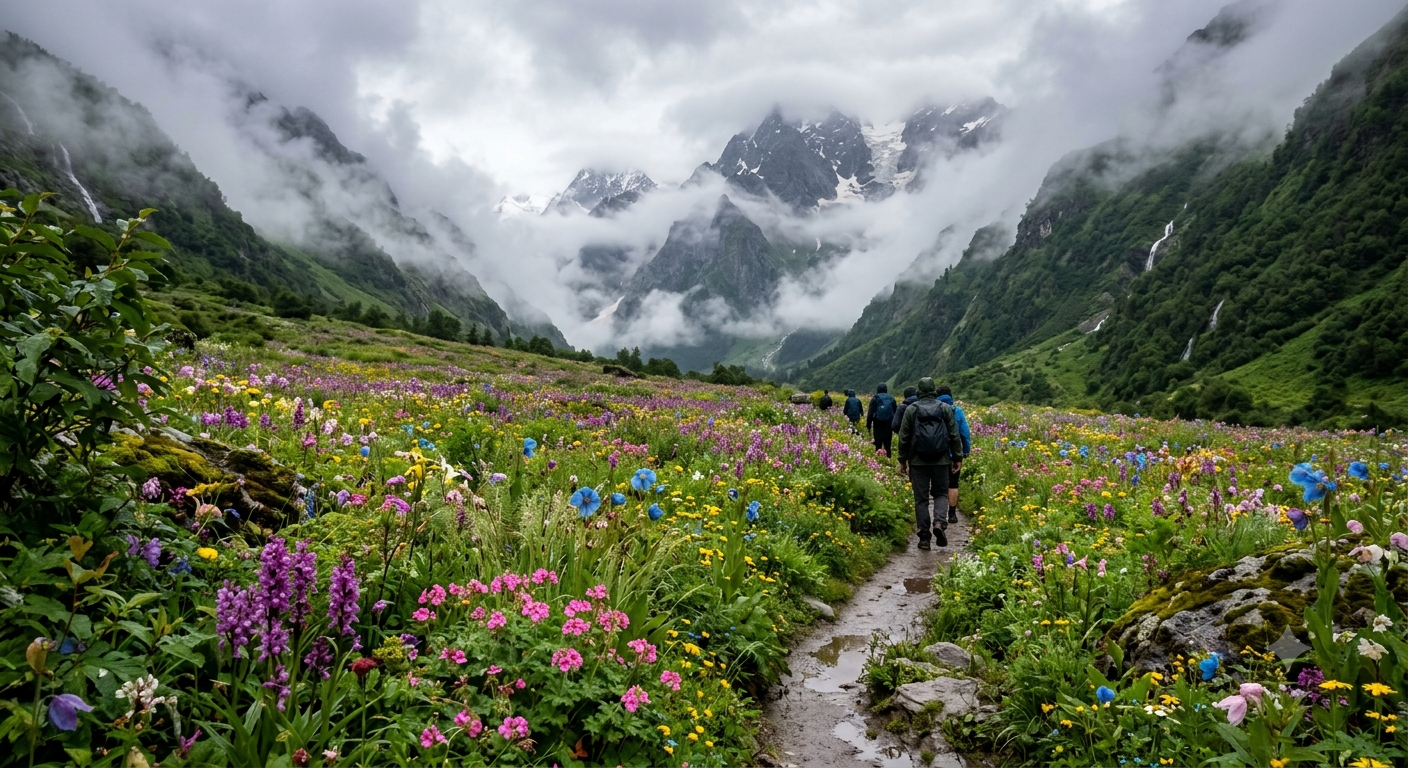
Every monsoon, high in the Garhwal Himalayas, an extraordinary transformation takes place. Snow melts, clouds descend into the valleys, and thousands of wildflowers begin to bloom across alpine meadows.
The Valley of Flowers trek is not merely a mountain trail—it is one of India’s most spectacular seasonal journeys, where nature creates a landscape that exists for only a few months each year.
Located in Uttarakhand’s Chamoli district, this UNESCO World Heritage site attracts trekkers, photographers, botanists, and nature lovers from around the world.
Why the Valley of Flowers Trek Is Special
Unlike many Himalayan destinations that are known for snow or adventure, the Valley of Flowers National Park comes alive during the monsoon season.
Between July and September, the valley transforms into a carpet of:
- Blue poppies
- Himalayan orchids
- Primulas
- Marigolds
- Cobra lilies
- Anemones
The surrounding peaks, waterfalls, and mist-covered mountains make every step unforgettable.
The Journey Begins at Govindghat
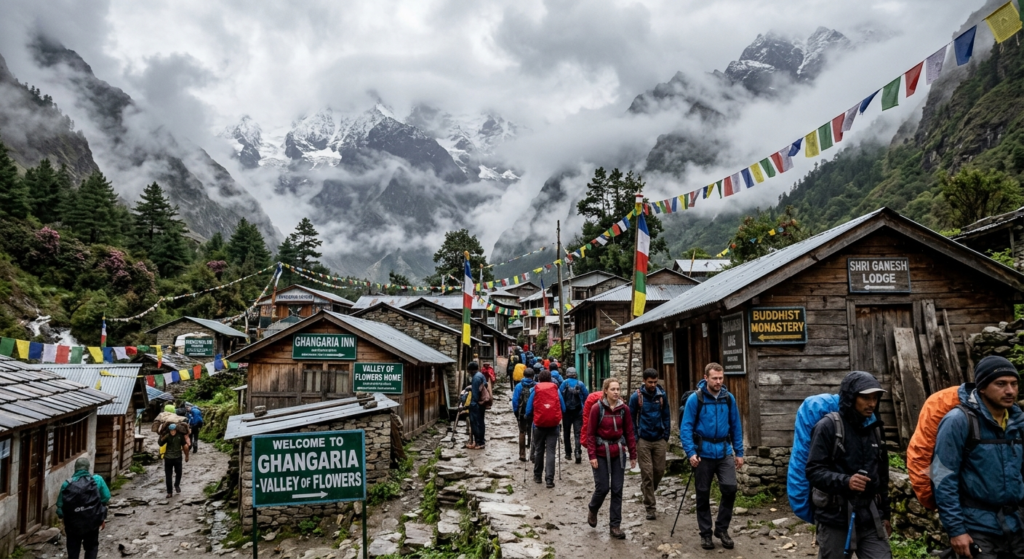
The trek starts from Govindghat, a small settlement along the Alaknanda River.
From here, travelers reach Ghangaria, the base village for both:
- Valley of Flowers
- Hemkund Sahib
The route passes:
- River bridges
- Pine forests
- Mountain streams
- Waterfalls
- Traditional Himalayan villages
The journey itself becomes part of the experience.
Walking Through the Valley
Entering the valley feels almost unreal.
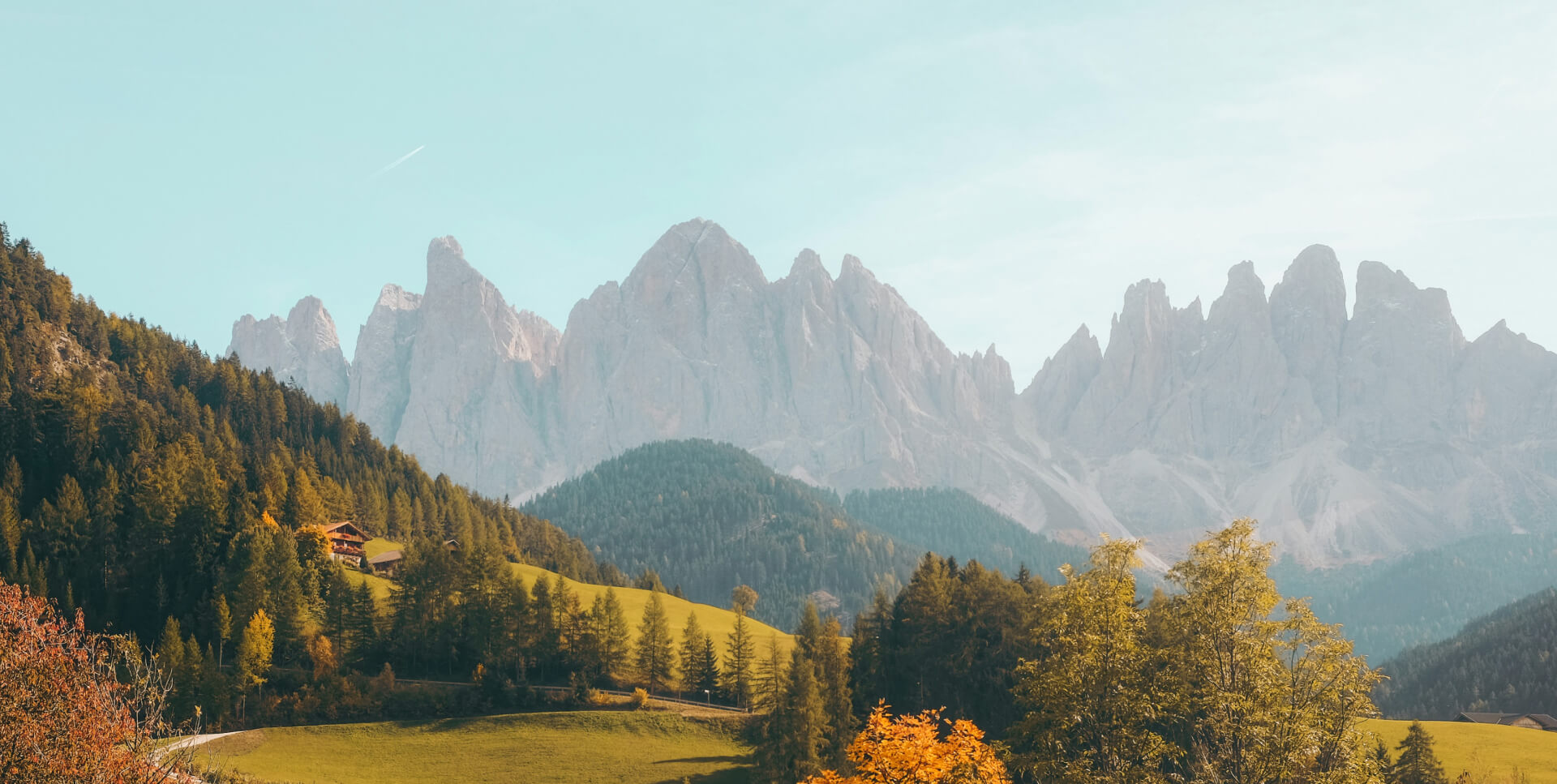
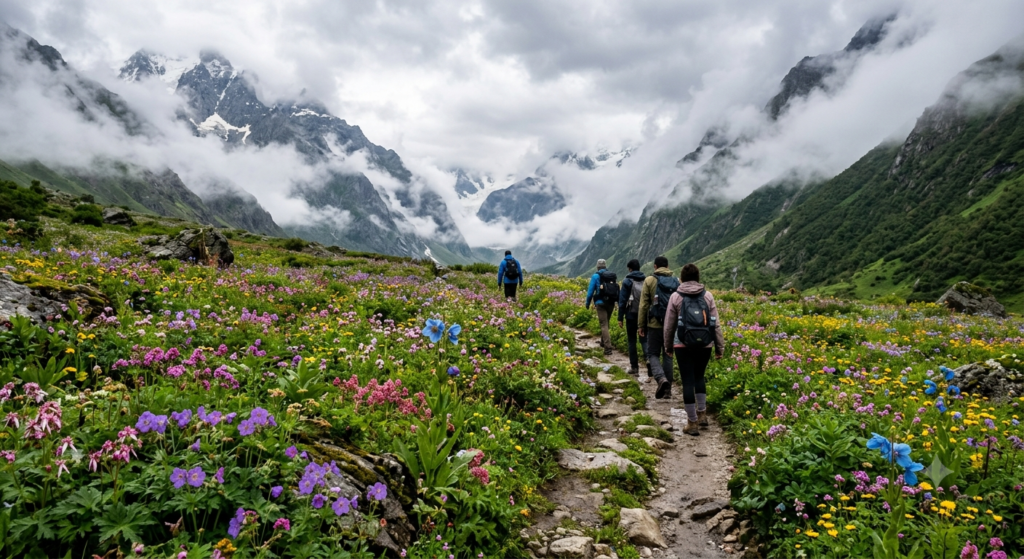
The narrow trail opens into vast meadows filled with colorful flowers stretching toward distant snow-covered peaks.
Clouds drift slowly across the mountains while streams cut through the landscape.
Every hour brings different colors, changing weather, and new views.
Unlike crowded hill stations, the valley offers silence and connection with nature.
Best Time to Visit Valley of Flowers
Best Time for the Valley of Flowers Trek
The valley is accessible from June to October.
However, the peak blooming season occurs between:
- Mid-July
- August
- Early September
During this period, the entire valley is covered with flowers.
Travelers should expect:
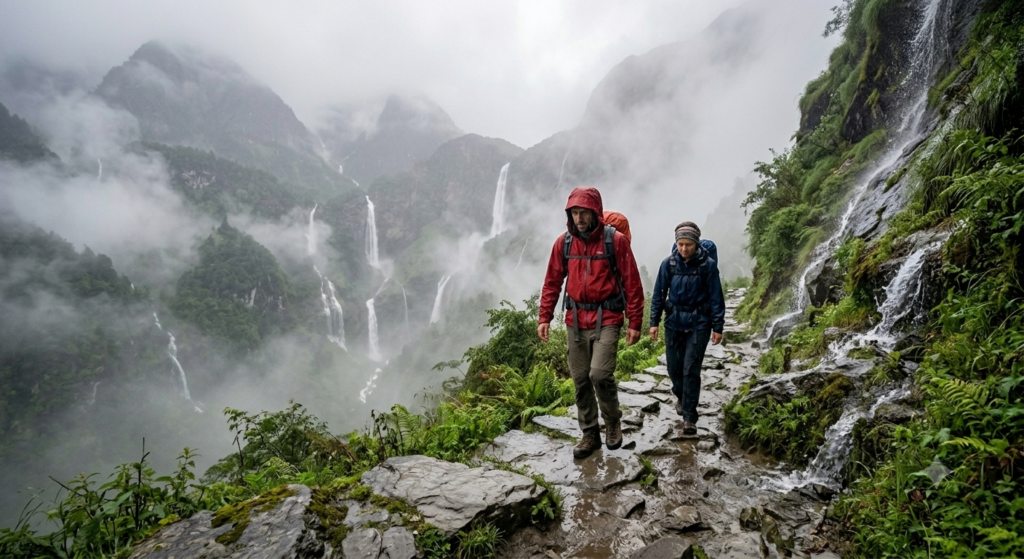
- Rainfall
- Cool temperatures
- Misty weather
- Slippery trails
Monsoon gear becomes essential.
Wildlife and Biodiversity
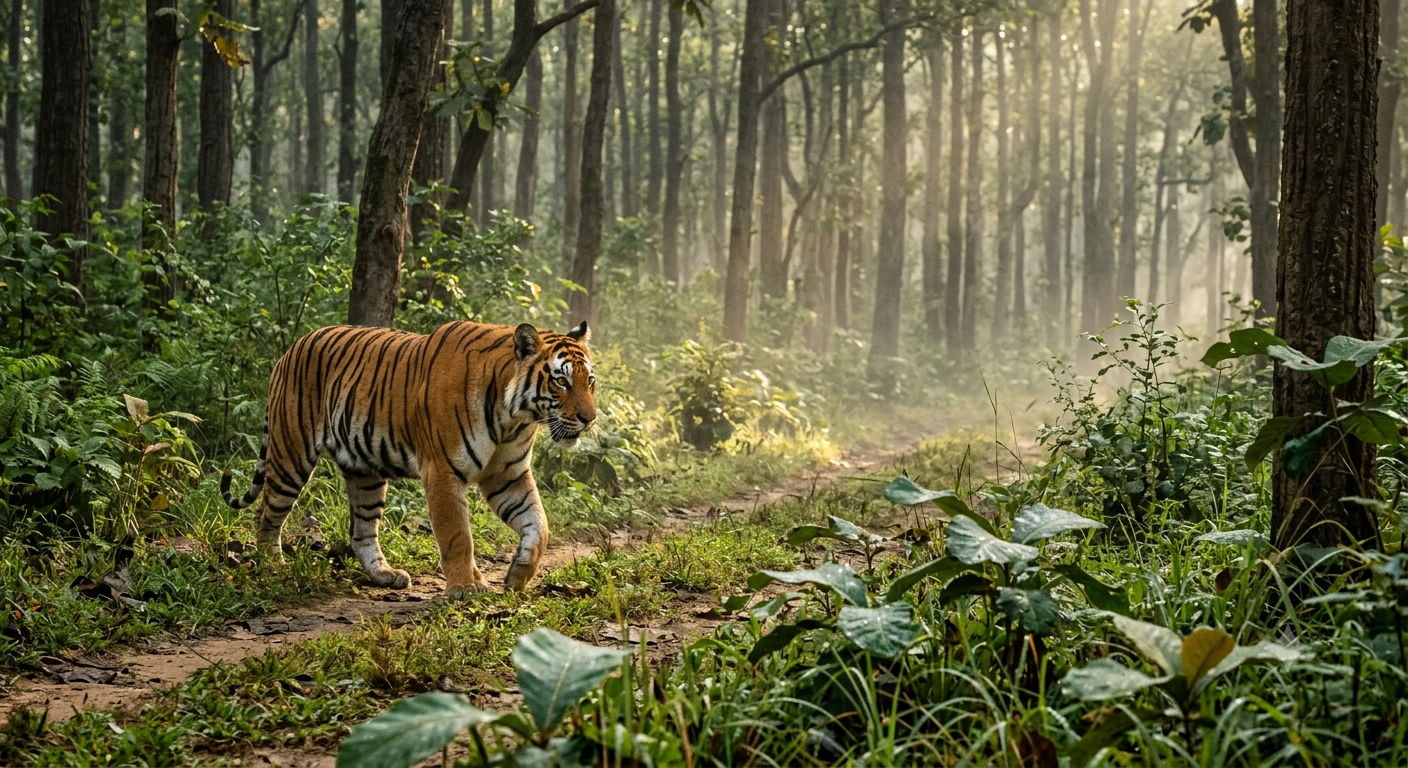
The national park is home to:
- Himalayan black bear
- Blue sheep
- Musk deer
- Himalayan monal
- Snow leopard (rarely seen)
The valley contains more than 500 species of alpine flowers and numerous medicinal plants.
This incredible biodiversity makes it one of India’s most important ecological regions.
Hemkund Sahib: A Spiritual Extension
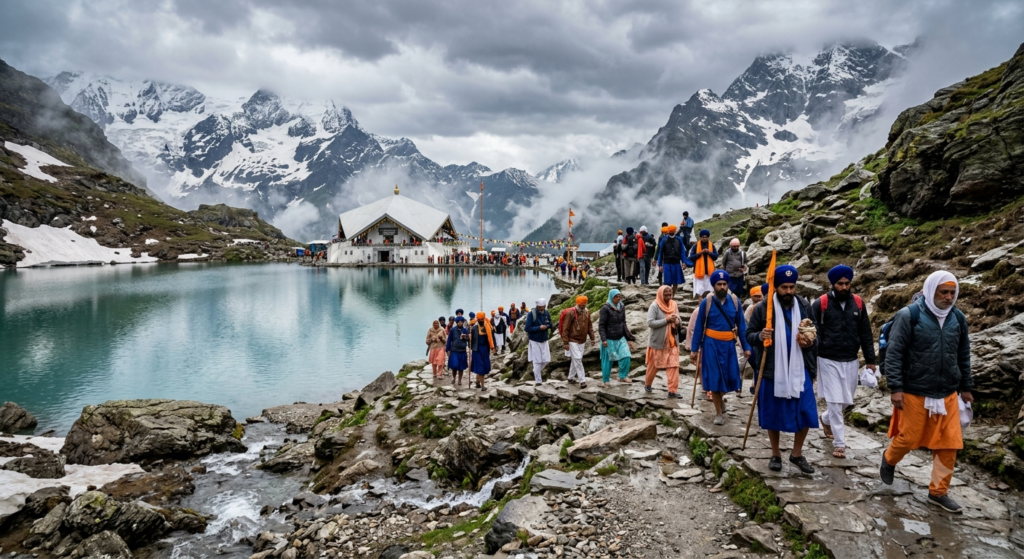
Many travelers combine the Valley of Flowers trek with a visit to Hemkund Sahib.
Located at over 4,300 meters above sea level, the sacred Sikh pilgrimage site sits beside a pristine glacial lake.
The steep climb offers:
- Panoramic mountain views
- Spiritual significance
- High-altitude landscapes
Together, the valley and Hemkund create a perfect blend of nature and spirituality.
Responsible Travel in the Himalayas
The valley is an environmentally sensitive ecosystem.
Visitors should:
- Carry reusable water bottles.
- Avoid plastic waste.
- Stay on designated trails.
- Respect local communities.
- Avoid disturbing wildlife.
Responsible travel ensures that future generations can experience this seasonal wonder.
Travel Tips for the Valley of Flowers Trek
Essential Tips
- Carry rain jackets and waterproof shoes.
- Start trekking early in the morning.
- Stay overnight in Ghangaria.
- Carry cash as ATMs are limited.
- Pack warm clothing even during monsoon.
- Book accommodations in advance during peak season.
Why Every Traveler Should Experience It
The Valley of Flowers trek reminds us that some of nature’s greatest wonders exist only for a brief moment each year.
For a few months, the Himalayan landscape bursts into life before returning to snow and silence.
It is a journey that rewards patience, respect for nature, and a willingness to travel with the seasons.
In a country filled with famous destinations, the Valley of Flowers remains one of India’s most magical seasonal experiences.
Internal Links
Within the article, link:
- Ziro Valley Travel Guide
- Munnar Monsoon Travel Guide
- Spiritual journeys to Hemkund Sahib
- Wildlife experiences in the Himalayas
- Travel Planning page
Explore More
🌍 Official Website: BlueJay Explorations
📸 Follow the journey on Instagram @BlueJay Explorations
👍 Follow us on Facebook @BlueJay Explorations
🎥 Watch cinematic travel stories on YouTube @BlueJay Explorations Official